

Operation Process and Working Principle of Powder Coating Pneumatic Conveying Systems
Efficient and reliable powder coating material handling is crucial for modern manufacturing processes, especially in industries that require precise and consistent application of powder coatings. The pneumatic conveying system for powder coatings represents a sophisticated solution that ensures the safe and effective transport of these materials from storage to processing units. This article delves into the operation process and working principle of such systems, highlighting the key components, operational steps, and the technological advancements that make them indispensable in contemporary production lines. The expertise of Shandong HeadPowder Engineering Co., Ltd., commonly known as headpowder, is at the forefront of developing and implementing these advanced systems, ensuring optimal performance and reliability for clients across various industries.

Key Components of a Powder Coating Pneumatic Conveying System
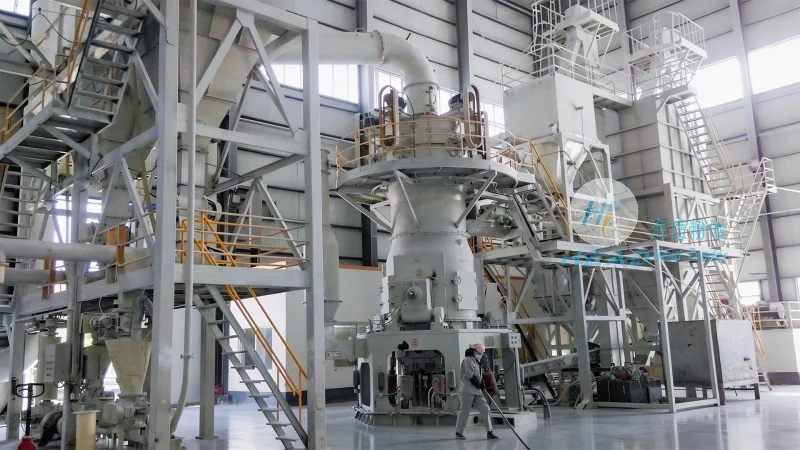
The core of any powder coating pneumatic conveying system consists of several critical components that work in tandem to achieve seamless material transport. These components include the powder storage silo or hopper, which serves as the initial holding unit for the powder coating material. The silo is typically equipped with a discharge valve or feeder that controls the flow of powder into the system. A blower or air compressor provides the necessary air pressure to generate the conveying air stream, which is essential for moving the powder particles through the system. The pipeline network, made of materials resistant to the abrasive nature of powder coatings, connects the various components and facilitates the flow of both powder and air. Additionally, a filter system is integrated to capture any powder particles that may escape into the air, ensuring environmental compliance and maintaining system efficiency. The system may also include a receiver or collection hopper at the destination point, where the powder is deposited for further processing or use.
Working Principle of the Pneumatic Conveying Process
The working principle of a powder coating pneumatic conveying system is based on the fundamental concept of air movement to transport solid particles. The process begins with the activation of the blower, which generates a high-pressure air stream. This air is then introduced into the pipeline, creating a flow that can carry the powder particles. The powder is introduced into the system at the discharge point, often through a venturi or a rotary valve, which ensures a consistent and controlled feed rate. As the air stream moves through the pipeline, it entrains the powder particles, forming a mixture of air and powder known as a "slurry" or "conveying stream." The velocity of the air is carefully controlled to maintain the powder in a suspended state, preventing clogging or blockages in the system. The conveying stream travels through the pipeline network, which may include bends, elbows, and other fittings, all designed to minimize pressure loss and maintain the flow. At the receiving end, the air stream is separated from the powder, often through a cyclone or a bag filter, and the powder is collected in the receiver. The air, now clean, is either recirculated back to the blower or discharged to the atmosphere, depending on the system design and environmental regulations.

Operation Process: Step-by-Step Guide
The operation process of a powder coating pneumatic conveying system involves a series of sequential steps that ensure the smooth and efficient transport of powder coating materials. The first step is the preparation phase, where the system is checked for any blockages or leaks in the pipeline and the blower is started to establish the air pressure. Once the air pressure is stable, the powder is introduced into the system from the storage silo. The feed rate is controlled by adjusting the discharge valve or feeder, ensuring that the air velocity remains sufficient to keep the powder suspended. The system is then monitored for pressure and flow rates, with adjustments made as needed to maintain optimal performance. During operation, the filter system is continuously checked to ensure it is not clogged, as a clogged filter can lead to a drop in system efficiency and potential system failure. The receiving hopper is monitored for the level of powder, and when it reaches a certain level, the system may be stopped or the feed rate adjusted to prevent overfilling. The entire process is designed to be automated to a large extent, with sensors and control systems that regulate the flow of air and powder, ensuring consistent and reliable operation. Regular maintenance is also a critical part of the operation process, including cleaning the filter, checking the blower performance, and inspecting the pipeline for any signs of wear or damage.

Advantages of Powder Coating Pneumatic Conveying Systems
Pneumatic conveying systems for powder coatings offer several advantages over traditional material handling methods, such as bucket elevators or belt conveyors. One of the primary advantages is the ability to transport powder in a closed system, which minimizes dust emissions and improves environmental safety. This is particularly important in powder coating applications, where dust can be a health hazard and can affect the quality of the coating. The closed system also helps to maintain the quality of the powder coating material, preventing contamination from external sources. Another advantage is the flexibility of the system, as it can be easily expanded or modified to accommodate changes in production volume or to add new processing units. The system is also relatively compact, requiring less floor space compared to other material handling solutions. Additionally, the pneumatic conveying system can handle a wide range of powder coating materials, including different particle sizes and densities, making it a versatile solution for various manufacturing applications. The system's efficiency in terms of energy consumption and material transport is also a significant advantage, as it can reduce labor costs and improve overall production throughput.
Applications and Industries
Powder coating pneumatic conveying systems are widely used in various industries that require the application of powder coatings. These include the automotive industry, where they are used to transport powder coatings for car bodies and components. The electronics industry also utilizes these systems for coating electronic components, such as circuit boards and connectors. The furniture industry uses them to apply powder coatings to wooden furniture and other products. Additionally, the metalworking industry uses pneumatic conveying systems to transport powder coatings for metal parts and components. The system's ability to handle different powder types and its flexibility make it suitable for a wide range of applications, from small-scale production to large-scale manufacturing.
Conclusion
In conclusion, the operation process and working principle of powder coating pneumatic conveying systems are critical to the efficient and reliable handling of powder coating materials in modern manufacturing. The system's components, working principle, and operation process are designed to ensure the safe and effective transport of powder coatings, while minimizing dust emissions and maintaining material quality. The advantages of these systems, including their closed system design, flexibility, and efficiency, make them an indispensable part of contemporary production lines. As manufacturing processes continue to evolve, the importance of such systems will only increase, as they provide a reliable and sustainable solution for powder coating material handling.