

Operation Process and Working Principle of Gas-Pneumatic Transport of Adipic Acid
Gas-pneumatic transport is a vital technology in the chemical processing industry, especially for the handling of bulk materials like adipic acid. This method utilizes a combination of air flow and mechanical force to move the material through a pipeline system, offering an efficient and reliable solution for transporting large quantities of adipic acid over extended distances. Shandong HeadPowder Engineering Co., Ltd. specializes in the design, installation, and maintenance of such systems, ensuring optimal performance tailored to industrial requirements.
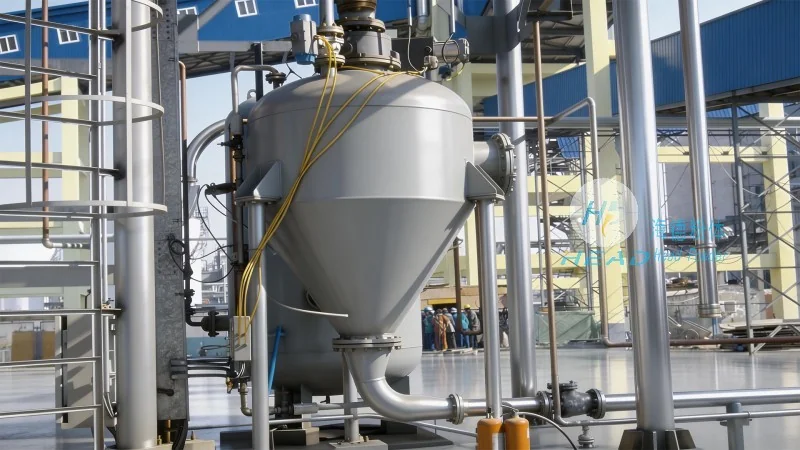
Working Principle of the Gas-Pneumatic Transport System
The fundamental principle of gas-pneumatic transport involves creating a controlled air stream that propels adipic acid particles through the pipeline. The system typically comprises a feeding hopper, a pneumatic conveyor, and a discharge unit. Adipic acid is first stored in the hopper and then introduced into the conveyor. A blower or compressor generates the necessary air pressure and volume, which is introduced into the conveyor to lift and move the material. The velocity and pressure of the air are carefully regulated to prevent material degradation and maintain product integrity. This method is particularly effective for fine or powdery adipic acid, as it minimizes dust generation and ensures smooth transport without compromising the material's quality.

Key Components and Their Functions in the Transport Process
Several critical components work in concert to ensure the efficient operation of the gas-pneumatic transport system. The feeding hopper serves to store and meter the adipic acid, providing a consistent flow into the conveyor. The blower or compressor is responsible for generating the required air pressure and volume, which is essential for maintaining the transport velocity. The pipeline system, constructed from materials resistant to adipic acid corrosion, ensures the material is transported without contamination or degradation. The discharge unit, such as a rotary valve or a dust collector, collects the transported adipic acid and directs it to the subsequent processing stage. Each component is designed to operate in harmony, optimizing overall transport efficiency and minimizing operational downtime.

Operation Process of the Gas-Pneumatic Transport System
The operation process of the gas-pneumatic transport system involves sequential steps that ensure smooth and continuous material movement. First, adipic acid is loaded into the feeding hopper. The hopper then releases the material into the pneumatic conveyor at a controlled rate. Simultaneously, the blower generates the required air flow, which is introduced into the conveyor to lift and move the particles. The system is equipped with sensors and controls that monitor pressure, flow rate, and material level, ensuring the process runs smoothly and efficiently. At the discharge end, the adipic acid is collected and transferred to the next stage of production. The entire process is automated, reducing the need for manual intervention and enhancing operational safety. Shandong HeadPowder Engineering Co., Ltd. ensures that each step of the operation is optimized for maximum efficiency and minimal energy consumption.
Advantages of Gas-Pneumatic Transport for Adipic Acid
Gas-pneumatic transport offers several advantages over traditional methods for handling adipic acid. One primary benefit is the ability to transport large quantities of material over long distances with minimal infrastructure investment. The system is also flexible, allowing for adjustments in transport volume and route without significant modifications. Additionally, the method reduces the risk of product contamination and dust exposure, which is crucial for maintaining the quality of adipic acid. The energy efficiency of the system, combined with lower maintenance costs, makes it a cost-effective solution for industrial applications. Shandong HeadPowder Engineering Co., Ltd. leverages these advantages to provide customized gas-pneumatic transport solutions tailored to the specific needs of their clients.

Maintenance and Safety Considerations
Maintenance and safety are critical aspects of operating a gas-pneumatic transport system for adipic acid. Regular maintenance, including pipeline cleaning and replacement of worn components, is essential to prevent clogging and ensure consistent performance. The system is equipped with safety features such as pressure relief valves and emergency shut-off mechanisms to protect against over-pressurization and other hazards. Shandong HeadPowder Engineering Co., Ltd. provides comprehensive maintenance services, including routine inspections and repairs, to ensure the system operates safely and efficiently. Proper training of operators on safety protocols is also a key part of maintaining a safe working environment. By adhering to strict maintenance and safety standards, the company ensures the long-term reliability and performance of the gas-pneumatic transport systems.