

Operation Process and Working Principle of Oat Flour Pneumatic Conveying
For industries dealing with bulk materials like oat flour, efficient and reliable material handling is crucial. Pneumatic conveying systems offer a solution that minimizes contamination, reduces labor costs, and enhances operational safety. This article explores the operation process and working principle of pneumatic conveying systems specifically designed for oat flour, highlighting the key components, operational steps, and technical considerations that ensure optimal performance.
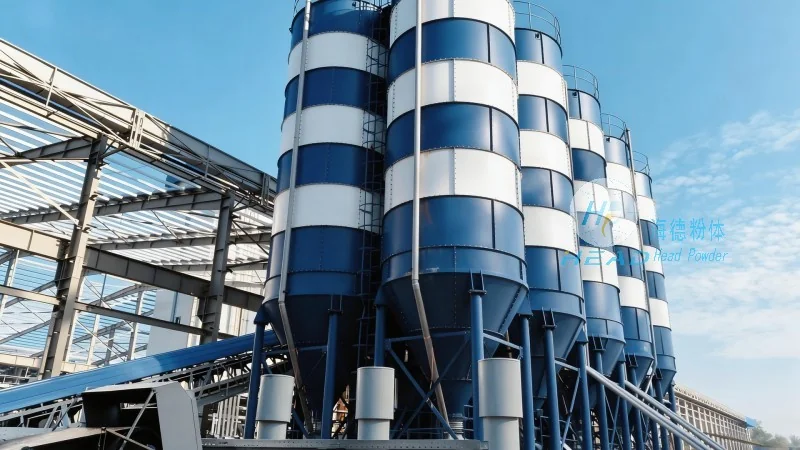
Understanding Pneumatic Conveying Systems for Oat Flour
Pneumatic conveying systems use air or gas to transport bulk materials through a pipeline. For oat flour, which is a fine powder with specific flow characteristics, the system must be engineered to handle the material's density, moisture content, and potential for dust generation. The design of the system typically includes a hopper, a conveyor line, and a receiver, all connected by a network of pipes. The system operates by creating a pressure differential that propels the oat flour through the pipeline using compressed air or vacuum.
Key Components of Oat Flour Pneumatic Conveying Systems
The core components of an oat flour pneumatic conveying system include the material hopper, which stores the oat flour and provides a consistent feed to the system; the air compressor or vacuum pump, which generates the necessary pressure or suction to move the material; the conveyor line, which consists of metal pipes with appropriate diameters and bends to accommodate the flow of oat flour; and the receiver, which collects the conveyed oat flour at the destination point. Additional components may include filters to remove dust from the air, valves to control the flow rate, and sensors to monitor system performance.

Operation Process of Oat Flour Pneumatic Conveying
The operation process of an oat flour pneumatic conveying system involves several sequential steps that ensure smooth and continuous material transport. Initially, oat flour is fed into the material hopper from a storage silo or batch container. The hopper is equipped with a feeder, such as a rotary valve or a screw feeder, which regulates the flow rate of the material into the conveyor line. Simultaneously, the air compressor starts operating, generating compressed air that is introduced into the conveyor line at the inlet. The compressed air creates a pressure differential, causing the oat flour to be drawn into the pipeline and transported to the receiver. The receiver is typically a storage tank or a processing unit where the oat flour is collected for further use. The system continues to operate as long as the hopper has material and the air compressor maintains the required pressure. During operation, the system may include a filter to capture any fine particles that escape from the hopper, preventing dust contamination in the surrounding environment. The entire process is automated, with sensors monitoring the flow rate and pressure, ensuring that any deviations are immediately detected and corrected.

Working Principle of Oat Flour Pneumatic Conveying
The working principle of pneumatic conveying for oat flour is based on the fundamental physics of fluid dynamics and particle movement. When compressed air is introduced into the conveyor line, it creates a high-velocity flow that entrains the oat flour particles. The air flow velocity must be sufficient to overcome the gravitational force acting on the particles and any frictional resistance within the pipeline. The system can operate in either pressure or vacuum mode. In pressure mode, the air compressor supplies compressed air to the inlet of the conveyor line, pushing the oat flour forward. In vacuum mode, a vacuum pump creates a low-pressure environment at the receiver, drawing the oat flour from the hopper through the pipeline. The choice between pressure and vacuum depends on the distance to be covered, the material characteristics, and the system design. For oat flour, which is a fine powder, pressure conveying is often preferred as it provides better control over the flow and reduces the risk of blockages. The system's efficiency is determined by factors such as the air-to-material ratio, the pipe diameter, and the length of the conveyor line. Proper design ensures that the air flow is sufficient to maintain the material in suspension, preventing settling or clogging in the pipeline.

Benefits of Using Pneumatic Conveying for Oat Flour Handling
Implementing a pneumatic conveying system for oat flour offers several advantages over traditional methods like bucket elevators or belt conveyors. First, it eliminates the need for physical contact between the material and the conveyor components, reducing the risk of contamination from metal or other materials. This is particularly important for food-grade products like oat flour, where hygiene is a top priority. Second, pneumatic conveying systems are more compact and can be installed in confined spaces, making them suitable for facilities with limited floor space. Third, the system operates quietly compared to mechanical conveyors, reducing noise pollution in the workplace. Fourth, it minimizes labor costs as the process is fully automated, with minimal human intervention required. Finally, the system provides better control over the flow rate and pressure, allowing for precise delivery of oat flour to the processing units or storage areas.
About Shandong HeadPowder Engineering Co., Ltd.
Shandong HeadPowder Engineering Co., Ltd., operating under the brand name headpowder, is a leading manufacturer and supplier of pneumatic conveying systems for bulk materials. With a focus on innovation and quality, the company specializes in designing and manufacturing customized solutions for industries such as food processing, pharmaceuticals, and chemicals. Headpowder's expertise lies in understanding the unique characteristics of different materials, including oat flour, and tailoring the conveying systems to meet specific operational requirements. The company's facilities are located in Shandong, China, where it leverages advanced technology and skilled workforce to deliver high-performance pneumatic conveying systems. Headpowder is committed to providing reliable, efficient, and cost-effective solutions that enhance the productivity and safety of its clients' operations. By combining years of industry experience with cutting-edge engineering, Headpowder ensures that its pneumatic conveying systems meet the highest standards of performance and durability.