

Principle and Working Scene Characteristics of Ammonium Sulfate Material Pneumatic Conveying System
Ammonium sulfate is a widely used chemical fertilizer and industrial raw material, often requiring efficient and reliable transportation methods for processing and distribution. The pneumatic conveying system, as an advanced material handling technology, offers a solution that integrates the principles of fluid dynamics and mechanical engineering to transport bulk materials like ammonium sulfate through a pipeline network. This article explores the fundamental principles behind such systems and highlights the key characteristics of their operational scenarios, with a focus on the applications and benefits tailored to the handling of ammonium sulfate.

Company Overview: Shandong HeadPowder Engineering Co., Ltd.
HeadPowder, a leading engineering firm based in Shandong, China, specializes in the design, manufacturing, and installation of advanced material handling systems. With a strong commitment to innovation and customer satisfaction, the company has established itself as a trusted partner in the chemical and fertilizer industries. HeadPowder's expertise in pneumatic conveying technology is particularly relevant for applications involving ammonium sulfate, as the company's solutions are engineered to meet the specific challenges of handling this material, including its granular structure, moisture content, and handling requirements.

Principle of Pneumatic Conveying for Ammonium Sulfate
The core principle of a pneumatic conveying system for ammonium sulfate involves the use of compressed air or gas to create a flow that transports the material through a pipeline. This process typically operates on one of two main mechanisms: dilute-phase or dense-phase conveying. In dilute-phase systems, the material is suspended in the air stream and moves at high velocity, while in dense-phase systems, the material is conveyed in a more compacted form, often with lower air velocities. For ammonium sulfate, the choice between these systems depends on factors such as the material's flowability, the required distance of transport, and the need to minimize product degradation. The system typically includes components like a hopper for material storage, a feeder to control the flow rate, a pipeline network, and a receiver to collect the material at the destination. The compressed air is supplied by a blower or compressor, which generates the necessary pressure to move the material through the system. The design of the system must account for the physical properties of ammonium sulfate, such as its particle size distribution, density, and cohesive properties, to ensure efficient and reliable operation.

Working Scene Characteristics of Ammonium Sulfate Pneumatic Conveying
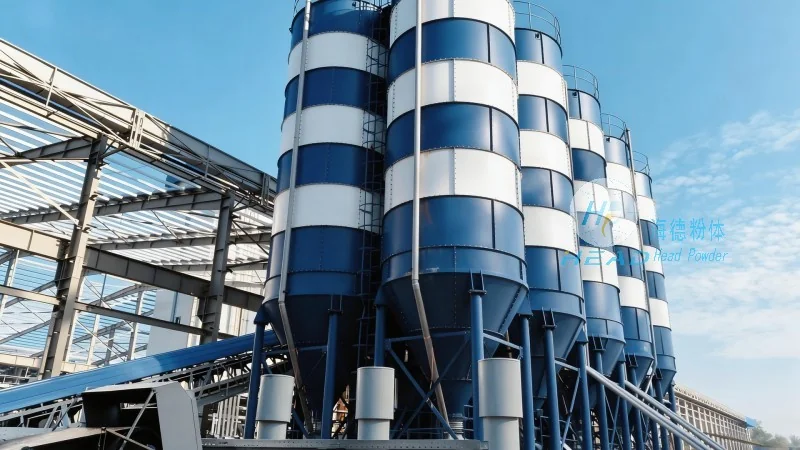
The operational characteristics of pneumatic conveying systems for ammonium sulfate are shaped by the specific demands of the application environment. These systems are commonly used in industrial settings where ammonium sulfate is produced, processed, or distributed, such as fertilizer manufacturing plants, chemical processing facilities, and bulk material handling operations. The key characteristics of these working scenes include the need for high throughput and consistent material flow, as well as the requirement to maintain product quality and prevent contamination. The systems are often integrated into larger production lines, where they connect different processing stages, such as from a storage silo to a mixing or packaging unit. The operational flexibility of the system allows for variable flow rates and the ability to transport material over long distances, making it suitable for both on-site and off-site applications. Additionally, the systems are designed to handle the potential challenges associated with ammonium sulfate, such as dust generation and the need for dust control measures, ensuring that the material is conveyed safely and efficiently. The working scene also includes considerations for maintenance and operational efficiency, with systems that are easy to clean and maintain to minimize downtime and ensure long-term reliability.
Benefits and Applications in Ammonium Sulfate Handling
Pneumatic conveying systems for ammonium sulfate offer several advantages over traditional handling methods, such as belt conveyors or bucket elevators. These benefits include reduced material degradation due to minimal contact with equipment, lower labor costs as the system operates automatically, and improved safety by eliminating the need for manual handling of bulk materials. The systems are particularly effective for applications that require the transport of ammonium sulfate over long distances or through complex layouts, such as from a production facility to a storage terminal or from a storage silo to a packaging line. The flexibility of the system allows for integration with other processing equipment, such as mixers, granulators, or dryers, to create a seamless material handling process. In addition, the systems can be customized to meet the specific requirements of different production scales, from small-scale laboratory applications to large-scale industrial operations. The use of pneumatic conveying technology in ammonium sulfate handling not only enhances operational efficiency but also contributes to environmental sustainability by reducing the need for manual handling and minimizing material loss during transport.
Conclusion and Future Perspectives
Ammonium sulfate pneumatic conveying systems, as described in this article, represent a sophisticated solution for the efficient and reliable handling of this important chemical material. The principles of fluid dynamics and mechanical engineering, combined with the expertise of companies like Shandong HeadPowder Engineering Co., Ltd., enable the design of systems that meet the specific needs of the ammonium sulfate industry. As the demand for efficient material handling continues to grow, the adoption of advanced pneumatic conveying systems will likely increase, particularly in applications where product quality and operational efficiency are critical. The future of ammonium sulfate handling will likely involve further integration of automation and control technologies to enhance system performance and reduce operational costs. By leveraging the principles and characteristics outlined in this article, industries can optimize their material handling processes and improve overall productivity in the handling of ammonium sulfate.