

Principle and Working Scene Characteristics of Fish Meal Material Pneumatic Conveying Systems
HeadPowder, a leading engineering firm based in Shandong, China, specializes in the design and implementation of advanced material handling solutions. This article delves into the principles and operational characteristics of pneumatic conveying systems specifically tailored for fish meal materials, highlighting their efficiency, reliability, and adaptability in various industrial settings.

Introduction to Fish Meal Pneumatic Conveying Systems
Fish meal, a critical byproduct in the aquaculture and animal feed industries, requires efficient and hygienic transport from processing facilities to storage or packaging areas. Traditional methods such as belt conveyors or manual handling often face challenges like material degradation, contamination, and high labor costs. Pneumatic conveying systems offer a superior alternative by utilizing air pressure to transport fish meal in a closed, controlled environment, ensuring product integrity and operational safety.
The Core Principle of Pneumatic Conveying
The fundamental principle of pneumatic conveying involves the use of compressed air to move bulk materials through a pipeline system. In the case of fish meal, the system typically operates under negative pressure (suction) or positive pressure (blowing) conditions. The negative pressure system draws the material from a hopper or storage bin into the pipeline using a vacuum created by a fan or blower, while the positive pressure system pushes the material through the pipeline using compressed air. Both methods ensure that the fish meal is transported without direct contact with external elements, minimizing the risk of moisture absorption or contamination.

Key Components and Their Functions
A typical fish meal pneumatic conveying system comprises several essential components, each playing a crucial role in the overall operation. These include:
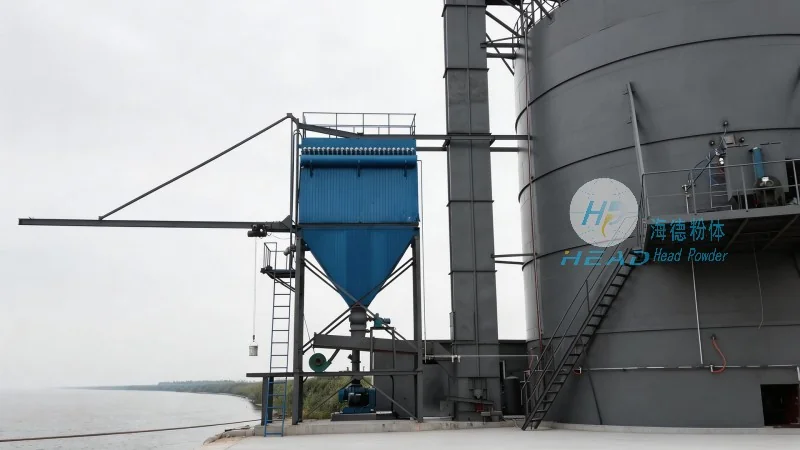
- Feeder: The feeder is responsible for controlling the flow rate of fish meal into the conveying line. It ensures a consistent and controlled feed, preventing blockages or uneven material flow that could disrupt the system.
- Conveying Line: The pipeline, usually made of stainless steel or other corrosion-resistant materials, serves as the main pathway for transporting the fish meal. The choice of material is critical to maintain hygiene and prevent contamination, as fish meal is sensitive to moisture and microbial growth.
- Fan or Blower: The fan or blower provides the necessary air pressure or vacuum to move the material through the pipeline. The selection of the right equipment depends on the material's properties, such as density and particle size, as well as the system's capacity and distance requirements.
- Separators: Separators are used to separate the air from the conveyed material at the end of the pipeline. This is essential for recycling the air and preventing material loss. In fish meal applications, cyclone separators or bag filters are commonly used to ensure efficient separation and maintain air quality.
- Control System: The control system monitors and regulates the operation of the conveying system, including the feeder speed, fan speed, and pressure levels. It ensures optimal performance and helps prevent system failures or inefficiencies.
Working Scene Characteristics and Applications
The working scene characteristics of fish meal pneumatic conveying systems are tailored to meet the specific demands of the fish meal processing industry. These systems are commonly used in:

- Processing Plants: In fish meal processing facilities, the system efficiently transports raw fish meal from the grinding and drying stages to the storage silos or packaging lines. This ensures a continuous and hygienic flow of material, reducing downtime and improving overall productivity.
- Storage and Handling: At storage facilities, pneumatic conveying systems are used to transfer fish meal from bulk storage tanks to smaller containers or trucks for distribution. The closed system maintains the product's quality and prevents environmental contamination.
- Packaging Lines: In packaging operations, the system delivers fish meal to the packaging machines, ensuring a consistent and controlled feed rate. This helps maintain product uniformity and reduces the risk of overfilling or underfilling.
Advantages of Pneumatic Conveying for Fish Meal
Compared to traditional conveying methods, pneumatic conveying systems offer several advantages that make them ideal for fish meal applications:
- Hygienic and Clean Operation: The closed system prevents contamination from external sources, ensuring that the fish meal remains clean and free from moisture or microbial growth.
- Efficient and Continuous Flow: The system allows for continuous material transport, reducing the need for manual handling and increasing overall production efficiency.
- Reduced Labor Costs: By automating the material handling process, the system minimizes the need for manual labor, leading to lower operational costs and improved safety.
- Space Efficiency: Pneumatic conveying systems can be installed in compact spaces, making them suitable for facilities with limited floor area.
- Flexibility and Adaptability: The system can be easily adjusted to handle different material types or flow rates, providing flexibility in various operational scenarios.
Conclusion
HeadPowder's expertise in designing and implementing fish meal pneumatic conveying systems ensures that industrial facilities can achieve efficient, hygienic, and cost-effective material handling solutions. By leveraging advanced engineering principles and tailored system components, these systems enhance productivity, maintain product quality, and contribute to the overall success of fish meal processing operations. For companies seeking reliable and innovative material handling solutions, pneumatic conveying systems represent a superior choice for their fish meal processing needs.