

Principles and Working Scene Characteristics of Malt Material Conveying Lines
Efficient and reliable malt material conveying systems are essential in the brewing industry, ensuring smooth material handling from storage to processing stages. This article explores the fundamental principles behind such systems and highlights key working scene characteristics that define their performance and application in modern breweries.

Introduction to Malt Material Conveying Lines
Malt material conveying lines are specialized equipment designed to transport malt grains and other related materials with precision and efficiency. These systems are integral to the brewing process, as they facilitate the movement of raw materials to processing units, such as malting, mashing, and fermentation. The design and operation of these lines are tailored to meet the specific demands of malt handling, ensuring minimal loss, contamination, and energy consumption.
The Core Principles of Malt Material Conveying Systems
The operation of malt material conveying lines is based on several key principles that ensure optimal performance. First, the systems utilize appropriate conveyor technologies, such as belt conveyors, screw conveyors, and pneumatic systems, to handle different types of malt materials. Each technology is selected based on the material's characteristics, including grain size, moisture content, and bulk density. For instance, belt conveyors are commonly used for transporting larger, dry malt grains due to their ability to handle heavy loads and maintain a consistent speed. Screw conveyors, on the other hand, are ideal for transporting moist or sticky malt materials, as they provide gentle handling and prevent material degradation.

Second, the systems incorporate control mechanisms that regulate the flow and speed of the conveyor. These controls may include variable frequency drives (VFDs), which adjust the motor speed to match the processing requirements. This dynamic adjustment helps in maintaining consistent material flow, reducing downtime, and optimizing energy usage. Additionally, sensors and monitoring systems are integrated to detect any abnormalities, such as blockages or overloads, allowing for immediate intervention and preventing system failures.
Working Scene Characteristics of Malt Material Conveying Lines
The working scene characteristics of malt material conveying lines vary based on the specific application and operational environment. In large-scale breweries, these systems are typically integrated into a comprehensive material handling network, connecting storage silos, processing units, and packaging areas. The layout of the conveying lines is designed to minimize the distance between different stages, reducing material handling time and improving overall efficiency.
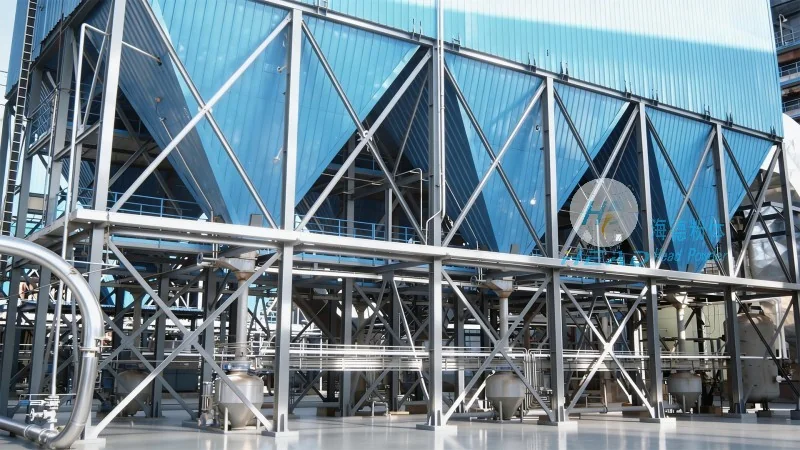
One of the critical working scene characteristics is the need for hygiene and cleanliness. Malt materials are sensitive to contamination, and the conveying systems must be constructed from materials that are easy to clean and sanitize. Stainless steel is commonly used for the construction of conveyor components, as it resists corrosion and can withstand the cleaning processes required in food processing environments. Additionally, the systems are equipped with sealing mechanisms to prevent dust and moisture from entering or exiting the conveyor, maintaining a clean and controlled environment.
Another important characteristic is the adaptability to different operational conditions. Malt material conveying lines are designed to operate under various environmental conditions, including temperature fluctuations and humidity changes. The materials used in the construction of the conveyor, such as high-density polyethylene (HDPE) or food-grade plastics, are chosen for their durability and resistance to environmental factors. This adaptability ensures that the systems can function reliably in both indoor and outdoor settings, providing flexibility in brewery layouts.
Application Examples and Operational Scenarios
Malt material conveying lines are used in a wide range of operational scenarios within the brewing industry. For example, in malting operations, these systems transport malt grains from storage silos to the malting equipment, where they undergo germination and drying processes. The conveying lines are designed to handle the specific requirements of malting, such as gentle handling to preserve the grain's quality and prevent breakage. In mashing operations, the systems transport malt and water to the mash tun, where the starch is converted into fermentable sugars. The conveyor speed and flow rate are carefully controlled to ensure the correct mash consistency and temperature.

In fermentation and packaging stages, malt material conveying lines are used to transport finished products or byproducts to storage tanks or packaging lines. The systems may include additional features, such as sorting or screening mechanisms, to separate different types of malt materials or remove impurities. These features enhance the efficiency of the overall process and ensure that only high-quality materials are used in the final product.
Conclusion and Company Overview
Malt material conveying lines are crucial components in modern breweries, enabling efficient and reliable material handling throughout the brewing process. The principles and working scene characteristics discussed above highlight the importance of designing and operating these systems with precision and care. As a leading provider in the industry, Shandong HeadPowder Engineering Co., Ltd. specializes in the design, manufacturing, and installation of malt material conveying systems tailored to the specific needs of breweries. With a focus on quality, efficiency, and hygiene, HeadPowder ensures that its systems meet the highest standards in the brewing industry, supporting the production of high-quality malt products.