

Principles and Working Scene Characteristics of Caustic Soda Material Handling
Caustic soda, also known as sodium hydroxide (NaOH), is a highly caustic and reactive chemical widely used in various industrial processes. Efficient and safe material handling of caustic soda is crucial for maintaining operational efficiency and ensuring workplace safety. This article explores the fundamental principles behind caustic soda material transport and highlights key working scene characteristics that define effective handling systems.

Core Principles of Caustic Soda Material Handling
The primary principle in caustic soda material handling is to minimize exposure to the chemical while maximizing operational efficiency. This involves several critical aspects, including the selection of appropriate equipment, adherence to safety protocols, and optimization of material flow. The handling process typically begins with the storage of caustic soda in specialized containers, such as tanks or drums, designed to withstand the chemical's corrosive properties. From there, the material is transported to processing units or storage areas through a network of pipelines, conveyor systems, or bulk handling equipment. Each step in this process requires careful consideration to prevent leaks, spills, or accidental exposure, which can lead to severe environmental and health hazards.

Working Scene Characteristics of Caustic Soda Handling
The working scene characteristics of caustic soda material handling vary significantly based on the application and scale of operations. For instance, in large-scale industrial facilities, such as chemical plants or pulp and paper mills, the handling systems are often integrated into a complex network of processes. These systems may involve high-capacity pumps, automated valves, and real-time monitoring to ensure precise control over the material flow. In contrast, smaller-scale applications, like in laboratories or small-scale manufacturing units, may rely on manual handling or smaller-scale equipment. The environment in which caustic soda is handled also plays a critical role. Facilities must be equipped with proper ventilation, emergency spill response equipment, and personal protective equipment (PPE) for workers. Additionally, the design of the handling area must consider factors like temperature control, as caustic soda can be sensitive to extreme temperatures, which can affect its viscosity and handling characteristics.
Equipment and Technology in Caustic Soda Material Handling
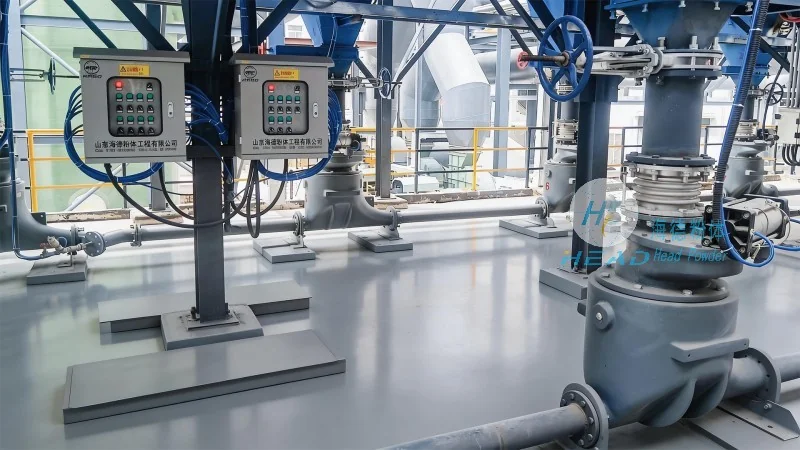
Modern caustic soda material handling systems leverage advanced technology to enhance safety and efficiency. Key equipment includes corrosion-resistant materials like stainless steel, which is essential for containing the chemical without degradation. Pumps, such as centrifugal or positive displacement pumps, are commonly used to transport caustic soda through pipelines. These pumps are designed to handle the high viscosity and corrosive nature of the material. Additionally, automated control systems, including sensors and programmable logic controllers (PLCs), are integrated to monitor and regulate the flow of caustic soda. These systems can detect leaks, adjust flow rates, and trigger emergency shutdowns if necessary, further enhancing safety. Conveyor systems, particularly in bulk handling operations, use specialized belts or buckets to transport caustic soda from storage to processing areas. The choice of equipment depends on the specific application, with considerations for material volume, flow rate, and the need for continuous or batch processing.
Safety and Compliance in Caustic Soda Handling
Ensuring safety is paramount in caustic soda material handling. Regulatory bodies, such as the Occupational Safety and Health Administration (OSHA) in the United States or similar organizations in other regions, set strict guidelines for handling hazardous chemicals. Compliance with these regulations is mandatory to prevent accidents and protect workers. Safety measures include proper training for personnel, regular maintenance of equipment, and the implementation of emergency response plans. Workers handling caustic soda must wear appropriate PPE, including gloves, goggles, and protective clothing, to minimize skin and eye contact. The handling area must also be equipped with emergency showers and eyewash stations in case of accidental exposure. Regular inspections and testing of equipment are also necessary to ensure that it remains in good working condition and does not pose a risk of failure. By adhering to these safety protocols, industrial facilities can minimize the risk of accidents and ensure the safe operation of caustic soda material handling systems.

Case Study: HeadPowder Engineering's Caustic Soda Handling Solutions
Shandong HeadPowder Engineering Co., Ltd., a leading provider of engineering solutions for chemical handling, specializes in designing and implementing caustic soda material transport systems tailored to the specific needs of industrial clients. With years of experience in the field, HeadPowder has developed a comprehensive range of solutions that address the unique challenges of caustic soda handling. The company's expertise lies in integrating advanced technology with robust safety measures to create efficient and reliable systems. For example, HeadPowder has designed custom pipelines and pump systems for a large chemical plant that required high-capacity transport of caustic soda to multiple processing units. The system included automated control panels and real-time monitoring to ensure precise flow control and immediate response to any anomalies. Another project involved the installation of a bulk handling system for a pulp and paper mill, where HeadPowder provided specialized conveyor equipment and storage tanks to handle large volumes of caustic soda. The company's commitment to quality and safety has earned it a reputation as a trusted partner in the chemical industry. By leveraging its engineering expertise and adherence to industry standards, HeadPowder ensures that its clients receive reliable and efficient caustic soda material handling solutions.