

Principle and Working Scene Characteristics of Sodium Silicate Powder Conveying Machine
Understanding the operational principles and application scenarios of sodium silicate powder conveying machines is crucial for industries that handle this specific material. HeadPowder, a leading manufacturer of industrial conveying equipment, specializes in providing solutions tailored to the unique needs of sodium silicate powder handling. This equipment is designed to efficiently transport sodium silicate powder, a key component in various industrial processes, ensuring smooth material flow and operational efficiency.
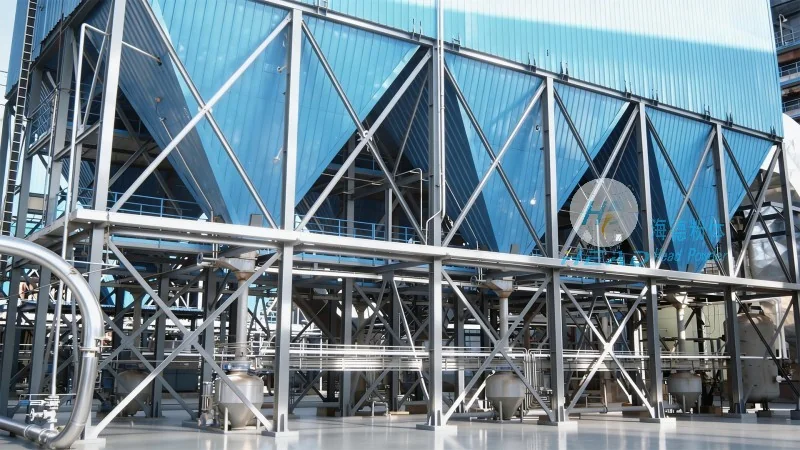
Introduction to Sodium Silicate Powder Conveying Machines
Sodium silicate, also known as water glass, is a versatile chemical widely used in construction, glass manufacturing, and chemical industries. The efficient handling of this powder is essential to maintain production continuity and reduce material loss. Conveying machines specifically engineered for sodium silicate powder address the unique challenges associated with this material, such as its hygroscopic nature and potential for dust generation. These machines are built to provide reliable and safe material transport, aligning with industry standards and safety protocols.
Core Principles of Powder Conveying Technology
The fundamental principle behind sodium silicate powder conveying machines is the use of mechanical systems to move bulk materials from one location to another. These systems typically employ a combination of components, including hoppers, feeders, conveyors, and control mechanisms. The process begins with the material being fed into the hopper, where it is then transferred to the conveyor system. The conveyor, often a screw or pneumatic type, moves the powder through the system, ensuring consistent flow and preventing clogging. Advanced designs incorporate features like variable speed drives and material sensors to optimize performance and adapt to changing conditions.

Working Scene Characteristics and Applications
Sodium silicate powder conveying machines are deployed in diverse industrial settings, each with specific requirements that influence their design and functionality. In construction sites, these machines facilitate the transport of sodium silicate for mortar and concrete production, ensuring precise dosing and mixing. In glass manufacturing plants, they handle the material for glass batch preparation, where uniformity is critical for product quality. Additionally, in chemical processing facilities, the equipment supports the transfer of sodium silicate between processing stages, maintaining process integrity and minimizing downtime.
Key Features and Advantages
Modern sodium silicate powder conveying machines are equipped with several features that enhance their performance and usability. These include dust suppression systems to control airborne particles, which is vital for maintaining a safe working environment and complying with environmental regulations. The machines also feature easy maintenance designs, with accessible components that simplify routine checks and repairs. Energy-efficient motors and optimized conveyor designs reduce operational costs, making them a cost-effective solution for long-term use. Furthermore, the ability to integrate with existing production lines allows for seamless integration without major modifications to the facility.

Operational Considerations and Best Practices
When operating sodium silicate powder conveying machines, several considerations are essential to ensure optimal performance and longevity. Regular maintenance, including cleaning of the hopper and conveyor components, is crucial to prevent material buildup and clogging. Monitoring the system for any signs of wear or malfunction helps in early detection and timely repair. Proper training of operators on the safe and efficient use of the equipment is also vital to prevent accidents and ensure compliance with safety standards. Additionally, adhering to the manufacturer's guidelines for material handling and system operation maximizes the equipment's lifespan and efficiency.
Conclusion
Sodium silicate powder conveying machines play a vital role in industries that rely on the efficient handling of this material. By understanding their operational principles and application scenarios, businesses can select and implement the most suitable equipment for their needs. The combination of advanced technology, robust design, and adherence to safety standards ensures that these machines provide reliable performance, contributing to improved productivity and operational efficiency in various industrial applications.