

Principle and Working Scene Characteristics of Dry Flue Gas Desulfurization Ash Powder Conveying Sys
Understanding the dry flue gas desulfurization ash powder conveying system is crucial for industries dealing with flue gas treatment and ash management. This system is designed to efficiently handle the dry ash produced during the flue gas desulfurization process, ensuring safe and reliable transportation of the ash material. The system's design integrates advanced engineering principles to address the unique challenges associated with ash handling, such as dust control, material flow optimization, and environmental compliance.

System Principle: How It Works
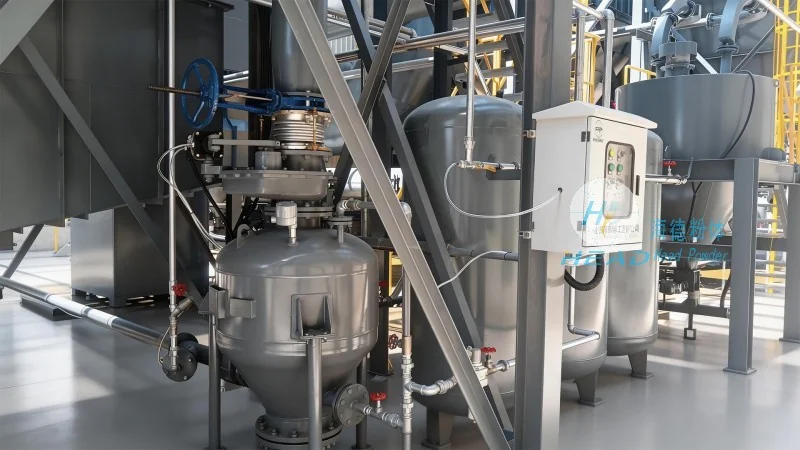
The core principle of the dry flue gas desulfurization ash powder conveying system revolves around the use of pneumatic conveying technology. This method involves transporting the ash powder through a network of pipes using compressed air or other gas streams. The system typically includes components like ash hoppers, feeders, conveying lines, and discharge points. The ash is first collected in the hopper, then fed into the conveying line via a feeder. The compressed air then propels the ash particles through the pipes, ensuring a consistent and controlled flow. This pneumatic approach eliminates the need for mechanical components that might cause wear and tear or require frequent maintenance, making it a robust solution for long-term operation.

Key Components and Their Functions
Several critical components make up the dry ash conveying system, each playing a vital role in the overall operation. The ash hopper serves as the storage unit, holding the collected dry ash before it is conveyed. The feeder, often a rotary valve or a screw feeder, regulates the flow of ash from the hopper into the conveying line, ensuring a steady supply without overloading the system. The conveying lines are typically made of corrosion-resistant materials like stainless steel or special plastic, designed to withstand the abrasive nature of the ash particles and the effects of moisture or chemicals. The discharge point, where the ash is released for further processing or disposal, is equipped with dust collection systems to prevent environmental contamination. Additionally, the system may include filters and cyclones to separate any fine particles from the air stream, ensuring compliance with air quality regulations.
Working Scene Characteristics: Applications and Benefits
The dry flue gas desulfurization ash powder conveying system is widely used in power plants, industrial facilities, and other sites where flue gas desulfurization is employed. Its primary application is in the transportation of dry limestone or other sorbents used in the desulfurization process, as well as the removal of the resulting ash. The system's working scene characteristics are defined by its ability to handle large volumes of material efficiently, with minimal downtime and maintenance. One of the key benefits is its flexibility in handling different ash compositions and particle sizes, making it adaptable to various industrial needs. Another advantage is the reduced risk of dust exposure compared to traditional mechanical conveying methods, which enhances workplace safety. The system also contributes to environmental sustainability by minimizing the release of airborne particles and ensuring proper disposal of the ash, aligning with regulatory requirements for air quality and waste management.
Company Information: HeadPowder Engineering
HeadPowder Engineering, a leading provider of industrial conveying solutions, specializes in the design, manufacturing, and installation of dry flue gas desulfurization ash powder conveying systems. With a focus on innovation and customer satisfaction, the company has established itself as a trusted partner in the power and industrial sectors. HeadPowder Engineering is headquartered in Shandong, China, and serves clients globally with tailored solutions that meet their specific operational requirements. The company's commitment to quality and reliability ensures that its systems deliver optimal performance and longevity, helping clients achieve their environmental and operational goals.