

Principle and Working Scene Characteristics of Slag Pneumatic Conveying Equipment
Slag, a byproduct of industrial processes such as steelmaking and cement production, requires efficient and reliable handling solutions to ensure smooth material flow and operational efficiency. Pneumatic conveying systems, particularly those designed for slag transport, offer a robust and versatile method for moving this abrasive and often high-volume material. This article explores the fundamental principles behind slag pneumatic conveying equipment, along with the key characteristics of its working environments, highlighting the technology's role in modern industrial applications.
The Working Principle of Slag Pneumatic Conveying Systems
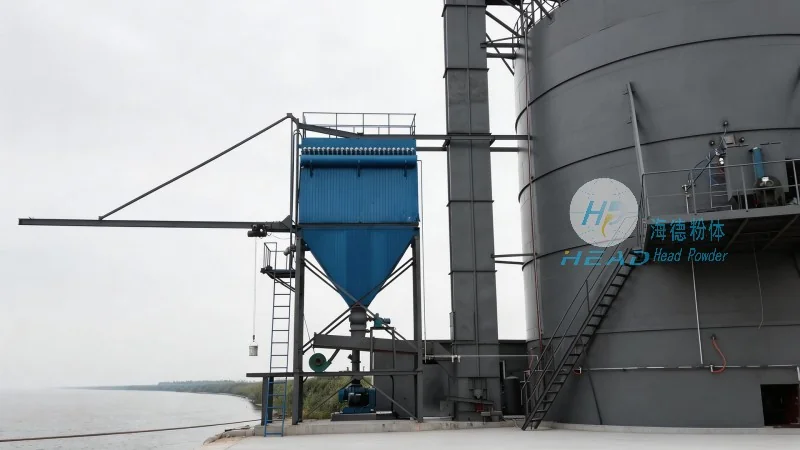
At its core, a pneumatic conveying system for slag operates by using compressed air or gas to transport particulate materials through a pipeline. The process typically involves several key components, including a hopper for material storage, a feeder to control the flow rate, a conveying line (often equipped with bends and valves), and a receiver for the discharged material. The principle of operation is based on the creation of a low-pressure or high-pressure air stream that entrains the slag particles, lifting them from the hopper and transporting them to the destination. This method eliminates the need for mechanical components like belts or buckets, reducing wear and maintenance costs while ensuring a continuous, dust-free transfer of material.

Key Working Scene Characteristics of Slag Pneumatic Conveying Equipment
The effectiveness of slag pneumatic conveying equipment is heavily influenced by the specific working environment in which it operates. These characteristics include the nature of the slag material (e.g., particle size, moisture content, and abrasiveness), the distance and layout of the conveying line, and the required flow rate. For instance, in steel mills, where slag is often hot and abrasive, the equipment must be designed to withstand high temperatures and handle coarse particles without degradation. Similarly, in cement plants, where the material may be cooler and more fine-grained, the system may require adjustments to air pressure and flow to maintain optimal performance. Additionally, the working environment may involve multiple transfer points or complex routing, necessitating flexible and durable components that can adapt to varying operational conditions.
Applications and Operational Advantages
Slag pneumatic conveying equipment is widely used in various industrial settings, including steel production facilities, cement manufacturing plants, and power generation stations. The primary advantages of this technology include its ability to handle abrasive materials without significant wear, its dust-free operation (when properly sealed), and its flexibility in routing, allowing for complex layouts that accommodate existing infrastructure. Unlike traditional methods such as trucks or conveyor belts, pneumatic systems can transport materials over long distances with minimal energy loss and reduced environmental impact. Furthermore, the enclosed nature of the system helps to control dust emissions, improving workplace safety and compliance with environmental regulations.

About Shandong HeadPowder Engineering Co., Ltd.
Shandong HeadPowder Engineering Co., Ltd., operating under the brand name headpowder, specializes in the design, manufacturing, and installation of advanced pneumatic conveying systems tailored to the unique needs of industrial clients. With a focus on innovation and quality, the company provides customized solutions for slag and other bulk material handling challenges. HeadPowder's expertise lies in understanding the specific requirements of each application, ensuring that the equipment not only meets operational efficiency standards but also adheres to safety and environmental guidelines. The company's commitment to customer satisfaction and technical excellence has established it as a trusted partner in the bulk material handling industry, serving clients across China and beyond.