

Principle and Working Scene Characteristics of Pneumatic Conveying for Soybean Grain
HeadPowder, a leading provider of material handling solutions, specializes in the design and implementation of pneumatic conveying systems tailored for soybean grain applications. This article explores the fundamental principles behind pneumatic conveying technology and highlights the key characteristics of its working environments, providing insights into how these systems efficiently transport bulk materials like soybeans.

Understanding Pneumatic Conveying Principles
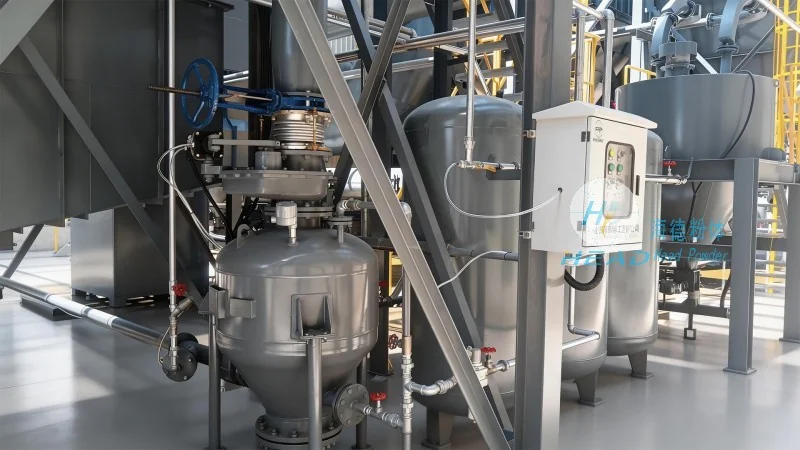
Pneumatic conveying is a method of transporting bulk materials, such as soybean grain, through a pipeline using air or other gases. The core principle involves creating a pressure differential within the system to move material from the source to the destination. There are two primary types of pneumatic conveying: pressure and vacuum systems. Pressure systems use compressed air to push material through the pipeline, while vacuum systems use a vacuum to pull material from the source. For soybean grain, pressure systems are often preferred due to their ability to handle high volumes and long distances with minimal pressure loss. The process typically involves a hopper or storage bin where the soybean grain is loaded, a conveyor line with a series of pipes, and a receiver or discharge point where the material is deposited. The system may also include components like rotary valves, filters, and dust collectors to ensure efficient and clean operation.
Key Working Scene Characteristics
The working scene characteristics of pneumatic conveying systems for soybean grain are influenced by several factors, including the material's properties, the system's design, and the operational environment. One of the primary characteristics is the system's ability to handle abrasive and high-density materials like soybean grain without causing excessive wear on components. This is achieved through the use of durable materials for the pipeline and components, such as stainless steel or specialized alloys, which resist corrosion and wear from the grain's particles. Another important characteristic is the system's efficiency in terms of energy consumption and material handling speed. Pneumatic conveying systems can transport soybean grain at high speeds, often exceeding 20 meters per second, and with minimal material degradation. This makes them ideal for applications where rapid and consistent material flow is required, such as in processing plants or storage facilities.
Application Scenarios and Operational Efficiency
HeadPowder's pneumatic conveying systems for soybean grain are designed to meet the specific needs of various working scenarios. In agricultural settings, these systems are commonly used to transfer harvested soybean grain from storage bins to processing facilities or silos. The systems can handle large volumes of grain, reducing the need for manual labor and improving operational efficiency. In industrial processing plants, the systems are integrated into production lines to transport soybean grain to grinding or processing equipment. The ability to maintain consistent material flow and minimize downtime is crucial in these environments, and pneumatic conveying systems excel in this regard. Additionally, the systems are designed to be flexible and adaptable, allowing for changes in the workflow or material handling requirements without significant modifications. This adaptability makes them suitable for a wide range of applications, from small-scale operations to large-scale industrial facilities.

System Components and Maintenance Considerations
The effectiveness of a pneumatic conveying system for soybean grain depends on the proper selection and maintenance of its components. Key components include the hopper or storage bin, which holds the soybean grain and provides a consistent feed to the system. The conveyor line, typically made of stainless steel or other corrosion-resistant materials, ensures the material is transported efficiently without blockages or leaks. Rotary valves are used to control the flow of soybean grain from the hopper into the conveyor line, while filters and dust collectors remove any fine particles or dust from the air, preventing contamination and ensuring clean operation. Regular maintenance is essential to keep the system running smoothly. This includes checking for wear and tear on components, cleaning filters, and inspecting for any blockages or leaks in the pipeline. Proper maintenance not only extends the lifespan of the system but also ensures consistent performance and minimal downtime.
Conclusion
HeadPowder's pneumatic conveying systems for soybean grain offer an efficient and reliable solution for transporting bulk materials in various working scenarios. By understanding the fundamental principles of pneumatic conveying and the key characteristics of its working environments, users can select and implement the most suitable system for their needs. The systems' ability to handle high volumes, maintain consistent flow, and adapt to different operational requirements makes them a valuable asset in agricultural and industrial settings. With proper maintenance and design, these systems can provide long-term operational efficiency and cost savings for soybean grain handling applications.