

Working Principle and Features of Large-Scale Bulk Material Pneumatic Conveying Equipment
Shandong HeadPowder Engineering Co., Ltd., based in Shandong, China, specializes in the design, manufacturing, and supply of advanced bulk material pneumatic conveying equipment. This equipment is vital for industries dealing with bulk materials, offering efficient and reliable solutions for material handling and transportation. The following sections will explore the working principles and key features of such equipment, providing a comprehensive understanding for potential users.

Working Principle of Pneumatic Conveying Systems
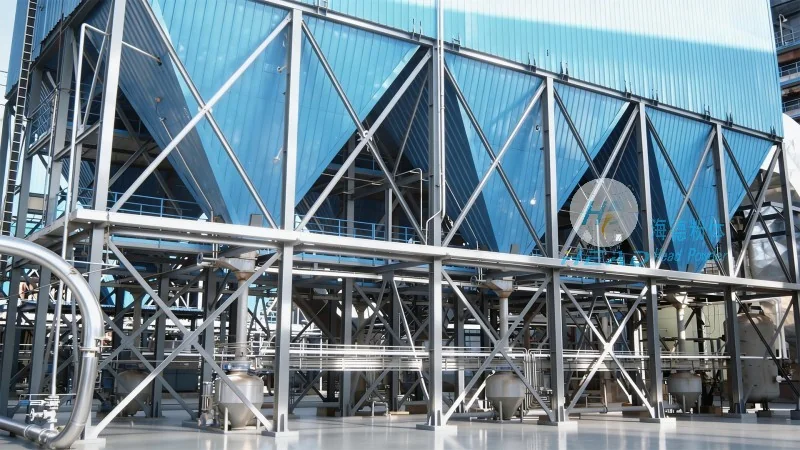
The core working principle of large-scale pneumatic conveying equipment involves the use of air or gas to transport bulk materials from one location to another. There are two primary types of pneumatic conveying systems: suction (or vacuum) systems and pressure systems. In suction systems, a vacuum is created at the material inlet to draw the material into the conveying line. The material is then carried by the airflow to the discharge point. Pressure systems, on the other hand, use compressed air to push the material through the pipeline. Both systems rely on the interaction between the material particles and the air flow to achieve effective transportation. The equipment typically includes a material hopper, a conveyor line, a control system, and a dust collection system. The material is fed into the hopper, and the air flow is controlled to maintain the desired conveying velocity, ensuring that the material moves smoothly without blockages or degradation.

Key Features of Large-Scale Pneumatic Conveying Equipment
Large-scale bulk material pneumatic conveying equipment from Shandong HeadPowder Engineering Co., Ltd. offers several advantages that make it suitable for various industrial applications. One of the primary features is its high efficiency in material handling. These systems can transport large volumes of bulk materials over long distances with minimal downtime, reducing labor costs and increasing productivity. Another significant feature is the environmental friendliness of pneumatic conveying. Unlike traditional methods like belt conveyors or bucket elevators, pneumatic systems do not require physical contact with the material, which helps prevent contamination and reduces the risk of dust exposure. This makes them ideal for handling sensitive or hygienic materials, such as food products or pharmaceuticals. Additionally, the equipment is designed for continuous operation, allowing for 24/7 production without interruptions. The control systems are advanced, with sensors and automation features that monitor the conveying process, ensuring optimal performance and preventing issues like blockages or air leaks. This automation also enhances safety by reducing the need for manual intervention in hazardous environments. The durability of the equipment is another key feature, with robust construction to withstand the demands of heavy-duty industrial use. The materials used in the construction, such as stainless steel and high-quality plastics, are resistant to corrosion and wear, extending the lifespan of the system. Furthermore, the flexibility of the equipment allows for easy integration into existing production lines, adapting to different material types and conveying requirements. This adaptability makes it a versatile solution for a wide range of industries, including chemical, food, and mining.

Applications and Benefits in Industrial Settings
The applications of large-scale bulk material pneumatic conveying equipment are diverse and widespread across various industries. In the chemical industry, these systems are used to transport powders and granules, such as cement, plastics, and fertilizers, between processing units and storage facilities. The efficiency of the equipment ensures that production lines run smoothly, with minimal material loss and consistent quality. In the food industry, pneumatic conveying is crucial for handling ingredients like flour, sugar, and spices, maintaining hygiene standards and preventing cross-contamination. The enclosed system and dust collection features help keep the environment clean and safe for workers. The mining industry also benefits from these systems, as they can transport bulk materials like coal, ore, and minerals from mines to processing plants. The ability to handle abrasive materials without damage to the equipment makes them a reliable choice for heavy-duty applications. The benefits of using pneumatic conveying in these industries include increased operational efficiency, reduced maintenance costs, and improved product quality. By eliminating the need for manual handling and reducing the risk of material degradation, the equipment contributes to overall cost savings and operational excellence. The scalability of the systems allows for customization based on the specific needs of each application, ensuring that the equipment meets the exact requirements of the user.