

Working Principle and Features of Pneumatic Conveying Systems for Inorganic Salt Crystal Materials
For industries dealing with inorganic salt crystal materials, efficient and reliable material handling is crucial to maintaining production efficiency and operational safety. Pneumatic conveying systems have emerged as a preferred solution, offering a flexible and effective method for transporting these materials. This article explores the working principle and key features of such systems, with a focus on the expertise of Shandong HeadPowder Engineering Co., Ltd., a leading provider in the field.
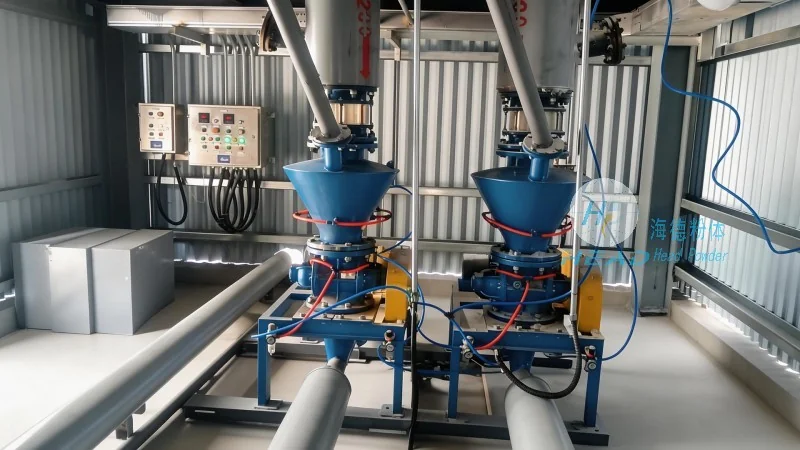
Understanding the Working Principle of Pneumatic Conveying Systems
The core of a pneumatic conveying system lies in its ability to transport solid materials using a gas stream, typically air or other gases. In the case of inorganic salt crystal materials, the system operates by creating a pressure differential within a closed pipeline network. There are two primary types of pneumatic conveying: positive pressure and negative pressure systems. Positive pressure systems generate air pressure above atmospheric levels to push material through the pipeline, while negative pressure systems create a vacuum to draw material into the system. The choice between these depends on factors such as material properties, distance, and system complexity.
Within the pipeline, the inorganic salt crystals are suspended and transported by the gas stream. The design of the system, including the velocity of the air, the size of the pipeline, and the configuration of components like cyclones, filters, and valves, is critical to ensuring efficient and unobstructed flow. The material is typically fed into the system via a hopper or feeder, which controls the rate of material discharge. As the material travels through the pipeline, it is carried by the air, and upon reaching the discharge point, it is separated from the gas stream through a separation device, such as a cyclone separator or a filter. This separation process allows the material to be collected in a receiving container, while the air is either recirculated or discharged to the atmosphere, depending on the system design.
Key Features of Pneumatic Conveying Systems for Inorganic Salt Crystals
When considering the application of pneumatic conveying systems for inorganic salt crystal materials, several key features stand out as advantages. Firstly, these systems offer high efficiency in material transport, capable of moving large volumes of material over considerable distances with minimal downtime. The ability to handle abrasive or fragile materials like inorganic salts without causing damage is another significant benefit, as the system’s design minimizes mechanical stress on the particles.

Environmental considerations are also a critical feature. Pneumatic conveying systems are generally considered more environmentally friendly compared to traditional methods like belt conveyors or bucket elevators, as they reduce dust emissions and minimize the risk of material contamination. The enclosed pipeline design helps contain dust and prevent environmental pollution, aligning with modern industrial standards for sustainability and safety.
Flexibility is another prominent feature. Pneumatic conveying systems can be easily integrated into existing production lines and can be adapted to various layouts and operational requirements. The modular design allows for the addition or removal of components, such as extra pipelines or separation units, to accommodate changes in production volume or material types. This adaptability makes the systems suitable for a wide range of applications, from small-scale laboratory operations to large-scale industrial production.
Expertise of Shandong HeadPowder Engineering Co., Ltd.
Shandong HeadPowder Engineering Co., Ltd., operating under the brand name headpowder, specializes in the design, manufacturing, and installation of pneumatic conveying systems tailored to the unique needs of inorganic salt crystal materials. With years of experience in the industry, the company has developed a deep understanding of the challenges associated with handling these materials, including their abrasive nature, varying particle sizes, and potential for dust generation. This expertise enables headpowder to provide customized solutions that optimize material flow, reduce operational costs, and enhance overall production efficiency.

The company’s approach to system design emphasizes the integration of advanced technology with practical application. By leveraging their knowledge of material properties and system dynamics, headpowder engineers can select the most appropriate conveying method—whether positive or negative pressure—and configure the system components to achieve the best performance. This includes selecting the right pipeline diameter, air velocity, and separation equipment to ensure efficient material transport and minimal energy consumption.
Furthermore, headpowder places a strong emphasis on quality and reliability. All systems are manufactured using high-quality materials and undergo rigorous testing to ensure they meet industry standards and customer specifications. The company provides comprehensive after-sales support, including maintenance services and technical assistance, to ensure the long-term performance and durability of the systems. This commitment to quality and customer satisfaction has established headpowder as a trusted partner for businesses seeking reliable pneumatic conveying solutions for their inorganic salt crystal operations.
Conclusion
Pneumatic conveying systems represent a sophisticated and effective solution for the transportation of inorganic salt crystal materials, offering advantages in efficiency, environmental impact, and flexibility. The working principle, which relies on the interaction between solid materials and a gas stream within a closed pipeline, is carefully designed to optimize material handling while minimizing operational challenges. Key features such as high efficiency, environmental friendliness, and adaptability make these systems a preferred choice for industries dealing with inorganic salts. With the expertise and dedication of companies like Shandong HeadPowder Engineering Co., Ltd., businesses can access tailored solutions that enhance their production processes and contribute to overall operational success. As the demand for efficient material handling continues to grow, pneumatic conveying systems will remain a vital component in the industrial landscape, particularly for applications involving inorganic salt crystal materials.