

Working Principle and Characteristics of Pneumatic Conveying for Gypsum and Sand Materials
Understanding the working principle and characteristics of pneumatic conveying for gypsum and sand materials is crucial for industries that rely on efficient material handling solutions. This article explores the fundamental mechanisms behind pneumatic conveying systems and highlights the specific attributes that make them suitable for handling gypsum and sand.
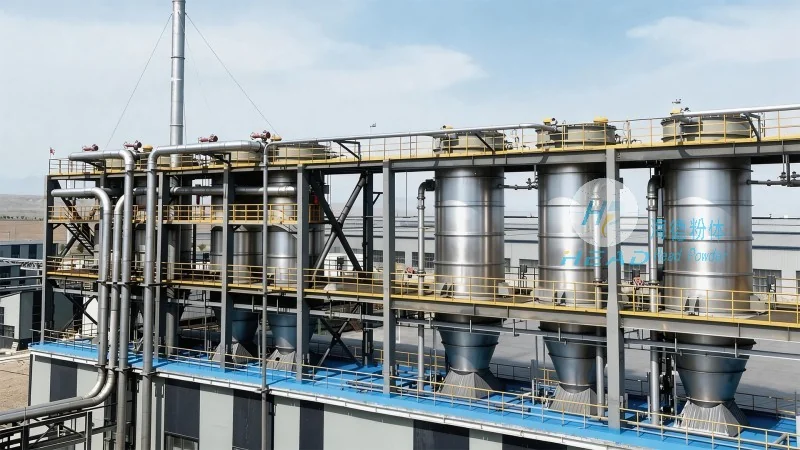

Working Principle of Pneumatic Conveying
Pneumatic conveying operates by transporting bulk materials through a pipeline using a gas stream, typically air or other gases. The process involves several key steps that ensure the material is moved from the source to the destination efficiently. First, the material is fed into the conveying line, often via a hopper or feeder. Then, a fan or blower generates the necessary air pressure to create a flow within the pipeline. As the air flows, it lifts and transports the material particles along the pipeline. The system may use different conveying modes, such as dilute-phase or dense-phase, depending on the material properties and application requirements. In dilute-phase conveying, the material is suspended in the air stream, while in dense-phase conveying, the material is moved in a more compact form, often with higher air pressure and lower air velocity. The choice of mode depends on factors like material density, abrasiveness, and the distance to be covered. The working principle ensures that the material is moved without the need for mechanical components like belts or buckets, reducing maintenance and increasing reliability.

Key Characteristics of Pneumatic Conveying Systems
Pneumatic conveying systems for gypsum and sand materials exhibit several distinct characteristics that make them advantageous in various industrial applications. One of the primary advantages is the ability to handle a wide range of material types, including fine powders and granular materials. The system's flexibility allows for the conveyance of materials over long distances, often with minimal loss or degradation. Another key characteristic is the enclosed nature of the system, which helps prevent dust emissions and contamination, making it suitable for environments where dust control is critical. Additionally, pneumatic conveying systems can be integrated with other processing equipment, such as mixers or classifiers, to form a complete material handling solution. The systems are also relatively easy to install and maintain, as they require fewer moving parts compared to traditional mechanical conveyors. Furthermore, the ability to control the air flow and pressure allows for precise material delivery, ensuring consistent performance in production processes. These characteristics collectively contribute to the efficiency and reliability of pneumatic conveying for gypsum and sand materials.

Company Profile: Shandong HeadPowder Engineering Co., Ltd.
Shandong HeadPowder Engineering Co., Ltd., commonly known as HeadPowder, is a leading provider of engineering solutions for material handling and processing. With a focus on innovation and quality, the company specializes in designing and manufacturing pneumatic conveying systems tailored to the needs of industries dealing with gypsum and sand materials. HeadPowder's headquarters is located in Shandong, China, where the company leverages its expertise to deliver customized solutions that meet the unique requirements of clients. The company's commitment to excellence and customer satisfaction has established it as a trusted partner in the material handling industry, offering reliable and efficient systems that enhance operational performance and reduce costs.