

Working Principle and Features of Multi-Hopper Pneumatic Conveying Systems
Multi-hopper pneumatic conveying systems are advanced industrial solutions designed for efficient and reliable material transport in various processing applications. These systems are widely used across industries such as food, pharmaceuticals, chemicals, and minerals due to their ability to handle a wide range of bulk materials with precision and minimal product degradation. The technology behind multi-hopper systems combines the principles of pneumatic conveying with multiple storage hoppers, enabling flexible and scalable material handling operations.

Working Principle of Multi-Hopper Pneumatic Conveying
The core working principle of a multi-hopper pneumatic conveying system involves the use of compressed air or gas to transport bulk materials from a source to a destination. The system typically consists of several hoppers, each containing a different material or a portion of the same material. Each hopper is equipped with a feeder, which controls the flow of material into the conveying line. As material is released from the hopper, it is drawn into the conveying pipe by the pressure differential created by the air flow. The air and material mixture travels through the pipeline to the receiving hopper or process unit. The system may include components like cyclones, filters, and pressure vessels to separate the material from the air and manage the pressure and flow rates. The multi-hopper design allows for the sequential or simultaneous discharge of different materials, providing flexibility in material blending and processing.
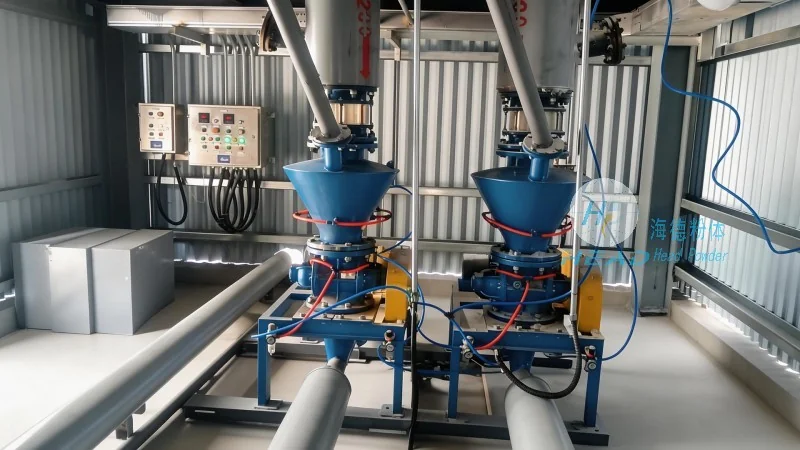
Key Features and Advantages of Multi-Hopper Pneumatic Conveying
Multi-hopper pneumatic conveying systems offer several distinct features and advantages that make them ideal for modern industrial applications. One of the primary features is the ability to handle multiple materials from different hoppers simultaneously, which is crucial for blending operations. This flexibility reduces downtime and increases production efficiency. Another key feature is the enclosed system design, which minimizes dust emissions and protects the material from contamination, making it suitable for applications where product purity is critical, such as in food and pharmaceutical industries. The systems also provide precise control over material flow rates and pressure, ensuring consistent and reliable transport. Additionally, the multi-hopper configuration allows for easy scaling of the system to accommodate increased production demands without significant modifications. The use of pneumatic conveying eliminates the need for mechanical components like belts or chains, reducing maintenance requirements and extending the system's lifespan. The technology also enables the transport of materials over long distances with minimal energy consumption compared to other methods like trucking or conveyor belts.
Applications and Industries Utilizing Multi-Hopper Systems
Multi-hopper pneumatic conveying systems are employed in a variety of industries where bulk material handling is essential. In the food and beverage industry, these systems are used to transport ingredients like flour, sugar, and spices from storage to production lines. The enclosed design and precise control help maintain product quality and prevent cross-contamination. In the pharmaceutical industry, multi-hopper systems are critical for handling active pharmaceutical ingredients (APIs) and excipients, ensuring that the materials are transported in a sterile and controlled environment. The chemical industry utilizes these systems for transporting powders and granules, such as pigments, catalysts, and reagents, where dust control and material purity are paramount. The minerals and mining sector also benefits from multi-hopper systems for transporting ores, coal, and other bulk materials from processing plants to storage or shipping facilities. The versatility of the system makes it suitable for a wide range of applications, from small-scale operations to large industrial plants.

Technical Considerations and System Design
When designing a multi-hopper pneumatic conveying system, several technical considerations must be taken into account to ensure optimal performance and reliability. The first consideration is the selection of the appropriate conveying medium, typically compressed air or nitrogen, depending on the material's properties and the required level of dust control. The system's design must account for the material's flow characteristics, such as its density, moisture content, and particle size distribution, to ensure proper feeding and transport. The hopper design is critical, as it must prevent material bridging and ensure consistent discharge. The feeder type, such as a rotary valve or a vibratory feeder, is chosen based on the material's flowability and the required flow rate. The pipeline layout and diameter are determined by the material's velocity and the system's pressure requirements. The inclusion of components like cyclones and filters is essential for separating the material from the air and maintaining system efficiency. The system's control system, which may include sensors and automation, is designed to monitor and adjust the flow rates and pressure in real-time, ensuring stable operation. Proper maintenance of the system, including regular cleaning and inspection of components, is necessary to prevent blockages and ensure long-term performance.