

Working Principle and Features of Powder Handling Systems for Battery Materials
Efficient and reliable powder handling systems are crucial in the production of battery materials, ensuring the safe and precise transport of raw materials and intermediates. This article explores the working principle and key features of such systems, highlighting their importance in modern battery manufacturing processes.

Working Principle of Powder Handling Systems for Battery Materials
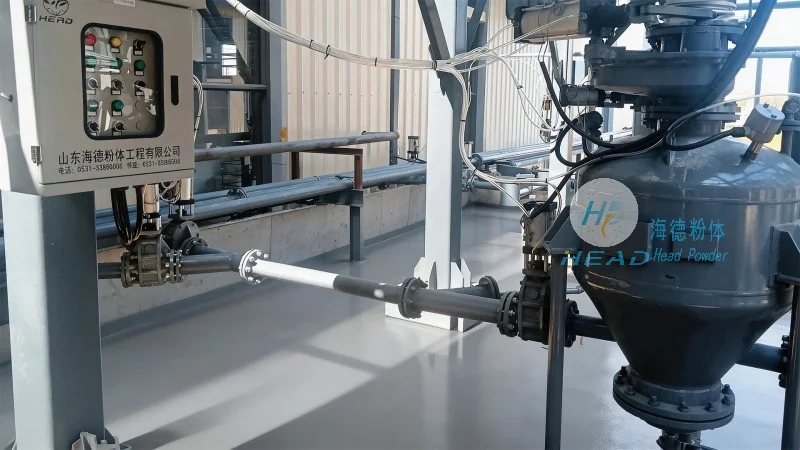
The powder handling system for battery materials typically operates through a series of interconnected components designed to manage the flow of powders from storage to processing units. The process begins with material feeding, where bulk powders are introduced into the system via a hopper or silo. A feeding device, such as a rotary valve or a screw feeder, regulates the flow rate to maintain consistent material delivery. This initial step ensures that the powder is evenly distributed and prevents blockages or overloading of downstream equipment.
Once the material is fed, it is transported through a network of pipelines or conveying systems. The choice of conveying method depends on the properties of the powder, including particle size, density, and moisture content. Common methods include pneumatic conveying (using air pressure to move powders) and mechanical conveying (using screws, belts, or buckets). For battery materials, which often require high precision and minimal contamination, pneumatic conveying is frequently preferred due to its ability to handle fine powders and maintain a controlled environment.

The system also includes a control unit that monitors and adjusts the flow parameters in real-time. Sensors, such as level detectors and pressure gauges, provide feedback on the material levels and pressure within the system. This data is processed by a programmable logic controller (PLC) or a more advanced control system, which adjusts the speed of feeders, the pressure of air in pneumatic systems, or the rotation speed of mechanical conveyors. The control unit ensures that the system operates within safe and optimal parameters, preventing issues like overfilling, underfilling, or material degradation.
Key Features of Battery Material Powder Handling Systems
Several key features distinguish effective powder handling systems for battery materials, making them suitable for demanding industrial applications. One of the primary features is high efficiency, which is achieved through optimized flow rates and minimal downtime. The system's design minimizes material loss and ensures that the entire production process runs smoothly, reducing waste and increasing productivity.
Another critical feature is safety. Battery materials, especially those used in lithium-ion batteries, can be sensitive to moisture and contamination. The powder handling system incorporates measures to maintain a dry and clean environment, such as using sealed containers, inert gas purging, and dust collection systems. These features prevent the introduction of moisture or impurities that could affect the quality and performance of the final battery products.

Adaptability is also a significant advantage of these systems. They can be customized to handle a wide range of battery materials, from cathode active materials like lithium cobalt oxide (LCO) to anode materials like graphite. The system's modular design allows for easy integration with existing production lines and the addition of new components as production needs evolve. This flexibility ensures that the system remains effective even as new battery technologies emerge.
Furthermore, the system emphasizes precision and control. The use of advanced sensors and control algorithms enables precise regulation of the powder flow, ensuring consistent product quality. This is particularly important in battery manufacturing, where even small variations in material composition can impact the performance and lifespan of the batteries. The system's ability to maintain tight tolerances on flow rates and material distribution contributes to the overall reliability of the production process.
About Shandong HeadPowder Engineering Co., Ltd.
Shandong HeadPowder Engineering Co., Ltd., commonly known as HeadPowder, is a leading provider of specialized engineering solutions for powder handling and material processing. With headquarters in Shandong, China, the company has built a strong reputation for delivering high-quality, customized systems tailored to the unique needs of the battery and other industrial sectors. HeadPowder's expertise lies in designing and manufacturing efficient, reliable, and safe powder handling systems that meet the stringent requirements of modern manufacturing processes.
The company's commitment to innovation and customer satisfaction has enabled it to serve a diverse range of industries, including battery manufacturing, pharmaceuticals, and food processing. By leveraging advanced technology and a deep understanding of material behavior, HeadPowder ensures that its systems are not only effective but also sustainable and cost-efficient. The company's team of experienced engineers and technicians works closely with clients to understand their specific challenges and develop tailored solutions that enhance productivity and product quality.
HeadPowder's facilities in Shandong, China, are equipped with state-of-the-art equipment and quality control measures, ensuring that every system meets the highest standards of performance and safety. The company adheres to international quality management systems and continuously invests in research and development to stay at the forefront of technological advancements in powder handling. This dedication to excellence has made HeadPowder a trusted partner for businesses seeking reliable and efficient powder handling solutions.