

Working Principle and Characteristics of Powder Material Conveying for Lithium-Ion Battery Positive
Efficient and reliable powder material conveying is a critical component in the production process of lithium-ion battery electrodes. The performance of the conveying system directly impacts the quality and consistency of the positive and negative electrode materials, which are fundamental to the overall performance of lithium-ion batteries. This article explores the working principles and key characteristics of powder material conveying systems specifically designed for lithium-ion battery positive and negative electrode materials, with a focus on the technology and applications provided by Shandong HeadPowder Engineering Co., Ltd., a leading manufacturer based in China.

Overview of Powder Material Conveying in Lithium-Ion Battery Production
In the manufacturing of lithium-ion batteries, the positive and negative electrode materials are typically in powder form. These powders need to be transported from raw material storage to processing equipment, such as mixers, extruders, and calenders, with precision and minimal degradation. Conventional conveying methods like screw conveyors, pneumatic systems, and bucket elevators are commonly used, but specialized solutions are often required to handle the specific properties of battery electrode powders, including their fine particle size, hygroscopic nature, and sensitivity to contamination.
Working Principle of Powder Material Conveying Systems
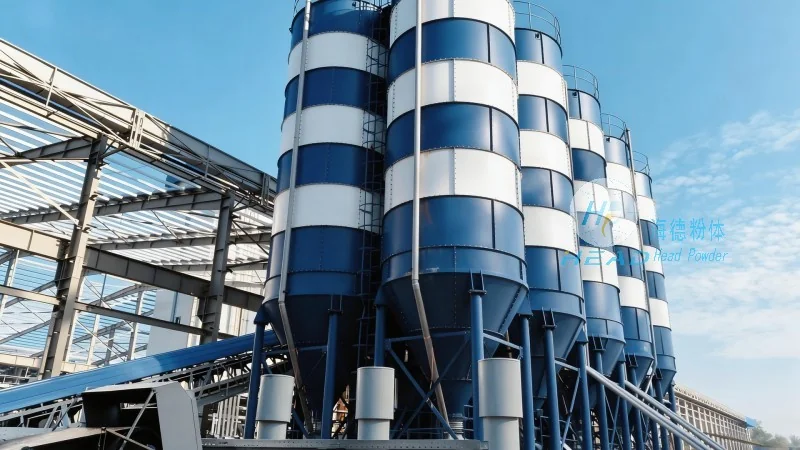
Shandong HeadPowder Engineering Co., Ltd. employs advanced conveying technologies tailored to the unique requirements of lithium-ion battery electrode materials. The core working principle involves the use of controlled air flow and mechanical components to move powders in a sealed, dust-free environment. For example, pneumatic conveying systems utilize compressed air to transport powders through pipelines, while mechanical systems like screw or belt conveyors rely on rotational motion to push materials forward. The choice of system depends on factors such as material properties, production scale, and the need for contamination control. In many cases, a combination of both pneumatic and mechanical components is used to achieve optimal conveying efficiency and material handling.
Key Characteristics of Conveying Systems for Battery Electrode Materials
Conveying systems for lithium-ion battery electrode materials must exhibit several key characteristics to ensure high-quality production. Firstly, they must maintain a high level of cleanliness and prevent cross-contamination between different material batches. This is achieved through sealed systems and thorough cleaning protocols. Secondly, the systems need to handle fine powders without causing agglomeration or particle degradation, which could affect the final battery performance. Advanced designs, such as air-classifying conveyors or vacuum systems, are used to maintain particle integrity. Thirdly, energy efficiency is a critical consideration, as the battery industry seeks to reduce operational costs and environmental impact. Modern conveying systems incorporate energy-saving features, such as variable speed drives and optimized airflow, to minimize power consumption. Lastly, the systems must be scalable and adaptable to changing production demands, allowing manufacturers to adjust conveying capacity as their operations grow.
Specific Considerations for Positive and Negative Electrode Material Conveying
The conveying requirements for positive and negative electrode materials differ due to their distinct chemical compositions and physical properties. Positive electrode materials, such as lithium cobalt oxide (LiCoO₂) or lithium iron phosphate (LiFePO₄), often have higher moisture sensitivity and require more stringent contamination control. Conveying systems for these materials typically use inert gases, like nitrogen, to prevent oxidation and moisture absorption. Negative electrode materials, such as graphite or silicon-based compounds, may have different flow characteristics and may require specialized equipment to prevent caking or blockage in the conveying lines. Shandong HeadPowder Engineering Co., Ltd. offers customized solutions that address these specific challenges, ensuring that each type of electrode material is handled with the appropriate level of care and precision.

Advantages of Advanced Powder Conveying Technology
Implementing advanced powder conveying technology offers several advantages for lithium-ion battery manufacturers. Improved material handling reduces downtime and increases production throughput, leading to higher operational efficiency. The consistent quality of the conveyed powders ensures uniform electrode production, which directly impacts battery performance and lifespan. Additionally, the sealed and controlled environment of modern conveying systems minimizes material waste and environmental pollution, aligning with sustainability goals in the battery industry. By investing in specialized conveying solutions, manufacturers can enhance their competitive edge in the market by producing higher-quality batteries at a lower cost.
Conclusion
Efficient powder material conveying is essential for the production of high-performance lithium-ion batteries. The working principles and characteristics of conveying systems, as exemplified by the solutions offered by Shandong HeadPowder Engineering Co., Ltd., play a crucial role in ensuring the quality and consistency of positive and negative electrode materials. By leveraging advanced technology and tailored designs, manufacturers can optimize their production processes, reduce costs, and meet the growing demand for reliable battery solutions. With its headquarters in Shandong, China, Shandong HeadPowder Engineering Co., Ltd. continues to innovate in powder handling technology, providing industry-leading solutions for the lithium-ion battery sector.