

Working Principle and Features of Pneumatic Conveying Systems for Food Additives
Pneumatic conveying systems are critical components in the food processing sector, particularly for the handling of food additives. These systems employ air or gas to transport bulk materials, offering a hygienic and efficient method for moving ingredients such as colorants, preservatives, and flavor enhancers. As a leading manufacturer in this domain, Shandong HeadPowder Engineering Co., Ltd. specializes in designing and producing high-quality pneumatic conveying solutions tailored to the unique demands of the food additive industry.
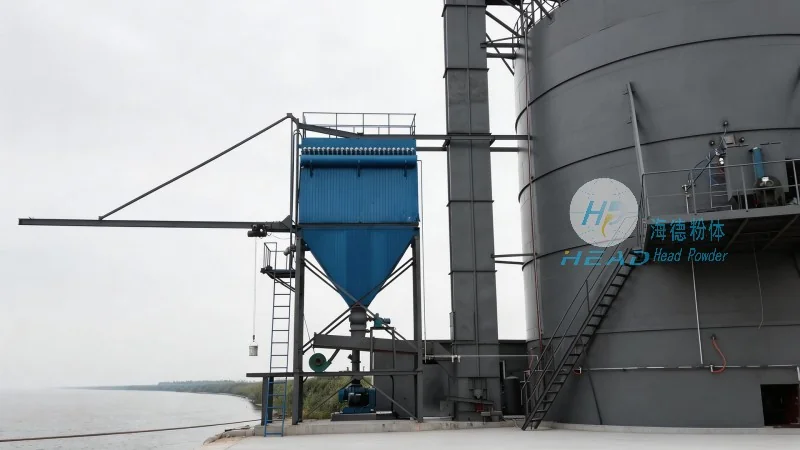
The Working Principle of Pneumatic Conveying Systems
The fundamental operation of a pneumatic conveying system involves utilizing a pressure or vacuum source to move material through a pipeline. In a typical pressure system, compressed air is introduced into the hopper, where it lifts and propels food additive particles into the conveying line. The material is then transported to the destination, such as a storage silo or processing unit. This process ensures minimal product degradation and maintains strict hygiene standards, which are paramount in food applications. The system's efficiency stems from its ability to handle fine powders and granules without mechanical components that could introduce contaminants or cause product attrition.

Key Features of Pneumatic Conveying Systems for Food Additives
Shandong HeadPowder Engineering Co., Ltd. offers pneumatic conveying systems with several distinctive features that enhance performance and reliability. A primary advantage is the hygienic design, which includes smooth, easy-to-clean surfaces and no dead zones where product can accumulate. This is essential for compliance with food safety regulations. Additionally, the systems are equipped with advanced control mechanisms that allow for precise flow regulation, ensuring consistent delivery of additives to production lines. The use of stainless steel construction further contributes to durability and resistance to corrosion, extending the system's operational life. Another notable feature is the flexibility in system configuration, as these conveyors can be adapted to various production layouts and can handle different types of food additives, from powders to fine granules.

Benefits of Using Pneumatic Conveying Systems in Food Additive Handling
Implementing a pneumatic conveying system for food additives yields numerous benefits for food processing facilities. Firstly, it significantly improves operational efficiency by automating the material handling process, reducing labor costs and minimizing downtime. The systems also enhance product quality by preventing contamination and reducing the risk of product degradation during transport. Furthermore, the hygienic design and easy maintenance features lower overall operational costs over time. In addition, the ability to handle a wide range of particle sizes and densities makes these systems versatile and adaptable to changing production requirements. For companies like Shandong HeadPowder Engineering Co., Ltd., investing in such systems ensures that their clients can meet stringent food safety standards while optimizing their production processes.

Conclusion and Company Overview
Shandong HeadPowder Engineering Co., Ltd. is a trusted provider of pneumatic conveying systems for the food additive industry. With a focus on innovation and adherence to industry standards, the company delivers solutions that combine efficiency, hygiene, and durability. By understanding the specific requirements of food processing, HeadPowder Engineering designs systems that not only meet but exceed client expectations. The company's commitment to quality and customer satisfaction has established it as a leading manufacturer in the field, serving clients with reliable and effective pneumatic conveying solutions. Located in Shandong, China, HeadPowder Engineering continues to advance the technology and application of pneumatic conveying systems, supporting the growth and success of the food additive industry.