

Working Principle and Features of Calcium Oxide Powder Pneumatic Conveying Equipment
For industrial applications involving the transport of calcium oxide powder, the selection of an efficient and reliable pneumatic conveying system is crucial. This article provides an in-depth exploration of the working principle and key features of such equipment, presented by Shandong HeadPowder Engineering Co., Ltd., a leading manufacturer in the field.

Introduction to Calcium Oxide Powder Pneumatic Conveying
Calcium oxide, commonly known as quicklime, is a widely used chemical in various industries including construction, steel production, and chemical manufacturing. The efficient handling and transportation of calcium oxide powder from storage to processing units are essential for maintaining production efficiency and safety. Pneumatic conveying systems offer a solution to these challenges by utilizing air to transport the powder, eliminating the need for mechanical components like belts or buckets that may cause contamination or wear.
The Working Principle of Pneumatic Conveying Equipment
The core of a pneumatic conveying system for calcium oxide powder is the ability to create a flow of air that can carry the powder particles through a pipeline. The process typically involves several key components: a material feeder, a compressor or blower to generate airflow, a pipeline network, and a receiver or discharge unit. The working principle can be categorized into two main types: dilute-phase and dense-phase conveying.
In dilute-phase conveying, the powder is suspended in the air stream as a fine mist, allowing it to travel through the pipeline at high velocities. This method is suitable for short to medium distances and low to medium powder loads. The system operates by feeding the calcium oxide powder into the pipeline at a controlled rate, while the compressor provides sufficient air pressure to maintain the flow. The air and powder mixture then moves through the pipeline to the receiving hopper or processing equipment.
Dense-phase conveying, on the other hand, involves a higher concentration of powder in the air stream, resulting in a more compact flow. This method is ideal for longer distances and higher powder loads, as it reduces the risk of particle segregation and blockages. The equipment uses a lower air velocity and higher pressure to push the powder through the pipeline in a slug or plug flow. The dense-phase system often includes a pressure vessel or a positive displacement blower to maintain the necessary pressure.
Key Features of Calcium Oxide Powder Pneumatic Conveying Equipment
When evaluating pneumatic conveying systems for calcium oxide powder, several features are critical to ensure optimal performance and reliability. These features are designed to address the unique properties of calcium oxide, such as its reactivity, dustiness, and potential for caking.
Firstly, the system must be equipped with a robust material feeder that can handle the flow characteristics of calcium oxide powder. The feeder ensures a consistent and controlled feed rate, preventing surges or blockages that could disrupt the conveying process. For calcium oxide, which can be abrasive and corrosive, the feeder components are typically made of high-quality materials like stainless steel or special alloys to withstand wear and chemical exposure.
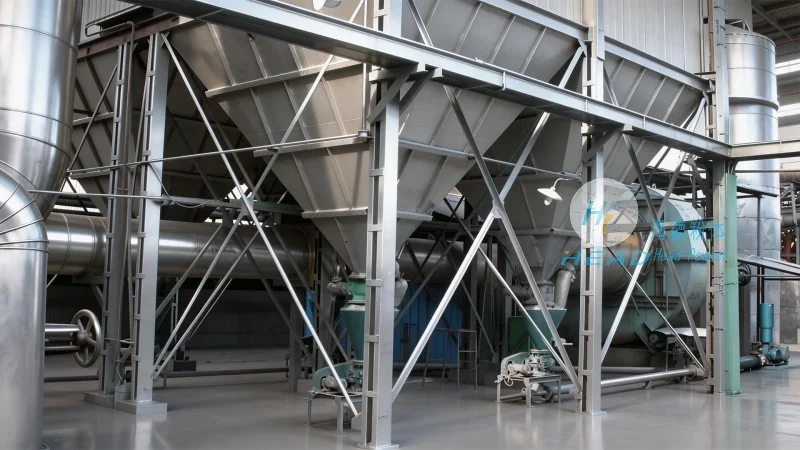
Secondly, the air compression system plays a vital role in the efficiency of the conveying process. The choice between a positive displacement blower and a centrifugal compressor depends on the application requirements, such as the distance and powder load. A positive displacement blower provides a more stable and controllable airflow, which is beneficial for dense-phase conveying. The blower is also quieter and more energy-efficient for lower pressure applications. In contrast, a centrifugal compressor is suitable for high-volume, low-pressure applications, offering higher airflow rates at lower pressures.
Thirdly, the pipeline design is crucial for preventing powder degradation and system blockages. The use of smooth, corrosion-resistant materials like stainless steel or PTFE-coated pipes minimizes friction and reduces the risk of particle accumulation. The pipeline layout should be designed to avoid sharp bends or vertical drops that could cause particle segregation or clogging. Additionally, the inclusion of in-line filters and cyclones helps to separate the powder from the air stream, ensuring that the receiving equipment is not contaminated with dust.
Fourthly, the receiver or discharge unit is designed to handle the incoming powder efficiently. The receiver typically includes a hopper with a conical bottom to allow the powder to settle and discharge smoothly. The design of the hopper and discharge valve is critical to prevent caking and ensure a consistent flow of calcium oxide powder into the processing equipment. For applications where the powder needs to be stored or transferred to other units, the receiver may include a silo or a storage tank with a level indicator.
Advantages of Using Pneumatic Conveying for Calcium Oxide Powder
Implementing a pneumatic conveying system for calcium oxide powder offers several advantages over traditional mechanical conveying methods. One of the primary benefits is the elimination of mechanical components, which reduces the risk of contamination and maintenance costs. Unlike belt or bucket conveyors, pneumatic systems do not come into direct contact with the powder, ensuring that the product remains clean and free from foreign particles.
Another advantage is the ability to transport calcium oxide powder over long distances without the need for intermediate storage or transfer points. The system can be designed to connect multiple processing units, such as storage silos, reactors, and finishing equipment, in a single, continuous flow. This reduces the overall footprint of the facility and improves operational efficiency.
The flexibility of pneumatic conveying systems is also a significant benefit. The equipment can be easily modified or expanded to accommodate changes in production volume or process requirements. The use of flexible hoses or adjustable pipelines allows for changes in the system layout without major construction or reconfiguration. This adaptability is particularly valuable in industries where production needs may vary over time.

Furthermore, pneumatic conveying systems are generally more energy-efficient compared to mechanical conveyors, especially for long-distance or high-volume applications. The air compression system can be optimized to provide the necessary pressure and airflow while minimizing energy consumption. The reduction in energy costs and maintenance expenses makes pneumatic conveying a cost-effective solution for calcium oxide powder handling.
Considerations for Selecting the Right Pneumatic Conveying System
When selecting a pneumatic conveying system for calcium oxide powder, several factors must be considered to ensure the best fit for the specific application. The first consideration is the distance and volume of powder to be transported. For short distances and low powder loads, a dilute-phase system may be sufficient. However, for longer distances or higher loads, a dense-phase system is recommended to maintain the quality and integrity of the powder.
Secondly, the properties of the calcium oxide powder itself are critical. Factors such as particle size, moisture content, and flowability will affect the choice of system. For example, finer particles may require a higher air velocity to maintain suspension, while coarser particles may need a denser phase to prevent segregation. The system design should be tailored to the specific characteristics of the powder to ensure optimal performance.
Thirdly, the environmental and safety requirements of the facility must be considered. Pneumatic conveying systems can be equipped with dust collection and filtration systems to comply with environmental regulations. The equipment should also be designed to prevent dust explosions, which is a significant concern in powder handling applications. The use of explosion-proof components and proper ventilation systems is essential for ensuring workplace safety.
Finally, the cost and maintenance requirements of the system should be evaluated. While pneumatic conveying systems may have a higher initial investment compared to mechanical conveyors, the long-term benefits in terms of reduced maintenance, energy savings, and product quality make them a cost-effective choice. The selection of a reputable manufacturer like Shandong HeadPowder Engineering Co., Ltd. ensures that the equipment is designed and built to meet the specific needs of the application, providing reliable and efficient performance over its service life.
Conclusion
Pneumatic conveying equipment for calcium oxide powder is a highly effective solution for industrial powder handling, offering a combination of efficiency, reliability, and flexibility. By understanding the working principles and key features of such systems, industries can make informed decisions to optimize their calcium oxide powder transportation processes. The use of advanced materials, robust components, and efficient design ensures that these systems can handle the unique challenges of calcium oxide powder, providing a safe and cost-effective method for transporting the material from storage to processing units. As a leading manufacturer, Shandong HeadPowder Engineering Co., Ltd. offers customized pneumatic conveying solutions tailored to the specific requirements of each application, ensuring optimal performance and long-term reliability.