

Working Principle and Features of Dust Pneumatic Conveying Equipment
When it comes to efficiently transporting bulk materials like dust and powders, pneumatic conveying systems offer a reliable and effective solution. These devices are integral to industries ranging from food processing and pharmaceuticals to chemical manufacturing and mining, where the need to move fine particles without contamination or loss is paramount.

Working Principle of Pneumatic Conveying Systems
The core of a dust pneumatic conveying system lies in its ability to use air pressure to transport material. There are primarily two types of systems: positive pressure and negative pressure. In a positive pressure system, air is blown into the conveying line, creating a pressure higher than the ambient air, which pushes the material forward. Conversely, negative pressure systems draw air and material from the source, creating a vacuum that pulls the material through the line. The choice between these systems depends on factors such as the material's properties, the distance to be covered, and the need for containment. The process typically involves a hopper or feeder that loads the material into the system, a blower or vacuum pump that generates the air flow, and a receiver or discharge point where the material is collected. The air and material mixture travels through the pipeline, with the air providing the necessary force to move the particles. After the material is discharged, the air is often filtered to remove any residual dust, ensuring compliance with environmental regulations.

Key Features and Advantages of Dust Pneumatic Conveying Equipment
One of the most significant advantages of pneumatic conveying systems is their efficiency in handling fine and abrasive materials. Unlike mechanical systems that rely on belts or screws, which can cause wear and tear or contamination, pneumatic systems use air to transport material, minimizing the risk of product degradation. This is particularly important in industries where product purity is critical, such as in pharmaceuticals or food processing. Another key feature is the ability to transport materials over long distances without the need for multiple transfer points, which can reduce operational costs and improve overall system reliability. The systems are also highly flexible, allowing for changes in material flow rates or destinations without major modifications. Additionally, pneumatic conveying can be integrated with other processing equipment, such as mixers or classifiers, to create a seamless production line. Environmental considerations are also a major advantage, as the enclosed system prevents dust from escaping into the environment, reducing the risk of air pollution and ensuring workplace safety. The systems are designed to be easy to clean and maintain, with features like self-cleaning filters and quick-disconnect fittings that minimize downtime. Overall, the combination of efficiency, flexibility, and environmental friendliness makes dust pneumatic conveying equipment a preferred choice for many industries.

Applications and Industries Utilizing Pneumatic Conveying Systems
Dust pneumatic conveying systems are widely used across various sectors due to their adaptability to different material types and operational requirements. In the food and beverage industry, these systems are used to transport ingredients like flour, sugar, and spices, ensuring that the products remain fresh and free from contamination. The pharmaceutical industry relies on pneumatic conveying for the transport of active pharmaceutical ingredients (APIs) and other powders, where strict cleanliness and containment are essential. Chemical manufacturers use these systems to handle a variety of powders, including catalysts and reagents, which can be hazardous if not handled properly. The mining and mineral processing industry utilizes pneumatic conveying to transport ore and other fine materials from processing plants to storage or further treatment facilities. Additionally, in the agricultural sector, these systems are used to move grain and other agricultural products, improving the efficiency of storage and distribution. The versatility of pneumatic conveying systems makes them suitable for a wide range of applications, from small-scale operations to large industrial plants.
Conclusion and Company Overview
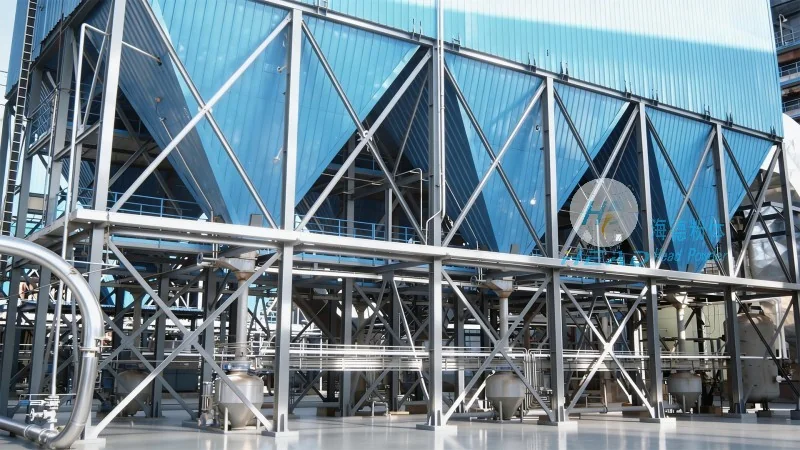
As the demand for efficient and reliable material handling solutions grows, dust pneumatic conveying equipment continues to play a vital role in modern industries. The technology has evolved significantly over the years, with advancements in air filtration, material handling, and system control, making it more efficient and user-friendly. Companies like Shandong HeadPowder Engineering Co., Ltd., based in China, specialize in the design, manufacturing, and installation of these systems, providing customized solutions tailored to the specific needs of their clients. With a focus on quality, innovation, and customer satisfaction, HeadPowder has established itself as a leading provider of pneumatic conveying equipment, serving industries worldwide. The company's commitment to meeting the highest standards of performance and safety ensures that their systems are not only effective but also reliable and durable. By leveraging the principles of pneumatic conveying, industries can achieve improved productivity, reduced costs, and enhanced product quality, making it an essential component of modern material handling operations.