

Working Principle and Features of Activated Carbon Powder Pneumatic Conveying Systems
Shandong HeadPowder Engineering Co., Ltd., commonly known as headpowder, specializes in the design, manufacturing, and installation of advanced pneumatic conveying systems tailored for activated carbon powder. With a focus on precision and efficiency, the company has established itself as a leading provider in the field, delivering solutions that meet the stringent requirements of modern industrial applications. The following article explores the working principle and key features of activated carbon powder pneumatic conveying systems, highlighting how these technologies enhance material handling processes.

Working Principle of Activated Carbon Powder Pneumatic Conveying Systems
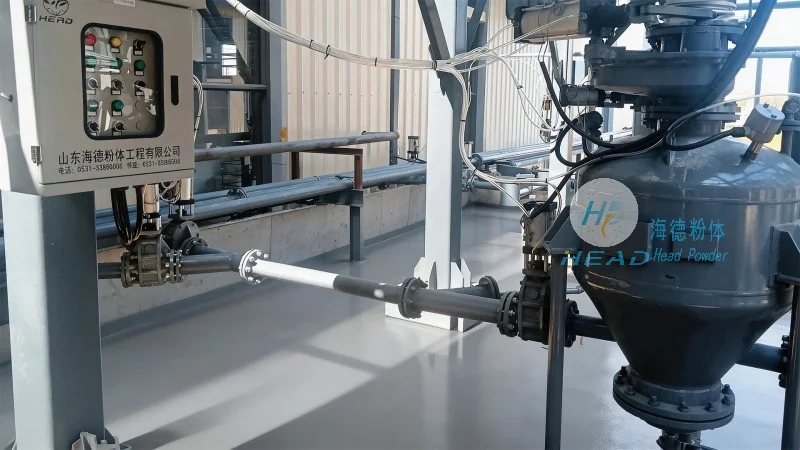
The core of an activated carbon powder pneumatic conveying system lies in its ability to transport dry powders, such as activated carbon, using air as the primary driving force. This method, known as pneumatic conveying, operates by creating a pressure differential between the inlet and outlet of the system. In a typical setup, a blower or compressor generates high-pressure air that is introduced into a hopper containing the activated carbon powder. As the air flows through the hopper, it lifts and suspends the powder particles, forming a dense stream that is then directed through a network of pipes to the destination point, such as a storage silo or processing unit. The system can be configured in various modes, including positive pressure (where air is forced into the system) or negative pressure (where air is drawn out), depending on the specific application and material characteristics. The efficiency of the conveying process is influenced by factors like air velocity, particle size, and moisture content, all of which are carefully optimized to ensure reliable and consistent operation.

Key Features and Advantages of Activated Carbon Powder Pneumatic Conveying Systems
Activated carbon powder pneumatic conveying systems offer several distinct advantages that make them ideal for industrial applications. Firstly, they provide a clean and dust-free method of material transport, eliminating the need for manual handling and reducing the risk of contamination. Unlike traditional mechanical systems, which may generate dust and require additional filtration, pneumatic conveying systems maintain a sealed environment, protecting both the material and the surrounding environment. Secondly, these systems are highly efficient in terms of energy consumption and operational speed. By utilizing air as the conveying medium, they can move large volumes of powder quickly and with minimal downtime, improving overall production throughput. Thirdly, the flexibility of pneumatic conveying allows for easy integration with existing industrial setups. The system can be customized to fit various space constraints and can be adapted to handle different particle sizes and flow rates, making it suitable for a wide range of applications, from small-scale laboratory use to large-scale industrial production. Additionally, the system's ability to operate in both positive and negative pressure modes provides versatility, enabling it to handle both loading and unloading tasks seamlessly. The control mechanisms, often automated with sensors and valves, allow for precise regulation of the conveying process, ensuring consistent material flow and preventing blockages or overloading. This level of control not only enhances operational safety but also extends the lifespan of the equipment by reducing wear and tear.
Application Scenarios and Practical Benefits
The practical benefits of activated carbon powder pneumatic conveying systems are evident in various industrial sectors. For example, in the chemical and pharmaceutical industries, where activated carbon is used as an adsorbent or filter media, these systems ensure that the material is transported without degradation or contamination. The sealed environment prevents exposure to external elements, maintaining the purity of the activated carbon, which is critical for its effectiveness in adsorption processes. In the food and beverage industry, where activated carbon is used for filtration and deodorization, the clean and hygienic nature of pneumatic conveying is essential to meet regulatory standards. The system's ability to handle fine powders without clogging or agglomerating ensures that the final product remains free from impurities. Furthermore, in the environmental and waste management sectors, where activated carbon is employed for water treatment and air purification, the efficient and reliable transport of the material is vital for maintaining treatment efficiency. The reduced labor costs associated with pneumatic conveying, as it minimizes manual handling and reduces the need for additional equipment like conveyor belts or elevators, also contributes to overall operational savings. By streamlining the material handling process, these systems help companies improve productivity, reduce operational costs, and enhance the quality of their final products.

Conclusion and Future Outlook
Activated carbon powder pneumatic conveying systems, as exemplified by the solutions offered by Shandong HeadPowder Engineering Co., Ltd., represent a sophisticated and efficient approach to material handling in modern industry. By leveraging the principles of pneumatic transport, these systems address the challenges associated with handling fine powders like activated carbon, providing a clean, reliable, and versatile solution. The key features, including the ability to operate in both pressure modes, precise control mechanisms, and adaptability to various applications, make them a preferred choice for industries that demand high standards of efficiency and product quality. As industrial processes continue to evolve, the demand for advanced material handling technologies will only increase, and systems like these will play a crucial role in meeting the needs of the future. With a commitment to innovation and quality, companies like headpowder are at the forefront of developing solutions that enhance operational performance and contribute to sustainable industrial practices.