

Working Principle and Features of PTFE Pneumatic Conveying Systems
PTFE (Polytetrafluoroethylene) pneumatic conveying systems represent a sophisticated solution for material handling in various industrial sectors. These systems are designed to transport dry bulk materials through an enclosed pipeline using a stream of air or other gas. The integration of PTFE components, particularly in the material of construction, offers unique advantages that enhance system performance and longevity. This article explores the fundamental working principle of PTFE pneumatic conveying systems and highlights their key features, providing insights into why they are preferred in demanding applications.

Working Principle of PTFE Pneumatic Conveying Systems
The core working principle of a PTFE pneumatic conveying system revolves around the transfer of dry bulk materials through a pressurized or vacuum pipeline. The system typically operates by creating a pressure differential between the inlet and outlet of the conveying line. In a pressurized system, air or gas is introduced at the inlet, creating a high-pressure environment that propels the material particles forward. Conversely, a vacuum system draws material into the pipeline by creating a low-pressure zone at the inlet, pulling the material along with the air flow. The PTFE components, such as the hopper, pipeline, and separation equipment, are engineered to withstand the operational pressures and maintain a smooth, low-friction surface that minimizes material degradation and system wear.
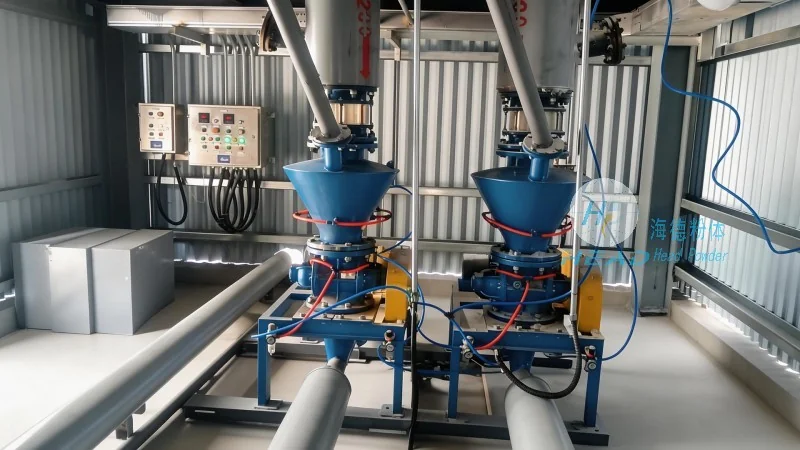
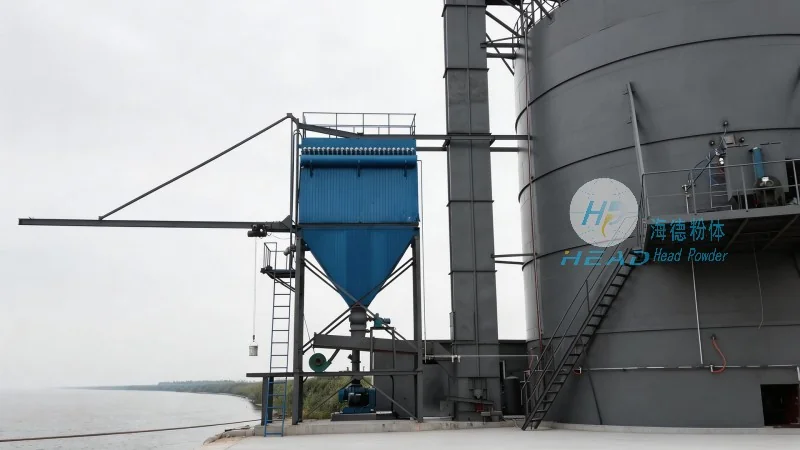
Key components of a PTFE pneumatic conveying system include the feed hopper, which holds the bulk material and ensures a consistent feed rate; the conveying pipeline, often made from PTFE or PTFE-lined materials to provide corrosion resistance and low surface energy; the air or gas source, which supplies the necessary pressure or vacuum; and the separation equipment, such as cyclones or filters, that separates the conveyed material from the air stream at the discharge end. The PTFE material's exceptional chemical inertness and non-stick properties are crucial here, as they prevent material buildup and ensure clean, efficient operation. The system's design allows for the transport of a wide range of materials, from fine powders to coarse granules, with minimal degradation or segregation.
Key Features of PTFE Pneumatic Conveying Systems
PTFE pneumatic conveying systems are distinguished by several critical features that make them suitable for high-performance industrial applications. First and foremost, the use of PTFE in the system's construction provides unparalleled chemical resistance. PTFE is inert to a vast array of acids, bases, and solvents, making it ideal for handling aggressive or corrosive materials that would otherwise damage traditional metal or plastic components. This resistance extends the system's lifespan and reduces maintenance costs over time.
Second, PTFE's low coefficient of friction contributes to efficient material flow and reduced energy consumption. The smooth surface of PTFE-lined pipelines minimizes the drag on material particles, allowing for lower air velocities and pressures while maintaining optimal conveying rates. This not only saves energy but also reduces wear on system components, such as valves and pumps, which are critical to the system's reliability.
Third, the hygienic design of PTFE systems is a significant advantage, particularly in industries like pharmaceuticals, food processing, and cosmetics. PTFE is non-porous and easy to clean, meeting stringent sanitary standards. The absence of crevices or rough surfaces prevents material accumulation and contamination, ensuring product purity and compliance with regulatory requirements. This feature is essential for applications where product quality and safety are paramount.
Fourth, PTFE pneumatic conveying systems offer versatility in material handling. They can be configured for both pressure and vacuum operation, allowing for flexible system design to suit different plant layouts and material characteristics. The systems are also scalable, from small laboratory-scale units to large industrial installations, making them adaptable to a wide range of production needs. Additionally, the system's ability to handle a broad spectrum of materials, including sensitive or abrasive powders, without causing degradation or contamination makes it a preferred choice for many industries.
Applications and Advantages in Industrial Settings
The advantages of PTFE pneumatic conveying systems are evident in their application across various industries. In the chemical industry, they are used to transport corrosive powders and slurries, where traditional metal systems would quickly corrode. In the pharmaceutical sector, the hygienic design and chemical inertness of PTFE ensure that active ingredients and final products remain uncontaminated, meeting strict quality control standards. The food industry benefits from the non-stick and easy-to-clean properties of PTFE, which prevent product contamination and simplify cleaning processes. Similarly, in the cosmetics and personal care industries, PTFE systems maintain product purity and consistency, ensuring that final products are free from impurities.

From a maintenance perspective, PTFE systems require less frequent servicing compared to traditional systems. The low friction and corrosion resistance reduce wear and tear on components, extending their operational life. This leads to lower long-term maintenance costs and increased system uptime. Furthermore, the energy efficiency of PTFE systems, due to their low pressure requirements and reduced air consumption, contributes to lower operational expenses and a smaller environmental footprint.
Conclusion and Company Information
PTFE pneumatic conveying systems combine advanced material science with efficient engineering to provide a reliable and durable solution for bulk material handling. Their working principle, centered on pressurized or vacuum air flow through PTFE-lined pipelines, ensures efficient and safe transport of a wide range of materials. The key features—chemical resistance, low friction, hygienic design, and versatility—make these systems ideal for demanding industrial applications. As a leader in the field, Shandong HeadPowder Engineering Co., Ltd. specializes in designing and manufacturing high-quality PTFE pneumatic conveying systems, serving clients with expertise and precision. With operations based in Shandong, China, the company delivers tailored solutions that meet the unique needs of industrial operations worldwide.