

Working Principle and Features of Fiber Pneumatic Conveying Systems
Fiber pneumatic conveying systems represent a sophisticated technology used in material handling and processing industries. These systems are designed to transport bulk materials, particularly those that are fine, powdery, or fibrous, through a pipeline using compressed air. The technology offers an efficient and flexible solution for moving materials over short to medium distances, making it a preferred choice in various industrial applications. This article delves into the working principle and key features of such systems, providing a comprehensive understanding of their functionality and benefits.
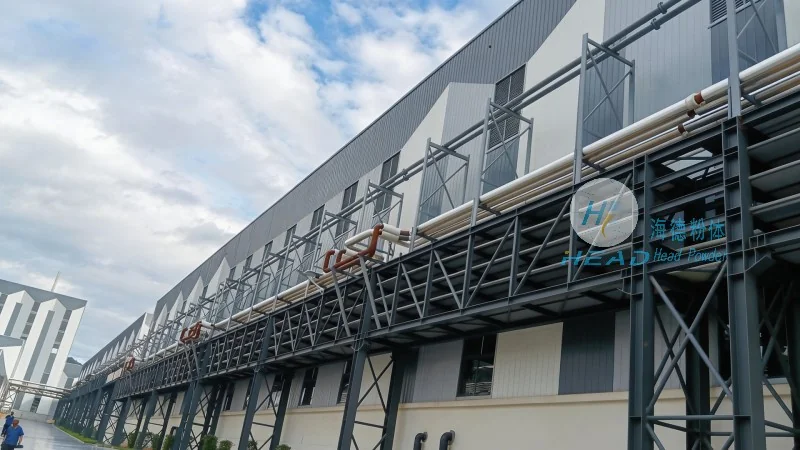
The Working Principle of Fiber Pneumatic Conveying Systems
The core mechanism of fiber pneumatic conveying systems involves the use of a pressure differential to move material through a pipeline. The process typically begins with the material being fed into a hopper or feeder, where it is then introduced into a pipeline under pressure. Compressed air, often supplied by a blower or compressor, is introduced into the system, creating a flow that propels the material forward. The air and material mixture travels through the pipeline, with the air providing the necessary force to overcome resistance and move the material. The system may include components such as cyclones, filters, and separation units to manage the material and air separation at the end of the conveying line. The entire process is controlled by a system of valves, regulators, and sensors to ensure optimal performance and material handling efficiency.

Key Features and Advantages of Fiber Pneumatic Conveying Systems
Fiber pneumatic conveying systems offer several distinct advantages that make them suitable for a wide range of applications. One of the primary features is their ability to handle fine and fibrous materials without causing degradation or segregation. The enclosed pipeline design prevents contamination and dust emissions, which is crucial in industries where material purity is essential. Additionally, these systems are highly flexible, allowing for changes in material flow rates and pipeline configurations without significant modifications. The technology also provides a relatively low maintenance requirement compared to other material handling methods, as it involves fewer moving parts and reduces the risk of mechanical wear. Furthermore, the systems can be integrated with other processing equipment, enabling seamless material transfer and enhancing overall operational efficiency. The use of compressed air as the primary motive force ensures a clean and hygienic environment, which is particularly important in food, pharmaceutical, and chemical industries. The ability to transport materials over varying distances and through complex layouts makes fiber pneumatic conveying systems a versatile solution for industrial material handling needs.
Applications and Industries Utilizing Fiber Pneumatic Conveying Systems
Fiber pneumatic conveying systems are widely used across various industries due to their adaptability and efficiency. In the food and beverage industry, these systems are employed to transport ingredients like flour, sugar, and spices, ensuring a hygienic and contamination-free process. The pharmaceutical industry benefits from the system's ability to handle sensitive materials, maintaining product integrity and meeting stringent quality standards. The chemical industry utilizes fiber pneumatic conveying for transporting powders and granules, particularly in processes involving reactive or hazardous materials. Additionally, in the agricultural sector, these systems are used for handling grain and other agricultural products, improving storage and processing efficiency. The versatility of fiber pneumatic conveying systems makes them a valuable asset in any industry where bulk material handling is required, providing a reliable and efficient solution for material transport and processing.

Conclusion and Company Overview
Fiber pneumatic conveying systems are a critical component in modern material handling, offering an efficient and flexible solution for transporting fine and fibrous materials. The working principle, which relies on compressed air and pressure differentials, ensures reliable material movement through enclosed pipelines. The key features, including material handling flexibility, low contamination risk, and ease of integration, make these systems suitable for diverse industrial applications. As a leading provider in this field, Shandong HeadPowder Engineering Co., Ltd. specializes in designing and manufacturing high-quality fiber pneumatic conveying systems tailored to meet the specific needs of various industries. With a focus on innovation and customer satisfaction, the company ensures that its systems deliver optimal performance and contribute to enhanced operational efficiency. Based in China, Shandong HeadPowder Engineering Co., Ltd. continues to be a trusted partner for businesses seeking reliable material handling solutions.