

What is a Coffee Bean Material Pneumatic Conveying System? And What Are Its Design Principles?
For coffee processing facilities, efficient and reliable material handling is crucial to maintaining production quality and operational efficiency. Among the various technologies available, the coffee bean material pneumatic conveying system stands out as a sophisticated solution designed to transport coffee beans and other granular materials with precision and minimal loss. This article will explore the fundamental aspects of such systems, focusing on their design principles and the technical advantages they offer to the coffee industry, as developed by Shandong HeadPowder Engineering Co., Ltd., a leading manufacturer in material handling solutions.

Understanding Coffee Bean Material Pneumatic Conveying Systems
A coffee bean material pneumatic conveying system is a type of bulk material handling equipment that uses compressed air or other gases to move coffee beans and related products through a network of pipes. Unlike traditional mechanical conveyors, which rely on mechanical components like belts or screws, pneumatic systems utilize air pressure to create a flow of material, making them particularly suitable for handling delicate or abrasive materials like coffee beans without causing damage or contamination.
Key Components of the System
The core components of a coffee bean material pneumatic conveying system typically include a material hopper, a feeder, a compressor, a filter, and a discharge unit. The material hopper serves as the storage container for the coffee beans, ensuring a consistent supply of material to the system. The feeder, often a rotary valve or a screw feeder, regulates the flow of beans into the conveying line, controlling the speed and volume of material transport. The compressor generates the necessary air pressure to move the beans through the pipes, while the filter cleans the air by removing dust and particles, maintaining air quality and preventing system blockages. Finally, the discharge unit, such as a rotary valve or a hopper, releases the coffee beans at the destination point, completing the conveying process.
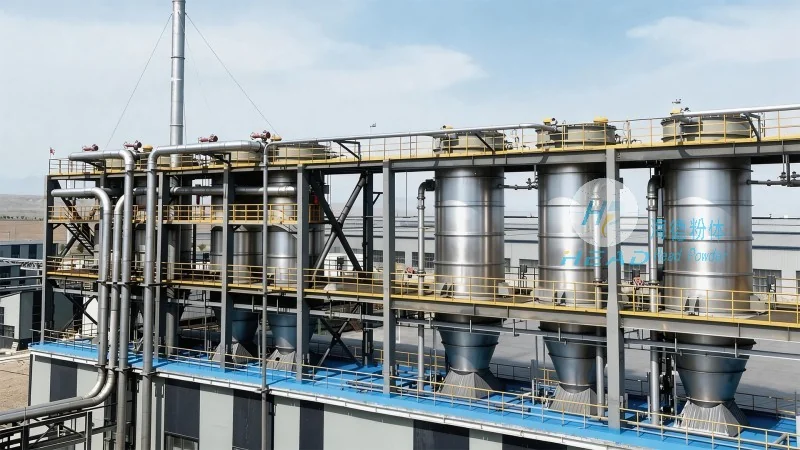
Design Principles and Operational Mechanics
The design of a coffee bean material pneumatic conveying system is guided by several key principles aimed at optimizing performance, energy efficiency, and material integrity. One of the primary design considerations is the selection of appropriate air velocity and pressure levels. The air velocity must be high enough to overcome the resistance of the material in the pipes but not so high as to cause excessive wear on the system components or damage to the coffee beans. Typically, air velocities range from 20 to 30 meters per second for coffee bean transport, depending on the system's configuration and the specific material characteristics.
Another critical design principle is the system's layout and pipe configuration. The layout is designed to minimize the number of bends and changes in direction, as these can cause pressure drops and increase the risk of material accumulation or blockages. The use of smooth, corrosion-resistant pipes, often made of stainless steel or plastic, is essential to prevent material buildup and ensure consistent flow. Additionally, the system may incorporate features like pulse-jet cleaning mechanisms to maintain pipe cleanliness and prevent clogging.

Advantages of Pneumatic Conveying for Coffee Beans
Compared to traditional conveying methods, coffee bean material pneumatic conveying systems offer several advantages that make them ideal for coffee processing facilities. First, they provide a dust-free and hygienic environment, which is critical for maintaining the quality and safety of coffee products. The enclosed system prevents contamination from external sources and reduces the risk of cross-contamination between different batches of coffee beans. Second, pneumatic systems are highly flexible, allowing for easy reconfiguration of the conveying network to accommodate changes in production processes or facility layouts. This flexibility is particularly valuable in dynamic coffee processing environments where production needs may vary.
Third, the system offers excellent control over material flow, enabling precise regulation of the speed and volume of coffee bean transport. This control is essential for maintaining consistent product quality and preventing overloading or underloading of downstream processing equipment. Additionally, pneumatic conveying systems are relatively low-maintenance compared to mechanical conveyors, as they have fewer moving parts and are less prone to wear and tear. This reduces downtime and maintenance costs, contributing to overall operational efficiency.

Application in Coffee Processing Facilities
In coffee processing facilities, coffee bean material pneumatic conveying systems are commonly used in various stages of the production process. For example, they are used to transport raw coffee beans from storage silos to roasting machines, ensuring a continuous and controlled supply of beans. They can also be used to move roasted coffee beans from the roaster to packaging lines, maintaining the beans' quality and preventing exposure to air or moisture. Furthermore, the systems are often integrated with other processing equipment, such as decaffeination units or flavoring machines, to facilitate the seamless transfer of coffee beans through different processing stages.
Conclusion
Overall, coffee bean material pneumatic conveying systems represent a sophisticated and efficient solution for handling coffee beans and other granular materials in coffee processing facilities. By leveraging compressed air to transport materials through an enclosed system, these systems offer advantages in terms of hygiene, flexibility, and control that are essential for maintaining high-quality coffee products. The design principles, including appropriate air velocity, system layout, and component selection, are critical to ensuring the system operates effectively and reliably. As a result, such systems are a valuable investment for coffee processing companies seeking to enhance their operational efficiency and product quality. Shandong HeadPowder Engineering Co., Ltd., with its expertise in material handling technology, provides tailored solutions to meet the specific needs of coffee processing facilities, ensuring optimal performance and long-term reliability.