

What is a River Sand Material Pneumatic Conveying Line? What are its Design Principles?
For industries dealing with bulk materials like river sand, efficient and reliable material handling systems are crucial. A river sand material pneumatic conveying line is a specialized system designed to transport sand and similar granular materials through a pipeline using air pressure or vacuum. This technology offers a solution to the challenges of transporting heavy, abrasive, or dusty materials over long distances without the need for mechanical components like belts or buckets.

Company Introduction: HeadPowder Engineering
HeadPowder, formally known as Shandong HeadPowder Engineering Co., Ltd., is a leading provider of engineering solutions for material handling and processing. With a base in Shandong, China, the company specializes in designing and manufacturing pneumatic conveying systems tailored to the needs of various industries, including construction, mining, and manufacturing. HeadPowder’s expertise lies in creating robust, efficient, and cost-effective solutions that enhance productivity and safety in material handling operations.
Design Principles of Pneumatic Conveying Systems
The core design principle of a pneumatic conveying line is the use of air as the conveying medium. The system operates by creating a pressure differential (either positive or negative) to move material through the pipeline. In positive pressure systems, air is forced through the pipeline at a high velocity, carrying the material particles along. Negative pressure systems, also known as suction systems, create a vacuum that draws material into the pipeline. The choice between these systems depends on factors such as material characteristics, distance, and system layout.
Key Components and Their Functions
A typical pneumatic conveying line consists of several key components, each playing a critical role in the overall operation. These include:
1. Feeder: The feeder is responsible for feeding the material into the conveying line at a controlled rate. It ensures a consistent flow of material, preventing blockages and maintaining system efficiency. For river sand, which can be abrasive, high-quality feeders with wear-resistant materials are essential to prolong the system's lifespan.
2. Conveying Line: The pipeline itself, usually made of stainless steel or other corrosion-resistant materials, forms the main path for material transport. The diameter and length of the line are carefully designed to accommodate the material's flow characteristics and the required conveying distance. For river sand, which may contain moisture or fine particles, the line's material and design must prevent clogging and ensure smooth flow.
3. Air Compressor or Vacuum Pump: This component generates the necessary air pressure or vacuum to move the material. The choice of equipment depends on the system's pressure requirements and the material's properties. For river sand, which is dense and heavy, a high-capacity compressor or pump is often required to maintain sufficient air velocity to prevent material settling.
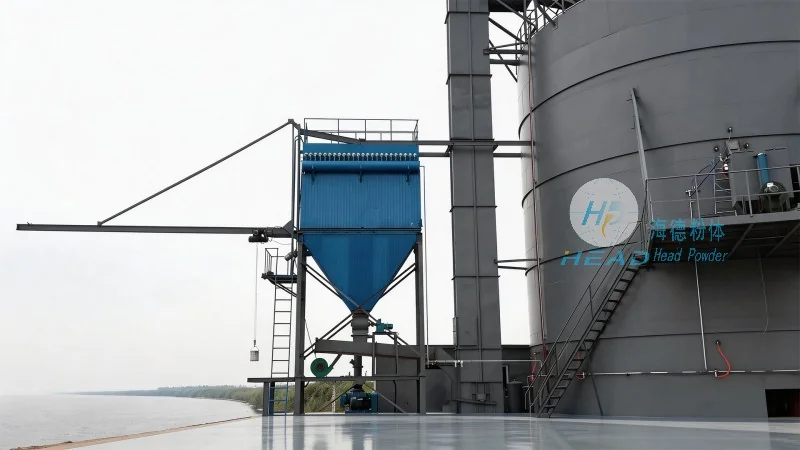
4. Separators and Filters: These components are used to separate the material from the air at the end of the conveying line. Separators use gravity or centrifugal force to drop the material, while filters remove fine particles from the air, preventing dust contamination and ensuring compliance with environmental regulations. For river sand, which may have fine particles, efficient separators and filters are crucial to maintain air quality and protect downstream equipment.
5. Control System: The control system monitors and regulates the operation of the conveying line, including the feeder speed, air pressure, and material flow. It ensures that the system operates within safe and efficient parameters, preventing overloading or underloading. For river sand applications, the control system may include sensors to detect material levels and air pressure, providing real-time feedback for optimal performance.
Advantages of Pneumatic Conveying for River Sand
Implementing a pneumatic conveying line for river sand offers several advantages over traditional mechanical conveying methods. These include:
1. Reduced Maintenance: Unlike belt conveyors or bucket elevators, pneumatic systems have fewer moving parts, reducing the risk of mechanical failure and lowering maintenance costs. The absence of belts or chains also eliminates the need for regular tensioning and replacement.

2. Improved Safety: Pneumatic conveying systems are enclosed, preventing dust emissions and reducing the risk of accidents caused by moving parts. This is particularly important for river sand, which can be dusty and pose health hazards if not handled properly.
3. Flexibility in Layout: The system can be easily reconfigured or expanded to accommodate changes in production needs or facility layout. The flexible pipeline design allows for vertical, horizontal, or combination of both conveying paths, making it suitable for complex plant layouts.
4. Energy Efficiency: Modern pneumatic conveying systems are designed to be energy-efficient, using only the necessary air pressure to move the material. This reduces energy consumption compared to traditional methods, leading to lower operational costs.
5. Hygienic and Clean Operation: The enclosed system prevents contamination from external sources and keeps the material clean, which is essential for applications where material purity is critical, such as in the construction industry.
Conclusion
A river sand material pneumatic conveying line is a sophisticated and efficient solution for transporting granular materials like river sand. By leveraging the principles of air pressure or vacuum, these systems offer numerous benefits, including reduced maintenance, improved safety, and flexibility. HeadPowder Engineering, with its expertise in material handling, provides tailored solutions that meet the specific needs of clients, ensuring optimal performance and reliability in their material processing operations.