

What is an Electric Moulding Powder Material Pneumatic Conveying Equipment? And What Are Its Design
For industries dealing with electric moulding powder, the efficient and reliable transport of this material is crucial. Pneumatic conveying systems have emerged as a preferred solution, offering a method to move powders like electric moulding powder through a pipeline using air pressure. This article explores the concept of electric moulding powder material pneumatic conveying equipment and delves into its underlying design principles, highlighting the technology's importance in modern material handling.

Electric moulding powder, also known as phenolic resin powder, is a key raw material in the manufacturing of various products, including electrical components, automotive parts, and industrial tools. Its handling requires specialized equipment due to the powder's properties, such as fine particle size, potential for static charge, and sensitivity to moisture. Traditional methods like manual handling or mechanical conveyors may not be sufficient to maintain material integrity and operational efficiency. Pneumatic conveying equipment addresses these challenges by providing a closed system that minimizes contamination, dust exposure, and material degradation.
The design of such equipment for electric moulding powder must consider several factors to ensure optimal performance. These include the powder's flow characteristics, particle size distribution, moisture content, and the need to prevent static buildup, which can lead to material bridging or blockages.

The design principles of electric moulding powder pneumatic conveying equipment revolve around creating a balanced pressure and flow environment. Two primary types of pneumatic conveying systems are commonly used: pressure and vacuum. Pressure systems use compressed air to push the material through the pipeline, while vacuum systems use a vacuum to draw the material. For electric moulding powder, pressure systems are often preferred due to their ability to handle higher material loads and maintain consistent flow rates. The equipment must be designed to handle the specific properties of the powder, such as its low bulk density and potential for caking, ensuring that the conveying process remains smooth and efficient.
Key components of an electric moulding powder pneumatic conveying system include the feed hopper, which is equipped with a feeder to control the material flow rate. The feeder may be a rotary valve or a screw feeder, depending on the system design. The conveying line is usually made of materials resistant to the powder's chemical properties, such as stainless steel or plastic, to prevent corrosion and material contamination. The separation unit, often a cyclone or a bag filter, is used to separate the material from the air stream, ensuring that the powder is collected in a clean and dry state. The dust collection system, including filters and a fan, helps maintain air quality and comply with environmental regulations.

One of the critical design considerations is the prevention of static electricity. Electric moulding powder is prone to generating static charge during handling, which can cause material accumulation and blockages in the conveying system. To mitigate this, the equipment is often grounded and equipped with anti-static additives or materials. Additionally, the system may include a humidifier to increase the air's moisture content, reducing static buildup. Proper maintenance of the equipment, including regular cleaning and inspection of components, is essential to ensure the system operates efficiently and safely.
Shandong HeadPowder Engineering Co., Ltd., a leading manufacturer in the field, specializes in designing and manufacturing pneumatic conveying equipment tailored to the needs of electric moulding powder industries. With years of experience and a commitment to quality, the company provides customized solutions that meet the specific requirements of clients. The company's facilities are located in Shandong, China, where it leverages advanced technology and skilled engineering to develop innovative solutions for material handling challenges. By focusing on the unique properties of electric moulding powder, HeadPowder ensures that its equipment delivers reliable performance, high efficiency, and minimal downtime.
The design principles of HeadPowder's electric moulding powder pneumatic conveying equipment are based on a deep understanding of the material's behavior and the operational demands of the industry. The company's engineers work closely with clients to assess their specific needs, including the volume of material to be conveyed, the distance of transport, and the required material quality standards. This collaborative approach ensures that the final equipment is optimized for performance and longevity. HeadPowder's equipment is designed to be easy to install and maintain, with modular components that allow for quick replacement of parts and minimal disruption to production.
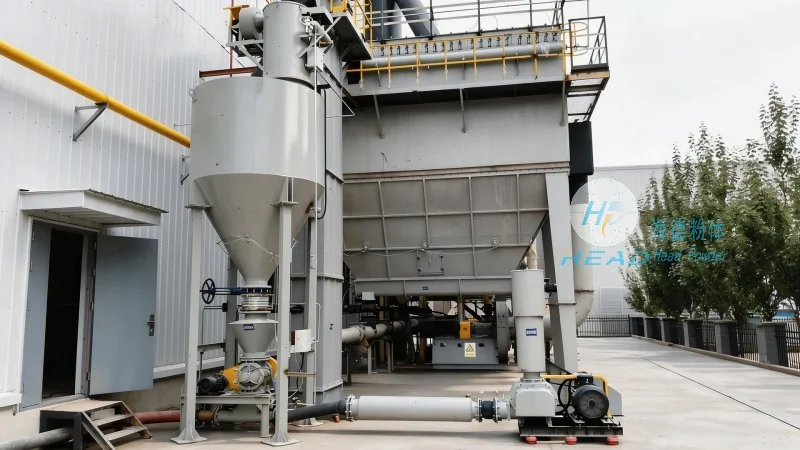
For industries relying on electric moulding powder, investing in a well-designed pneumatic conveying system is a strategic decision that enhances operational efficiency and product quality. The equipment not only improves the handling of the material but also contributes to a safer working environment by reducing dust exposure and the risk of fire due to static charge. As a result, companies that adopt pneumatic conveying systems for electric moulding powder often experience increased productivity, reduced material waste, and improved overall operational performance.
In conclusion, electric moulding powder material pneumatic conveying equipment is a vital component in the modern material handling landscape. Its design principles, centered on efficient air flow, material compatibility, and safety considerations, ensure that the transport of electric moulding powder is reliable and effective. Companies like Shandong HeadPowder Engineering Co., Ltd. play a crucial role in providing tailored solutions that meet the specific needs of the industry, helping businesses achieve their operational goals while maintaining high standards of quality and safety.