

Pulse Jet Dust Collector Material Pneumatic Conveying System: What It Is and Its Design Principles
Understanding the pulse jet dust collector material pneumatic conveying system is crucial for industries that rely on efficient material handling and air filtration. This system integrates advanced filtration technology with pneumatic conveying capabilities, offering a comprehensive solution for managing dust-laden materials while ensuring clean air output. The following sections will delve into the core components, operational principles, and design considerations of this system, providing a detailed overview for professionals in material processing and environmental control.

Core Components of the Pulse Jet Dust Collector Material Pneumatic Conveying System
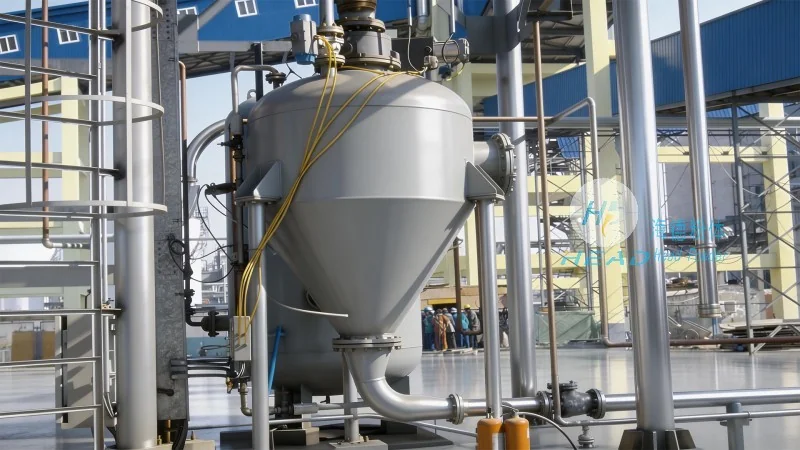
The pulse jet dust collector material pneumatic conveying system comprises several key components that work in tandem to achieve optimal performance. The primary components include the dust collector housing, filter bags, pulse jet valves, air supply system, and the pneumatic conveying pipeline. The dust collector housing is typically constructed from durable materials such as stainless steel or high-grade carbon steel, designed to withstand the abrasive nature of the conveyed materials and the pressure differentials involved in the process. Inside the housing, a bank of filter bags is arranged vertically or horizontally, depending on the system design. These filter bags are made from specialized fabrics, often with anti-static and high-temperature resistance properties, to effectively capture fine particles from the air stream. The pulse jet valves are strategically positioned to deliver short bursts of compressed air into the filter bags, causing them to contract and release accumulated dust, a process known as "pulsing." This mechanism ensures continuous cleaning of the filter bags without the need for continuous air flow, enhancing energy efficiency. The air supply system, usually a blower or compressor, generates the necessary pressure to move the material through the conveying pipeline. The pipeline is made from corrosion-resistant materials like PVC or metal, with appropriate fittings and valves to control the flow direction and pressure. Together, these components form a robust system capable of handling a wide range of materials, from powders to granules, while maintaining high filtration efficiency.
Design Principles and Operational Mechanism
The design principles of the pulse jet dust collector material pneumatic conveying system are centered on balancing filtration efficiency, material handling capacity, and energy consumption. The system operates on the principle of creating a pressure differential between the inlet and outlet of the dust collector. As the material is conveyed through the pipeline, it is introduced into the dust collector, where the air stream passes through the filter bags, trapping particulate matter. The collected dust accumulates on the filter bag surface, gradually reducing the filtration efficiency over time. To maintain efficiency, the pulse jet system employs a controlled sequence of compressed air pulses. Each pulse is delivered at a specific pressure and duration, causing the filter bags to vibrate and dislodge the dust, which then falls into the hopper at the bottom of the collector. The hopper is equipped with a discharge mechanism, such as a rotary valve or gate, to remove the collected dust. The pneumatic conveying pipeline is designed with appropriate bends and fittings to minimize pressure losses and ensure smooth material flow. The system's design also considers the material's properties, such as particle size, moisture content, and abrasiveness, to select the appropriate filter media and pipeline diameter. For example, abrasive materials may require reinforced filter bags and larger diameter pipelines to prevent wear and tear. The control system, often integrated with sensors and automation, monitors the pressure drop across the filter bags and adjusts the pulse frequency and duration as needed, ensuring optimal performance under varying operating conditions.

Advantages and Applications
The pulse jet dust collector material pneumatic conveying system offers several advantages that make it suitable for diverse industrial applications. One of the key benefits is its high filtration efficiency, typically exceeding 99% for fine particles, which is essential for meeting environmental regulations and maintaining workplace safety. The system's self-cleaning mechanism, driven by the pulse jet valves, reduces downtime and maintenance costs compared to traditional filtration systems that require manual cleaning. Additionally, the pneumatic conveying capability allows for the transport of materials over long distances with minimal loss and contamination, making it ideal for processes that require material transfer between different locations within a facility. The system is widely used in industries such as cement, pharmaceuticals, food processing, and chemical manufacturing, where dust control and material handling are critical. For instance, in cement production, the system can handle raw materials and finished products, while in pharmaceuticals, it ensures the transport of powders without cross-contamination. The flexibility of the system to handle various materials and its ability to integrate with existing production lines make it a preferred choice for many manufacturers.

Company Overview: Shandong HeadPowder Engineering Co., Ltd.
Shandong HeadPowder Engineering Co., Ltd., commonly known as HeadPowder, is a leading manufacturer and supplier of advanced material handling and air filtration systems. With a strong focus on innovation and quality, the company has established itself as a trusted partner for industries seeking reliable solutions for dust control and material processing. HeadPowder's expertise lies in the design, manufacturing, and installation of pulse jet dust collector material pneumatic conveying systems, as well as other related equipment such as bag houses, cartridge filters, and dust collection systems. The company adheres to international standards and employs a team of experienced engineers and technicians who work closely with clients to understand their specific needs and provide customized solutions. HeadPowder's facilities are equipped with state-of-the-art technology and rigorous quality control measures to ensure that every product meets the highest standards of performance and durability. The company's commitment to customer satisfaction and technical support has earned it a reputation for excellence in the industry. HeadPowder serves clients across China and internationally, providing comprehensive services from initial consultation and system design to installation, commissioning, and after-sales support. With a strong presence in the market, HeadPowder continues to innovate and expand its product portfolio to meet the evolving demands of the industry.