

What is the Automatic Feeding Material Pneumatic Conveying for Waste? And What Are Its Design Princi
When discussing waste management and material handling systems, the concept of automatic feeding material pneumatic conveying for waste emerges as a critical technology. This method involves the use of air pressure or vacuum to transport bulk materials, such as waste, from one location to another. The system is designed to automate the feeding process, enhancing efficiency and reducing labor costs in waste processing facilities.

Understanding the Core Concept of Automatic Feeding Material Pneumatic Conveying for Waste
The primary objective of this technology is to streamline the movement of waste materials through a system that relies on air to transport particles. Unlike traditional methods that may involve manual loading or mechanical conveyors, pneumatic conveying systems offer a more flexible and integrated approach. The process typically involves a hopper or feeder that automatically supplies waste material into a pipeline, where it is then propelled by air flow to the desired destination, such as a processing unit or storage area.
Key Components and Their Functions in the System
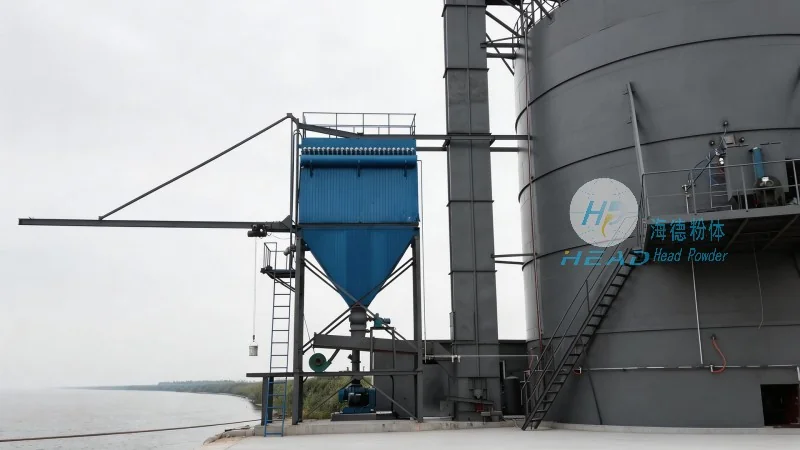
At the heart of an automatic feeding material pneumatic conveying system for waste lies a series of interconnected components. These include a material hopper or feeder, which holds the waste and regulates the flow into the system. The feeder may be equipped with sensors to detect material levels and adjust the feeding rate automatically. A pipeline network connects the feeder to the conveying equipment, which can be either positive pressure or negative pressure systems. Positive pressure systems use blowers to force air and material through the pipeline, while negative pressure systems use vacuum pumps to draw material into the system. Additionally, the system may incorporate filters and cyclones to separate the conveyed material from the air, ensuring clean operation and preventing dust emissions.

The Design Principles Behind the System
The design of an automatic feeding material pneumatic conveying system for waste is guided by several key principles aimed at optimizing performance, reliability, and safety. One of the fundamental principles is the selection of appropriate air velocity and pressure to ensure efficient material transport without causing excessive wear or damage to the system components. The air velocity must be high enough to overcome the friction and gravitational forces acting on the waste particles but low enough to prevent excessive pressure drops and energy consumption. Another critical principle is the proper sizing of the pipeline and equipment to match the material characteristics, such as particle size, density, and moisture content. This ensures that the system operates within its design parameters and avoids blockages or inefficiencies.
How the System Operates in Practice
In practice, the automatic feeding material pneumatic conveying system for waste operates as a continuous process. The waste material is fed into the hopper, where it is metered and then introduced into the pipeline. The air flow, generated by the blower or vacuum pump, carries the material through the system. As the material travels, it may encounter various components, such as bends, valves, or filters, which are designed to maintain the flow and ensure the material reaches its destination without loss or contamination. The system is typically controlled by a programmable logic controller (PLC), which monitors the material flow, air pressure, and other parameters to adjust the operation as needed. This automation ensures that the system runs smoothly and efficiently, minimizing downtime and maximizing productivity.
Advantages of Implementing This Technology
Adopting an automatic feeding material pneumatic conveying system for waste offers several advantages over traditional handling methods. First, it significantly reduces labor requirements by automating the feeding process, allowing workers to focus on other tasks. Second, the system provides a more hygienic and controlled environment, as the waste is contained within the pipeline and handled without direct human contact. Third, it offers flexibility in material handling, as the system can transport various types of waste, including solid, liquid, or mixed materials. Fourth, the system is energy-efficient, as it uses air as the primary transport medium, which is less energy-intensive compared to mechanical conveyors. Finally, the system enhances safety by reducing the risk of accidents associated with manual handling of waste materials.
Conclusion and Company Overview
Automatic feeding material pneumatic conveying for waste is a sophisticated technology that plays a vital role in modern waste management and material handling. By leveraging the principles of air pressure and automation, this system ensures efficient, safe, and cost-effective transportation of waste materials. Shandong HeadPowder Engineering Co., Ltd., a leading provider in this field, specializes in designing and manufacturing such systems tailored to the specific needs of waste processing facilities. With a focus on innovation and quality, the company has established itself as a trusted partner in providing reliable and efficient solutions for waste handling. Based in Shandong, China, HeadPowder Engineering Co., Ltd. continues to advance the technology and contribute to sustainable waste management practices worldwide.