

What is a Hydrogen Sulfide Powder Pneumatic Conveying Machine? What is its Design Principle?
Hydrogen sulfide (H₂S) is a highly toxic and corrosive gas commonly found in industrial settings, particularly in the oil and gas, petrochemical, and mining industries. When converted into a powder form, handling and transporting this hazardous material requires specialized equipment to ensure safety, efficiency, and compliance with environmental regulations. The hydrogen sulfide powder pneumatic conveying machine is a critical piece of industrial equipment designed to transport H₂S powder through a pressurized air system. This equipment plays a vital role in maintaining safe material handling practices while optimizing the flow of this hazardous substance.

Company Overview
HeadPowder, a leading manufacturer in the field of powder handling and conveying systems, specializes in developing advanced solutions for challenging material transport applications. With a strong commitment to innovation and safety, HeadPowder, formally known as Shandong HeadPowder Engineering Co., Ltd., based in Shandong, China, has established itself as a trusted partner for industries dealing with hazardous powders. The company's expertise lies in designing and manufacturing equipment that meets stringent safety standards while delivering reliable performance in demanding operational environments.
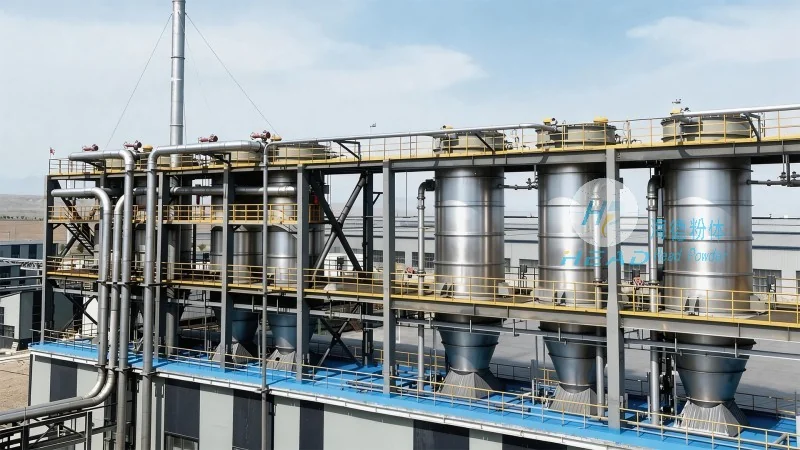
Design Principles of Pneumatic Conveying Systems for Hydrogen Sulfide Powders
The design of a hydrogen sulfide powder pneumatic conveying machine is guided by several key principles to ensure safe and efficient operation. First, the system must be constructed from materials that are resistant to corrosion and chemical attack from H₂S, such as stainless steel or specialized alloys. This prevents contamination and extends the equipment's lifespan. Second, the conveying system operates under positive pressure, which helps to contain the hazardous powder and prevent leaks or spills. The design also incorporates features like explosion-proof components and pressure relief valves to mitigate risks associated with the material's flammability and toxicity.

Key Components and Their Functions
A hydrogen sulfide powder pneumatic conveying machine typically consists of several interconnected components, each playing a crucial role in the overall operation. The hopper or feeder is the primary component where the H₂S powder is loaded. It is designed to maintain a consistent flow of material into the system. The air compressor or blower generates the necessary pressure to move the powder through the pipeline. The pipeline itself is made of durable, corrosion-resistant material to withstand the harsh conditions of H₂S. The control system monitors and regulates the pressure, flow rate, and other operational parameters to ensure smooth and safe transport. Additionally, the system may include filters and cyclones to separate the powder from the air and return it to the hopper for reuse.
Operational Considerations and Safety Measures
Operating a hydrogen sulfide powder pneumatic conveying machine requires strict adherence to safety protocols due to the material's hazardous nature. Personnel must be trained on proper handling procedures, including the use of personal protective equipment (PPE) such as respirators and gloves. The equipment must be regularly inspected and maintained to ensure all components are functioning correctly and that there are no leaks. Emergency shutdown systems are typically integrated into the design to quickly stop the flow of powder in case of an incident. Environmental controls, such as scrubbers or filters, are often employed to minimize the release of H₂S into the atmosphere and comply with regulatory requirements.

Application Scenarios and Benefits
The hydrogen sulfide powder pneumatic conveying machine is widely used in various industrial applications where H₂S powder needs to be transported from one location to another. These applications include the processing of sour gas in oil and gas operations, the handling of H₂S in petrochemical plants, and the transport of H₂S-containing materials in mining and chemical industries. The benefits of using this equipment include improved safety by reducing direct human contact with the hazardous powder, increased efficiency through automated material transport, and cost savings by minimizing material loss and downtime. Additionally, the system's ability to handle large volumes of powder in a controlled manner makes it an essential tool for maintaining operational continuity in industries where H₂S is a critical component.