

What is a Bone Powder Material Handling Conveyor? What Are Its Design Principles?
For those in the animal feed or fertilizer production industry, understanding the role of bone powder material handling conveyors is crucial. These systems are designed to efficiently transport bone powder, a key ingredient in many animal feed formulations and organic fertilizers. The design principles behind these conveyors are tailored to handle the unique properties of bone powder, ensuring safe, efficient, and hygienic material transport. This article explores the components, operational principles, and design considerations of bone powder material handling conveyors, with a focus on the expertise of Shandong HeadPowder Engineering Co., Ltd., a leading manufacturer in this field.

Introduction to Bone Powder Material Handling Conveyors
Bone powder, derived from animal bones through a process of grinding and processing, is a valuable raw material used in the production of animal feed supplements and organic fertilizers. Due to its fine particle size and potential for dust generation, specialized conveyor systems are required to handle this material safely and effectively. A bone powder material handling conveyor is a mechanized system designed to transport bone powder from storage silos or processing units to mixing or packaging areas. These conveyors are engineered to minimize dust exposure, prevent material degradation, and ensure consistent flow rates, which are critical for maintaining product quality and operational efficiency.
Key Components of a Bone Powder Conveyor System
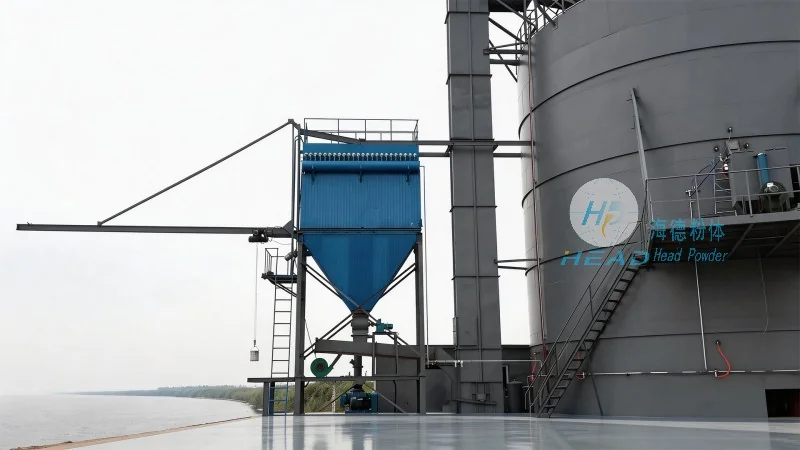
The effectiveness of a bone powder conveyor system depends on several key components that work in tandem to ensure smooth operation. The primary components include a hopper or storage bin for material collection, a feeding mechanism (such as a rotary valve or screw feeder) to control the flow of bone powder, a conveyor belt or screw conveyor for horizontal or vertical transport, and a control system to regulate speed and direction. Additionally, many systems incorporate dust collection and filtration equipment to maintain a clean working environment and comply with safety regulations. The choice of materials for these components is critical; for instance, stainless steel or food-grade plastics are often used to prevent contamination and ensure durability in environments where bone powder may be acidic or corrosive.

Design Principles for Efficient Bone Powder Transport
The design of a bone powder conveyor is guided by several key principles aimed at optimizing performance and safety. One of the most important principles is the prevention of material buildup and blockages, which can occur due to the fine nature of bone powder. This is achieved through the use of smooth, non-stick surfaces on conveyor components and the incorporation of cleaning mechanisms, such as scrapers or brushes, to remove any accumulated material. Another critical design principle is the management of dust and airborne particles. Conveyors often feature enclosed or semi-enclosed designs with integrated dust collection systems to capture and filter airborne bone powder, reducing the risk of inhalation by operators and minimizing environmental contamination.
Energy efficiency is also a key design consideration. Modern bone powder conveyors are designed to minimize power consumption while maintaining high throughput. This is achieved through the use of variable frequency drives (VFDs) that adjust motor speed based on the load, reducing energy waste during low-demand periods. Additionally, the design of the conveyor system, including the angle of inclination and the type of conveyor (e.g., belt vs. screw), is optimized to reduce friction and improve material flow, further enhancing energy efficiency.
Operational Considerations and Safety Features
Operational safety is paramount in the design and use of bone powder conveyors. These systems are equipped with various safety features to protect operators and prevent accidents. For example, emergency stop buttons are typically installed at multiple points along the conveyor line, and interlocks are used to prevent access to moving parts during operation. Additionally, the conveyor system may include sensors to detect blockages or overloads, triggering automatic shutdowns to prevent damage to equipment or material loss. Hygiene is another critical operational consideration, especially in food and feed production. The conveyor components are designed to be easily cleaned and sanitized, with smooth surfaces and minimal crevices where material can accumulate and harbor bacteria. This is particularly important in environments where bone powder is used in animal feed, as product safety is a top priority.

Applications and Industry Impact
Bone powder material handling conveyors are widely used in the animal feed and organic fertilizer industries. In animal feed production, these systems transport bone powder to mixing facilities where it is combined with other ingredients to create balanced feed formulations. In fertilizer production, bone powder is used as a source of phosphorus and calcium, and the conveyor system ensures that it is efficiently blended with other components to create high-quality organic fertilizers. The efficiency of these conveyors directly impacts production throughput and product quality. By ensuring consistent material flow and minimizing downtime due to blockages or maintenance, the conveyor system helps manufacturers maintain high production rates and meet customer demand.
Conclusion and Company Overview
In summary, bone powder material handling conveyors are essential equipment for industries that rely on bone powder as a raw material. The design principles behind these systems prioritize efficiency, safety, and hygiene, ensuring that bone powder is transported in a manner that maintains its quality and protects operators. Shandong HeadPowder Engineering Co., Ltd., a leading manufacturer in this field, specializes in the design and production of high-quality bone powder conveyors. With a focus on customer needs and adherence to industry standards, HeadPowder provides customized conveyor solutions that meet the specific requirements of its clients. Based in Shandong, China, HeadPowder leverages its expertise and experience to deliver reliable and efficient material handling systems that enhance productivity and safety in the animal feed and fertilizer sectors.