

What Are Alumina Material Handling Equipment? And What Are Their Design Principles?
Alumina material handling equipment plays a crucial role in various industrial processes, particularly in environments where high purity and durability are essential. These specialized systems are engineered to transport and manage alumina, a key raw material used in the production of ceramics, refractory materials, and other high-value products. Understanding the design principles behind these equipment is vital for optimizing operational efficiency and ensuring product quality.

Introduction to Alumina Material Handling Equipment
Alumina, or aluminum oxide (Al₂O₃), is a white crystalline solid with exceptional chemical and physical properties, including high hardness, thermal stability, and resistance to corrosion. In industrial settings, alumina is often handled in bulk quantities, requiring robust and precise material handling solutions. The equipment designed for this purpose must adhere to stringent standards to prevent contamination, maintain material integrity, and ensure safe operation. This article explores the types of alumina material handling equipment and the fundamental design principles that govern their functionality.
Key Components and Design Principles
The design of alumina material handling equipment is centered on several critical principles to address the unique challenges of handling this abrasive and high-value material. First, the equipment must be constructed from materials that can withstand the mechanical and chemical stresses associated with alumina. Common materials include stainless steel, high-grade alloys, and specialized coatings that resist wear and corrosion. This ensures longevity and minimal maintenance, which are essential for maintaining production continuity.
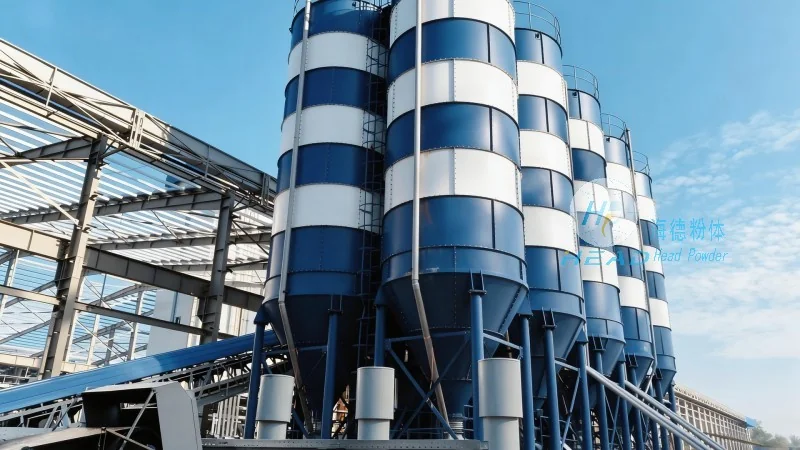
Second, the equipment is engineered for minimal material contact and contamination. Alumina is highly sensitive to impurities, which can affect the quality of downstream products. Therefore, the design incorporates features such as smooth, non-porous surfaces, sealed components, and specialized sealing mechanisms to prevent cross-contamination. For example, conveyor systems may use food-grade or industrial-grade belts with low friction coefficients to avoid particle adhesion, while storage silos are equipped with air filtration systems to maintain a clean environment.
Third, the design prioritizes efficiency and reliability. Alumina material handling equipment often operates in continuous production lines, where downtime can lead to significant financial losses. To address this, the systems are designed with redundant components, advanced control systems, and predictive maintenance features. This ensures that the equipment can operate at optimal performance levels while minimizing the risk of breakdowns. Additionally, the design considers energy efficiency, as alumina handling processes can be energy-intensive. Modern equipment incorporates energy-saving technologies, such as variable frequency drives (VFDs) and optimized motor designs, to reduce operational costs.

Types of Alumina Material Handling Equipment
There are several types of alumina material handling equipment, each tailored to specific operational needs. The most common types include belt conveyors, screw conveyors, bucket elevators, and pneumatic conveying systems. Each type has its own advantages and is selected based on factors such as the volume of material to be handled, the distance of transport, and the required speed of operation.
Belt conveyors are widely used for horizontal and slight incline transport of alumina. They are known for their high capacity and ability to handle large volumes of material. The design typically includes heavy-duty belts made from materials like rubber or PVC, supported by robust idlers and pulleys. The conveyor system is equipped with tensioning mechanisms to maintain proper belt alignment and prevent slippage, which is crucial for handling abrasive alumina.
Screw conveyors, also known as auger conveyors, are ideal for vertical or inclined transport of alumina. They consist of a rotating screw inside a cylindrical housing, which moves the material along the length of the conveyor. This type of equipment is particularly useful in applications where space is limited or where a vertical lift is required. The design of screw conveyors includes features such as flights on the screw to prevent material from slipping back, and a discharge mechanism at the end of the conveyor to ensure smooth material release.
Bucket elevators are used for vertical transport of alumina over longer distances. They consist of a series of buckets attached to a chain or belt, which moves the material up a vertical or inclined track. This equipment is highly efficient for transporting large quantities of alumina vertically, often used in industrial plants where vertical space is available. The design includes a drive system at the bottom to rotate the buckets and a discharge chute at the top to release the material into a storage or processing area.
Pneumatic conveying systems use air or other gases to transport alumina in a closed system. This method is particularly useful for handling fine or powdery alumina, as it prevents dust and contamination. The system typically includes a hopper, a blower, and a pipeline network. The design focuses on maintaining consistent air pressure and flow rates to ensure efficient material transport. Pneumatic conveyors are often preferred in applications where dust control is critical, such as in food or pharmaceutical industries, though they may require more energy compared to mechanical systems.
Application and Operational Considerations
Alumina material handling equipment is used in a variety of industrial applications, including the production of refractory bricks, ceramics, and high-purity alumina powders. The choice of equipment depends on the specific requirements of each application. For example, in the production of refractory materials, belt conveyors and screw conveyors are commonly used to transport raw alumina from storage to processing lines. In the production of high-purity alumina powders, pneumatic conveying systems are often employed to minimize contamination and ensure consistent particle size distribution.
Operational considerations for alumina material handling equipment include material flow rate, particle size, and moisture content. The equipment must be designed to handle the specific characteristics of the alumina being processed. For instance, if the alumina has a high moisture content, the system may include drying mechanisms to reduce moisture before processing. Similarly, if the particle size is very fine, the equipment may need to incorporate features to prevent clogging, such as vibration or air-assisted discharge mechanisms.
Regular maintenance is also critical for the efficient operation of alumina material handling equipment. This includes inspecting components for wear and tear, lubricating moving parts, and cleaning the system to prevent buildup of alumina particles. The design of the equipment often incorporates easy access points for maintenance, such as removable covers and accessible drive systems, to minimize downtime during maintenance activities.
Conclusion
Alumina material handling equipment is a critical component in industries that rely on high-purity and durable materials. The design principles behind these systems focus on durability, contamination control, efficiency, and reliability. By understanding the key components and operational considerations, industries can select and maintain the appropriate equipment to optimize their production processes. As technology advances, the design of alumina material handling equipment continues to evolve, incorporating more advanced materials and control systems to meet the growing demands of industrial applications.