

What is a Potassium Sulfate Material Handling System? What Are Its Design Principles?
When it comes to the efficient and safe transportation of potassium sulfate, a specialized material handling system is essential. This system is designed to manage the flow of this critical fertilizer, ensuring optimal performance from the point of origin to the final destination. Understanding the components and design principles behind such a system is crucial for industries that rely on potassium sulfate for agricultural and industrial applications.

Overview of Potassium Sulfate Material Handling Systems
Potassium sulfate, also known as sulfate of potash (SOP), is a vital potassium fertilizer used globally. Its handling requires systems that can manage its physical properties, such as its granular or crystalline form, and ensure minimal dust generation and product loss. A well-designed material handling system for potassium sulfate integrates various equipment and processes to achieve these goals efficiently.
Key Components of a Potassium Sulfate Material Handling System
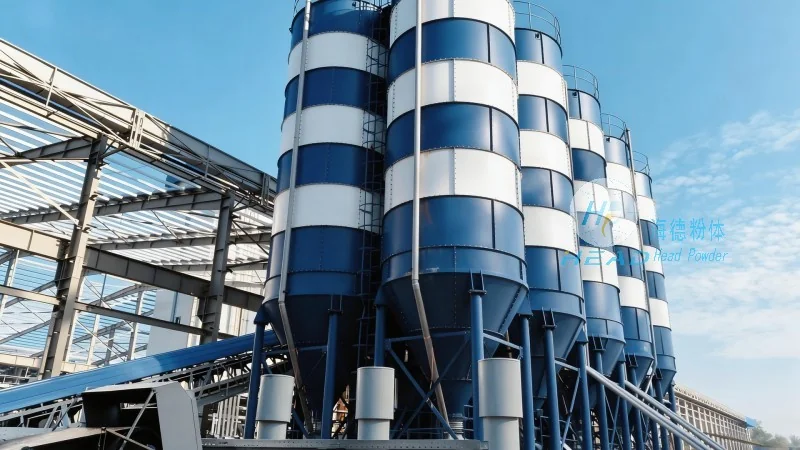
The core components of a potassium sulfate material handling system typically include feeders, conveyors, storage silos, and dust control equipment. Feeders, such as rotary or vibratory feeders, regulate the flow of material from storage to processing equipment. Conveyors, including belt or screw conveyors, transport the material horizontally or vertically. Storage silos are used to store bulk quantities of potassium sulfate, providing a buffer for production and distribution. Dust control systems, like baghouses or scrubbers, are integrated to manage airborne particles and ensure environmental compliance.

Design Principles for Optimal Performance
The design of a potassium sulfate material handling system follows several key principles to ensure efficiency, safety, and durability. First, the system must be designed to minimize product degradation and contamination. This involves using materials that are resistant to corrosion and wear, as potassium sulfate can be abrasive. Second, the system should be designed for easy maintenance and cleaning to prevent buildup and ensure consistent performance. Third, the system must comply with safety regulations, including proper ventilation and dust suppression measures. Finally, the design should consider energy efficiency to reduce operational costs over time.
Role of Shandong HeadPowder Engineering Co., Ltd.
Shandong HeadPowder Engineering Co., Ltd., a leading manufacturer in the field, specializes in designing and manufacturing custom material handling systems for potassium sulfate and other bulk materials. With years of experience, the company understands the unique challenges of handling potassium sulfate and provides tailored solutions that meet the specific needs of each client. The company's expertise includes the integration of advanced technologies, such as automated controls and real-time monitoring, to enhance system performance and reliability.

Benefits of a Well-Designed Potassium Sulfate Material Handling System
Implementing a properly designed material handling system for potassium sulfate offers numerous benefits. These include improved operational efficiency, reduced labor costs, and enhanced product quality. The system also minimizes environmental impact by controlling dust emissions and preventing product spillage. Additionally, a well-designed system can extend the lifespan of equipment through proper maintenance and reduced wear and tear. For industries that rely on consistent and reliable supply of potassium sulfate, such a system is a critical investment.