

What is Fully Automatic Material Feeding? What are the Design Principles?
Understanding the intricacies of fully automatic material feeding systems is crucial for industries that rely on precise and efficient material handling. These systems have revolutionized the way raw materials are processed, ensuring consistency and reducing human error in various manufacturing and processing applications. The design principles behind such systems are built on a foundation of precision engineering, automation technology, and robust control mechanisms.
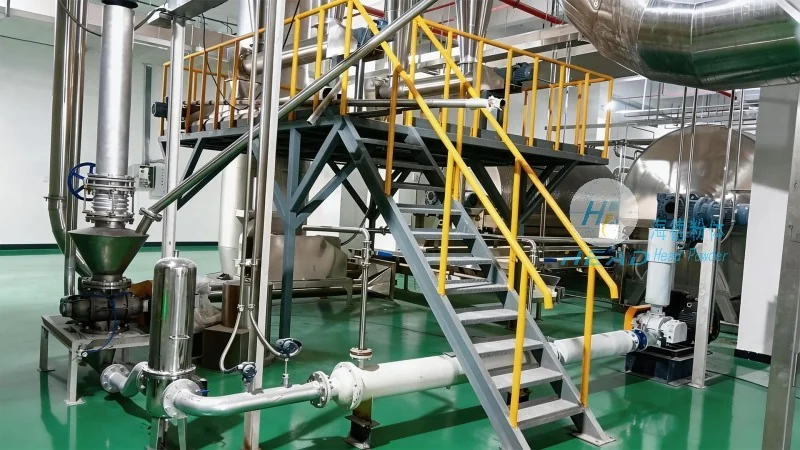
What is Fully Automatic Material Feeding?
Fully automatic material feeding refers to the process of transporting, measuring, and dispensing raw materials into processing equipment without manual intervention. This technology is integral to industries like pharmaceuticals, food processing, chemical manufacturing, and bulk material handling. The system typically involves sensors, conveyors, dosing mechanisms, and control software that work in tandem to achieve accurate and repeatable material delivery. By automating the feeding process, businesses can enhance productivity, maintain product quality, and improve overall operational efficiency.
Key Components of the System
The effectiveness of a fully automatic material feeding system hinges on its key components. These include material hoppers or silos for storage, conveyor belts or screw conveyors for transport, weighing or volumetric dosing units for precise measurement, and control panels or programmable logic controllers (PLCs) for system management. Additionally, sensors such as level detectors, position sensors, and load cells are used to monitor and adjust the feeding process in real-time. Each component is meticulously designed to work together, ensuring seamless material flow from storage to the processing stage.

Design Principles Behind the Material Feeding Process
The design principles of fully automatic material feeding systems prioritize several critical factors. First, precision is paramount, as even minor deviations in material quantity can impact product quality and consistency. Therefore, the system incorporates advanced measurement technologies, such as gravimetric or volumetric dosing, to achieve high accuracy. Second, reliability is essential, as these systems operate continuously in industrial environments. Robust construction, durable materials, and redundant safety features are incorporated to minimize downtime and ensure long-term performance. Third, flexibility is a key design consideration, allowing the system to accommodate different material types, sizes, and processing requirements. Modular designs and adjustable parameters enable easy customization for various applications.
The Role of Precision in Material Handling
Precision is the cornerstone of effective material handling in automated systems. The dosing mechanisms, whether based on weight or volume, must be calibrated to deliver materials within tight tolerances. This precision is achieved through high-resolution sensors and advanced control algorithms that adjust the feeding rate in real-time based on feedback from the system. For example, in pharmaceutical manufacturing, where dosage accuracy is critical, fully automatic feeding systems ensure that each batch of raw material is measured and dispensed with minimal variation. This level of precision not only meets regulatory standards but also enhances the overall quality of the final product.

Application Scenarios in Industrial Settings
Fully automatic material feeding systems find widespread application across various industrial sectors. In the food industry, they are used for processing ingredients like flour, sugar, and spices, ensuring consistent flavor and texture in final products. In the chemical industry, these systems handle bulk chemicals, preventing contamination and maintaining safety standards. The pharmaceutical sector relies on them for precise dosing of active ingredients, which is vital for drug efficacy and patient safety. Additionally, in the cement and construction materials industry, fully automatic feeding systems optimize the mixing of raw materials, improving the quality and consistency of concrete and other building materials.
Shandong HeadPowder Engineering Co., Ltd., a leading provider of material handling solutions, specializes in designing and manufacturing fully automatic material feeding systems tailored to the specific needs of different industries. With a focus on precision engineering and customer-centric solutions, the company has established itself as a trusted partner in enhancing operational efficiency and product quality for its clients. Headquartered in Shandong, China, the company leverages advanced technology and industry expertise to deliver reliable and efficient material feeding solutions that meet the highest standards of performance and safety.