

What Are Lightweight Micropowder Material Handling Equipment? And What Are Their Design Principles?
Efficiently transporting lightweight micropowders requires specialized equipment designed to address the unique challenges of handling fine, low-density materials. This article explores the essential aspects of lightweight micropowder material handling equipment, including their core design principles and the technology that enables reliable operation.

Understanding Lightweight Micropowder Material Handling Equipment
Lightweight micropowder material handling equipment is engineered to manage the transport of delicate powders such as pharmaceuticals, food additives, and industrial chemicals. These materials are characterized by their light weight and tendency to flow or settle unevenly in conventional systems. The equipment must overcome challenges like dust generation, particle segregation, and product degradation during transport, ensuring consistent quality and minimal waste.
Key Design Principles for Micropowder Handling Systems
The design of lightweight micropowder handling equipment is guided by several critical principles to ensure optimal performance. First, the system minimizes air resistance and friction through smooth, low-friction surfaces and specialized conveying mechanisms, preventing powder agglomeration and maintaining uniform flow. Second, advanced sealing and dust containment features are integrated to prevent product loss and environmental contamination. Third, energy efficiency is prioritized, with systems engineered to use minimal power while achieving high throughput rates. These principles collectively ensure that the equipment can handle delicate micropowders without compromising their integrity or quality.
Core Components and Technologies in Micropowder Handling
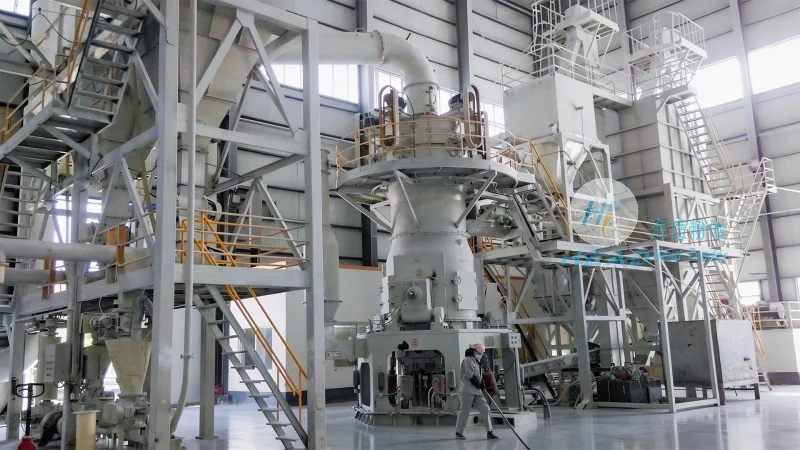
At the heart of lightweight micropowder material handling equipment are key components and technologies that work in synergy to achieve efficient transport. Air-assisted conveying systems utilize low-pressure air to move powders through pipelines, effectively reducing particle breakage and maintaining consistent flow. Flexible hoses and adjustable valves provide precise control over flow rate and direction. Additionally, vibration or agitation mechanisms prevent caking and ensure continuous particle movement. These components are engineered to operate seamlessly, delivering reliable performance for various industrial applications.

Applications and Industries Benefiting from Micropowder Handling
Lightweight micropowder handling equipment is widely utilized across multiple industries where fine powders are critical. In the pharmaceutical sector, these systems are essential for transporting active pharmaceutical ingredients (APIs) and excipients with high precision, meeting strict quality standards. The food and beverage industry relies on them for handling additives, flavorings, and colorants, ensuring product safety and consistency. Chemical and industrial sectors also benefit from these systems for transporting catalysts, pigments, and other specialized powders, supporting manufacturing processes that require consistent material flow. The versatility of lightweight micropowder handling equipment makes it indispensable for businesses in these industries.

Advantages of Choosing Lightweight Micropowder Handling Equipment
Investing in lightweight micropowder material handling equipment offers significant advantages for businesses. Improved product quality and consistency are primary benefits, as the equipment minimizes particle segregation and agglomeration. Operational efficiency is enhanced through high throughput rates and minimal downtime. Labor costs are reduced by automating material transport, allowing workers to focus on other tasks. Advanced sealing and dust control features also improve workplace safety and compliance with environmental regulations. Overall, these systems lead to better performance, higher product quality, and cost savings for companies.
Conclusion: Specialized Solutions for Micropowder Handling
In summary, lightweight micropowder material handling equipment is vital for modern industrial processes, particularly for industries dealing with fine, low-density powders. The design principles and technologies incorporated into these systems address the unique challenges of micropowder transport, ensuring efficient, reliable, and safe handling. By understanding the core components and advantages, businesses can make informed decisions to optimize their material handling operations. For companies seeking reliable solutions, Shandong HeadPowder Engineering Co., Ltd. provides specialized equipment tailored to meet industry-specific needs, offering a trusted partner in enhancing material handling performance.