

What is a Calcium Hydroxide Powder Pneumatic Conveying System? And What Are Its Design Principles?
Calcium hydroxide, commonly known as slaked lime, is a vital chemical used across multiple industrial sectors. The efficient and safe transportation of this fine powder is essential for maintaining process efficiency and product quality. A pneumatic conveying system offers a reliable solution for handling calcium hydroxide powder, and understanding its design principles is crucial for optimal performance. This article explores the calcium hydroxide powder pneumatic conveying system, detailing its components, operational mechanics, and key design considerations.
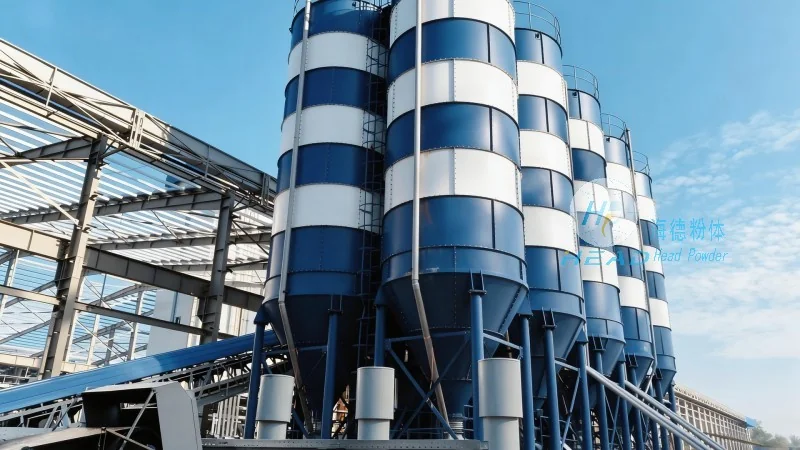
Introduction to the Calcium Hydroxide Powder Pneumatic Conveying System
The calcium hydroxide powder pneumatic conveying system is a specialized equipment designed to transport calcium hydroxide powder from storage or processing areas to the point of use. Unlike traditional methods such as belt or screw conveyors, pneumatic conveying uses air or other gas as the conveying medium, which allows for enclosed, dust-free transport. This system is particularly advantageous for calcium hydroxide due to its fine particle size and potential for dust generation during manual handling.
Key Components and Their Functions
The calcium hydroxide powder pneumatic conveying system comprises several critical components that work in tandem to ensure efficient material transport. These components include:
- Feeder: The feeder is responsible for introducing the calcium hydroxide powder into the system at a controlled rate. It ensures a consistent flow of material into the conveying line, preventing overloading or underfeeding that could disrupt the system's performance.
- Conveying Line: The conveying line is the primary pathway for the powder and air mixture. Typically constructed from stainless steel or high-quality plastic, it must withstand the pressure and temperature conditions of the system. The line may include bends, elbows, and other fittings that are designed to minimize pressure loss and maintain smooth flow.
- Blower or Fan: The blower or fan provides the necessary air pressure and flow rate to move the powder through the conveying line. The selection of the blower depends on the system's capacity, the characteristics of the calcium hydroxide powder (such as particle size and density), and the required conveying distance. High-efficiency blowers are often used to optimize energy consumption.
- Separator: The separator is positioned at the end of the conveying line and is responsible for separating the calcium hydroxide powder from the air. It typically consists of a cyclone or bag filter that captures the powder and returns it to the process or storage area while allowing the air to be discharged or recirculated.
- Dust Collector (Optional): In applications where strict environmental regulations apply, a dust collector may be added to the system. This component further cleans the air by capturing any residual dust particles, ensuring compliance with air quality standards and preventing dust emissions into the environment.
Design Principles and Critical Considerations
The design of a calcium hydroxide powder pneumatic conveying system involves several key principles and considerations to ensure reliability, efficiency, and safety. These include:
1. Material Properties Analysis: The physical and chemical properties of calcium hydroxide powder are fundamental to system design. Factors such as particle size distribution, bulk density, moisture content, and flowability directly impact the system's performance. For instance, finer particles may require higher air velocities to prevent settling or blockages, while higher moisture content can affect the powder's cohesion and may necessitate additional drying steps before conveying.

2. System Capacity and Throughput: The system's capacity, measured in terms of the amount of powder conveyed per hour, is determined by the process requirements. The blower's capacity, the size of the conveying line, and the feeder's output are all adjusted to meet the desired throughput. Proper sizing ensures that the system operates within its optimal range, avoiding excessive pressure drops or energy waste.
3. Air Pressure and Velocity Optimization: The air pressure and velocity within the conveying line are critical for efficient powder transport. The velocity must be sufficient to keep the powder suspended but not so high as to cause excessive wear on system components or excessive energy consumption. Typical air velocities for fine powders like calcium hydroxide range from 20 to 30 meters per second. The pressure drop along the conveying line is also carefully calculated to ensure that the blower can maintain the required pressure.
4. System Layout and Piping Design: The layout of the conveying system, including the length of the line and the number of bends, significantly affects the overall pressure drop and efficiency. Proper design of the piping, with appropriate elbow radii and smooth transitions, minimizes pressure losses and ensures consistent flow. The system may also include vertical and horizontal sections, with vertical lifts requiring higher air velocities to counteract gravity.

5. Safety and Environmental Compliance: The system must be designed with safety as a top priority. This includes features such as explosion-proof components if the powder is flammable or has the potential to create dust explosions, proper ventilation to prevent dust accumulation, and emergency shutdown mechanisms. Environmental considerations may also require the use of dust collectors or other emission control devices to meet regulatory standards.
Operational Advantages of the System
The calcium hydroxide powder pneumatic conveying system offers several operational advantages over traditional handling methods. These benefits include:
- Enhanced Product Quality: By preventing dust generation and caking during transport, the system helps maintain the purity and quality of the calcium hydroxide powder. This is particularly important in applications where the powder is used in sensitive processes, such as water treatment or food production.
- Improved Workplace Safety: The enclosed system design minimizes exposure to dust and other hazards, reducing the risk of respiratory issues or other health problems for workers. This also helps in maintaining a cleaner and more hygienic work environment.
- Reduced Labor Costs: The system automates the powder handling process, reducing the need for manual labor and minimizing the risk of accidents associated with handling fine powders.
- Space Efficiency: Pneumatic conveying systems can be designed to fit into tight spaces, making them suitable for facilities with limited floor space or where traditional conveyors may not be feasible.
- Flexibility and Scalability: The system can be easily scaled up or down to accommodate changes in production capacity. It can also be integrated with other process equipment, providing flexibility in plant layout and operation.
Applications in Various Industries
The calcium hydroxide powder pneumatic conveying system is utilized in a wide range of industries where calcium hydroxide is a key component. These applications include:
- Water Treatment: Calcium hydroxide is widely used in water treatment processes to adjust pH levels and remove impurities such as heavy metals and phosphates. The pneumatic conveying system ensures efficient delivery of the powder to the treatment plants, maintaining consistent water quality.
- Construction and Building Materials: In the production of cement, plaster, and other building materials, calcium hydroxide is used as a raw material. The system facilitates the transport of the powder from storage silos to production lines, improving process efficiency and reducing material handling time.
- Food and Beverage Industry: Calcium hydroxide is used as a food additive or for pH adjustment in some food products. The system provides a hygienic and safe method for handling the powder, ensuring compliance with food safety regulations.
- Chemical Manufacturing: Calcium hydroxide is used in various chemical processes, including the production of lime, calcium salts, and other chemical intermediates. The pneumatic conveying system ensures reliable transport of the powder to reactors and other processing equipment.
- Environmental Remediation: In environmental applications, calcium hydroxide is used for soil remediation and neutralization of acidic soils. The system enables the efficient distribution of the powder to treatment sites, contributing to effective environmental management.
Conclusion
The calcium hydroxide powder pneumatic conveying system is a critical technology for industries that rely on calcium hydroxide. By integrating advanced design principles and components, these systems provide efficient, safe, and reliable powder handling solutions. Shandong HeadPowder Engineering Co., Ltd., with its expertise in pneumatic conveying systems, offers customized solutions tailored to the specific needs of various industrial applications. Proper design, installation, and maintenance of the system ensure optimal performance, contributing to improved productivity, product quality, and workplace safety. As industries continue to demand more efficient and sustainable material handling solutions, the calcium hydroxide powder pneumatic conveying system remains a vital component in modern industrial processes.