

What is a Baking Flour Pneumatic Conveying System? What Are Its Design Principles?
Welcome to Shandong HeadPowder Engineering Co., Ltd., a leading manufacturer specializing in advanced pneumatic conveying solutions for the food industry. Our company, often referred to as HeadPowder, is dedicated to providing efficient and reliable equipment for transporting fine powders like baking flour. This article explores the fundamental aspects of baking flour pneumatic conveying systems, including their design principles and practical applications.
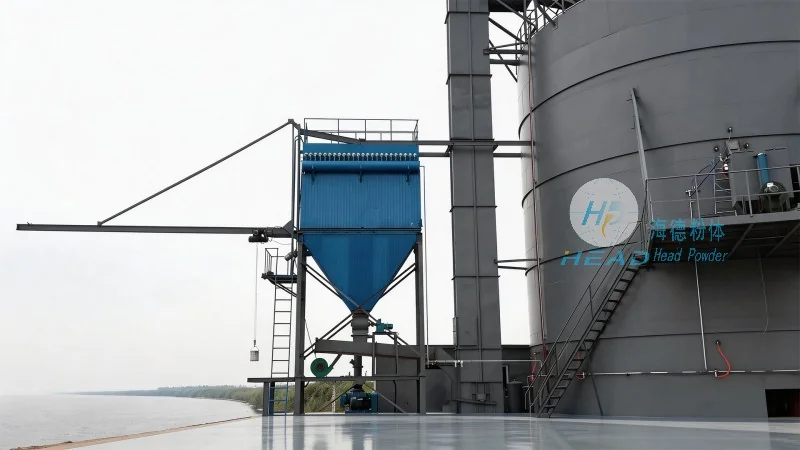
Understanding Baking Flour Pneumatic Conveying Systems
A pneumatic conveying system is a method of transporting bulk materials, such as baking flour, through a pipeline using compressed air or other gases. This technology offers several advantages over traditional mechanical conveying methods, including reduced contamination risk, improved product quality, and enhanced operational flexibility. For bakeries and food processing facilities, the ability to handle delicate and sensitive powders like flour without degradation is crucial. Our systems are engineered to meet these demands, ensuring that the quality of the final product is preserved throughout the conveying process.
Key Design Principles of Baking Flour Pneumatic Conveying Systems
The design of a pneumatic conveying system for baking flour involves several critical principles that ensure optimal performance and efficiency. First, the system must be capable of handling the specific characteristics of flour, including its fine particle size, low bulk density, and potential for static charge buildup. To address these challenges, our systems incorporate specialized components such as positive displacement blowers, cyclone separators, and static eliminators. The selection of the right type of conveyor—whether it's a pressure or vacuum system—depends on the specific application and the distance the flour needs to be transported. For example, pressure systems are ideal for short to medium distances, while vacuum systems are better suited for longer runs or when material needs to be drawn from multiple sources.

Another essential design principle is the consideration of material flow and pressure drop. The system must maintain sufficient air velocity to keep the flour particles suspended and prevent clogging. This requires precise control of air pressure and flow rate, which is achieved through the use of variable frequency drives (VFDs) and pressure sensors. Additionally, the pipeline design, including the use of smooth, corrosion-resistant materials and appropriate bends and elbows, is critical to minimize pressure losses and ensure consistent flow. Our engineers carefully calculate these parameters to create a system that operates efficiently and reliably, even with varying flour loads.
Components and Functionality of Baking Flour Pneumatic Conveying Systems
At the core of our pneumatic conveying systems are several key components that work together to ensure smooth and efficient operation. The system typically starts with a hopper or feeder that stores and meters the flour into the pipeline. This component is designed to prevent material bridging and ensure a consistent flow rate. Next, the material is introduced into the pipeline by a blower or compressor, which generates the necessary air pressure to move the flour. The type of blower used—such as a positive displacement blower or a centrifugal fan—depends on the system's requirements, including the required pressure and flow rate.

As the flour travels through the pipeline, it may encounter various components designed to maintain flow and prevent issues. For instance, cyclone separators are used to separate the flour from the air stream, allowing the air to be recycled back to the blower while the flour is collected in a receiving bin. These separators are critical for maintaining the efficiency of the system and preventing material buildup in the pipeline. Additionally, static eliminators are often included to prevent static charge buildup, which can cause flour particles to stick to the pipeline walls and lead to blockages. By addressing these factors, our systems ensure that the flour is conveyed without degradation and with minimal loss.

Applications and Benefits of Baking Flour Pneumatic Conveying Systems
Baking flour pneumatic conveying systems are widely used in various applications within the food industry. From small-scale bakeries to large industrial facilities, these systems are essential for transporting flour from storage to processing areas, such as mixers and ovens. The benefits of using pneumatic conveying for flour are numerous. First, it eliminates the need for manual handling, reducing the risk of contamination and improving workplace safety. Second, it maintains the quality of the flour by preventing exposure to moisture, air, and other contaminants. Third, it offers flexibility in terms of layout, allowing for easy integration into existing production lines. Our systems are designed to be adaptable to different production environments, ensuring that they can be customized to meet the specific needs of each customer.
In conclusion, a baking flour pneumatic conveying system is a sophisticated piece of equipment that combines advanced engineering with practical design to efficiently transport delicate powders. By understanding the key principles and components of these systems, food processing facilities can make informed decisions about implementing this technology. At Shandong HeadPowder Engineering Co., Ltd., we are committed to providing high-quality pneumatic conveying solutions that meet the demands of the modern food industry, ensuring that our customers can achieve optimal performance and product quality.