

What is a PUR Pneumatic Conveying Equipment? What are its Design Principles?
Understanding PUR Pneumatic Conveying Equipment and Its Design Principles

Introduction to PUR Pneumatic Conveying Equipment
PUR (Polyurethane Resin) pneumatic conveying equipment is a specialized system designed to transport bulk materials, such as powders and granules, through a pressurized air stream. This technology is widely used in various industries, including food processing, pharmaceuticals, and chemical manufacturing, due to its efficiency and ability to handle delicate or sensitive materials without contamination. The equipment operates by using compressed air to move materials from a source to a destination, often through a network of pipes and components that ensure smooth and controlled transport.
About Shandong HeadPowder Engineering Co., Ltd.
HeadPowder, or Shandong HeadPowder Engineering Co., Ltd., is a leading manufacturer and supplier of pneumatic conveying systems. With headquarters in Shandong, China, the company specializes in designing, manufacturing, and installing customized solutions tailored to the specific needs of its clients. HeadPowder's expertise lies in developing robust and reliable PUR pneumatic conveying equipment that meets international standards and industry requirements.
Key Components of a PUR Pneumatic Conveying System
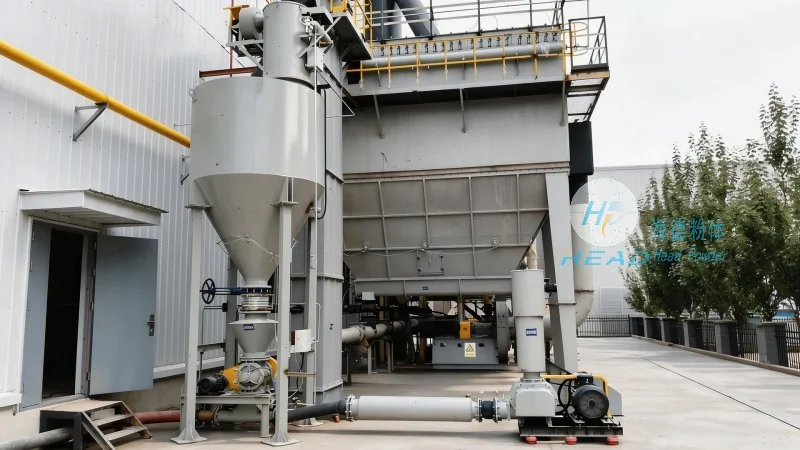
A typical PUR pneumatic conveying system consists of several critical components that work in harmony to ensure effective material transport. These components include:
- Material Hopper: A container that holds the bulk material to be conveyed. The hopper is designed to feed material into the system at a controlled rate, preventing blockages and ensuring consistent flow.
- Air Compressor: Provides the necessary pressure and volume of air to move the material through the system. The compressor is typically equipped with a filter and dryer to maintain air quality and prevent moisture-related issues.
- Pneumatic Conveying Pipe: A network of pipes that transport the material-air mixture from the hopper to the destination. The pipe system is often made of durable materials like stainless steel or polyurethane to withstand the abrasive nature of the conveyed materials.
- Material Separation and Collection: Components such as cyclones or filters that separate the material from the air stream and collect it in a designated container. This step is crucial for maintaining material purity and preventing dust emissions.
- Control System: An automated system that monitors and controls the operation of the conveying equipment. The control system ensures optimal performance, energy efficiency, and safety by regulating air pressure, material flow, and system alarms.
Design Principles of PUR Pneumatic Conveying Equipment
The design of a PUR pneumatic conveying system is based on several fundamental principles that ensure its effectiveness and reliability. These principles include:

1. Air Velocity and Pressure: The system is designed to operate at specific air velocities and pressures that are sufficient to entrain the material particles and maintain their suspension in the air stream. The air velocity must be high enough to overcome the gravitational forces acting on the particles but not so high as to cause excessive wear on the system components.
2. Material Properties: The design takes into account the physical and chemical properties of the conveyed material, such as particle size, density, moisture content, and abrasiveness. These properties influence the selection of the air compressor, pipe diameter, and separation equipment to ensure efficient and safe transport.
3. System Layout and Flow Path: The layout of the conveying system is carefully planned to minimize the number of bends, changes in direction, and vertical lifts, as these can cause material degradation or system blockages. The flow path is optimized to maintain consistent air and material velocities, reducing the risk of material deposition or clogging.
4. Material Handling and Containment: The design incorporates features to handle and contain the material safely, such as sealed hoppers and collection containers, to prevent dust emissions and cross-contamination. The system is also designed to comply with relevant safety and environmental regulations.
Advantages of PUR Pneumatic Conveying Equipment
PUR pneumatic conveying equipment offers several advantages over traditional material handling methods, including:
- Efficiency and Speed: The system can transport materials over long distances and at high speeds, reducing processing time and increasing productivity.
- Low Maintenance: Compared to mechanical conveying systems, pneumatic systems have fewer moving parts, resulting in lower maintenance costs and longer service life.
- Versatility: The equipment can handle a wide range of materials, from fine powders to coarse granules, and can be adapted to different applications and industries.
- Cleanliness and Hygiene: The enclosed system prevents dust and contamination, making it suitable for use in food, pharmaceutical, and other sensitive industries.
- Energy Efficiency: Modern pneumatic conveying systems are designed to be energy-efficient, with features such as variable speed drives and optimized air flow that reduce energy consumption.
Applications of PUR Pneumatic Conveying Equipment
PUR pneumatic conveying equipment is used in a variety of applications across different industries. Some common applications include:
- Food and Beverage Industry: Transporting ingredients like flour, sugar, and spices, as well as finished products like snacks and beverages.
- Pharmaceutical Industry: Handling active pharmaceutical ingredients (APIs), excipients, and other sensitive materials in a sterile and controlled environment.
- Chemical Industry: Conveying chemicals, pigments, and other industrial materials, often requiring specialized equipment to handle hazardous or corrosive substances.
- Plastics and Rubber Industry: Transporting raw materials like polymers, fillers, and additives for manufacturing processes.
- Mineral and Mining Industry: Conveying bulk materials like ores, coal, and minerals from processing plants to storage or transportation facilities.
Conclusion
PUR pneumatic conveying equipment is a sophisticated and efficient solution for transporting bulk materials in various industries. The design principles and components of these systems are carefully engineered to ensure reliable operation, material integrity, and environmental compliance. With its advantages in speed, versatility, and cleanliness, PUR pneumatic conveying equipment continues to be a preferred choice for material handling applications. Shandong HeadPowder Engineering Co., Ltd. remains a trusted partner in providing high-quality PUR pneumatic conveying systems that meet the evolving needs of modern industries.