

What is the Pneumatic Conveying of Calcium Carbonate Stone Powder? An Introduction to the Working Pr
For industrial applications involving the transport of calcium carbonate stone powder, pneumatic conveying systems offer an efficient and reliable method. This article provides an overview of how such systems operate, focusing on the key components and processes involved in moving fine powders like calcium carbonate from one location to another.

Key Components of a Pneumatic Conveying System
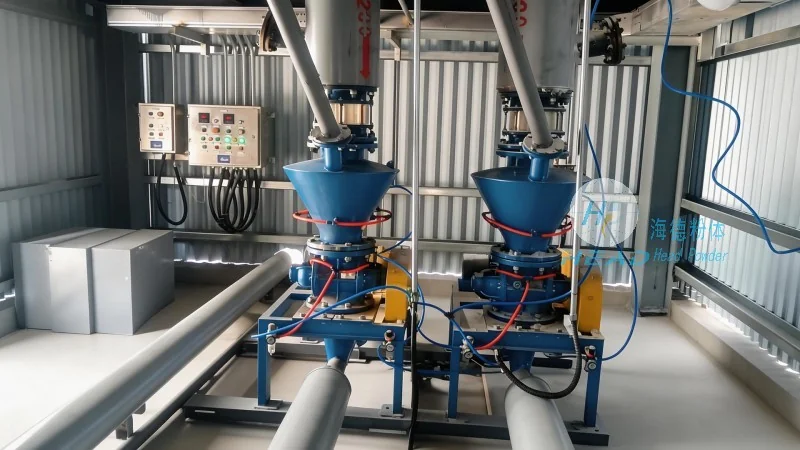
The core components of a pneumatic conveying system for calcium carbonate stone powder typically include a material hopper, a feeder, a conveying line, a separator, and a receiver. The material hopper stores the calcium carbonate powder, ensuring a consistent supply. The feeder regulates the flow of powder into the conveying line, which can be either positive pressure or negative pressure systems. The conveying line transports the powder using air or gas, while the separator separates the powder from the air stream, often using cyclones or filters. Finally, the receiver collects the conveyed powder for subsequent use.

How Pneumatic Conveying Works with Calcium Carbonate Stone Powder
In a positive pressure system, air is blown into the conveying line, creating a pressure higher than the ambient air. The calcium carbonate powder is then drawn into the line and transported to the destination. This method is suitable for long-distance or high-volume transport. Conversely, a negative pressure system draws air and powder into the line using a vacuum, which is often used for shorter distances or when the powder needs to be collected from multiple points.
Benefits of Using Pneumatic Conveying for Calcium Carbonate Stone Powder
Pneumatic conveying systems offer several advantages when handling calcium carbonate stone powder. These include the ability to transport powders in a closed system, minimizing dust emissions and contamination. The process is also relatively gentle on the powder, preserving its quality and preventing agglomeration. Additionally, these systems can handle varying particle sizes and flow rates, making them versatile for different industrial applications. The automation and control features of modern systems enhance operational efficiency and reduce labor costs.
Applications in Industrial Settings
Calcium carbonate stone powder is widely used in various industries, including paper, plastics, and coatings. Pneumatic conveying systems are essential for moving this material efficiently within manufacturing facilities. For example, in the paper industry, calcium carbonate is used as a filler and coating, and pneumatic conveying ensures it is delivered to the production lines without dust or quality loss. In the plastics industry, the powder is used as a reinforcement, and the conveying system maintains its purity and consistency for processing.

About Shandong HeadPowder Engineering Co., Ltd.
Shandong HeadPowder Engineering Co., Ltd., commonly known as HeadPowder, is a leading provider of specialized powder handling solutions. With operations based in Shandong, China, the company focuses on developing and manufacturing efficient pneumatic conveying systems tailored to the needs of industries handling fine powders like calcium carbonate stone powder. HeadPowder's expertise lies in designing systems that optimize material transport, reduce downtime, and improve overall operational performance for its clients.