

Components of Lithium Carbonate Pneumatic Conveying Systems
Understanding the components of lithium carbonate pneumatic conveying systems is crucial for optimizing material handling efficiency in industrial applications. This article provides a detailed overview of the key elements that constitute such systems, emphasizing the technical aspects and functional roles of each component.
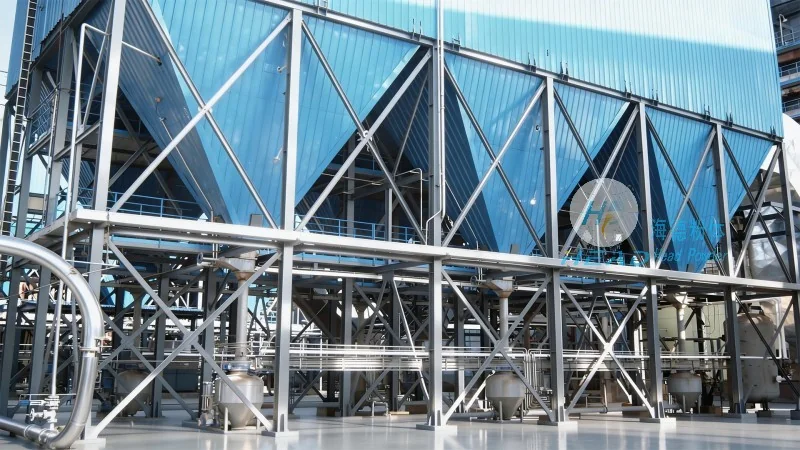
Introduction to Lithium Carbonate Pneumatic Conveying Systems
Lithium carbonate pneumatic conveying systems are specialized setups designed to transport lithium carbonate powder through a network of pipes using air or other gas as the conveying medium. These systems are widely used in the chemical and pharmaceutical industries due to their ability to handle fine powders with minimal product degradation. The effectiveness of these systems largely depends on the integration and proper functioning of several critical components.
Core Components of Lithium Carbonate Pneumatic Conveying
The primary components of a lithium carbonate pneumatic conveying system typically include the material feed system, the conveying line, the air supply unit, and the control mechanisms. Each of these components plays a vital role in ensuring the smooth and efficient transfer of lithium carbonate powder from the source to the destination.
Material Feed System
The material feed system is the starting point of the conveying process. It involves devices such as hoppers, feeders, and rotary valves that are responsible for feeding the lithium carbonate powder into the conveying line. The hopper serves as a storage container, while the feeder regulates the flow rate of the material. The rotary valve acts as a gate to control the discharge of the powder into the pipeline, preventing backflow and ensuring a consistent feed rate. For lithium carbonate, which is a fine powder, the feed system must be designed to minimize particle segregation and maintain a uniform flow.

Conveying Line and Pipeline Infrastructure
The conveying line consists of a network of pipes that transport the lithium carbonate powder along with the conveying air. The choice of pipe material is critical, as it must be resistant to corrosion and compatible with the chemical properties of lithium carbonate. Common materials include stainless steel, polyethylene, or PVC, depending on the specific application requirements. The pipeline design includes bends, elbows, and straight sections, each serving a specific purpose in directing the flow of the powder-air mixture. Properly sized and configured pipelines are essential to maintain the desired velocity and pressure within the system, preventing blockages and ensuring efficient transport.
Air Supply Unit and Pressure Regulation
The air supply unit is responsible for generating the necessary airflow to move the lithium carbonate powder through the conveying line. This unit typically includes a blower or a compressor that provides the required pressure and volume of air. The air is then filtered to remove any contaminants that could affect the quality of the lithium carbonate or damage the system components. Pressure regulation devices, such as regulators and valves, are used to control the pressure within the system, ensuring it remains within the optimal range for conveying the powder. Proper air management is crucial to prevent excessive energy consumption and to maintain the integrity of the material being transported.
Control and Monitoring Systems
Control and monitoring systems are essential for the safe and efficient operation of lithium carbonate pneumatic conveying systems. These systems include sensors, controllers, and alarms that monitor various parameters such as pressure, flow rate, and temperature. The sensors provide real-time data on the system's performance, allowing operators to detect any anomalies or issues promptly. The controllers adjust the system settings based on the feedback from the sensors, ensuring that the conveying process remains stable and efficient. Alarms are used to alert operators in case of any deviations from the normal operating conditions, such as pressure drops or flow interruptions. This proactive monitoring helps in preventing system failures and minimizing downtime.

Collection and Discharge Equipment
The collection and discharge equipment is the endpoint of the conveying process. It includes devices such as cyclones, filters, and discharge hoppers that are responsible for separating the lithium carbonate powder from the conveying air and collecting it in the desired location. The cyclone separator uses centrifugal force to separate the powder from the air, while the filter removes any remaining fine particles. The discharge hopper collects the separated powder and may include a discharge valve to control the release of the material. Proper design of the collection equipment is important to prevent dust emissions and to ensure that the powder is collected in a clean and efficient manner.
Maintenance and Safety Considerations
Maintenance and safety are critical aspects of operating lithium carbonate pneumatic conveying systems. Regular maintenance is required to ensure the longevity and reliability of the system components. This includes cleaning the pipes, replacing worn-out parts, and checking the performance of the air supply unit. Safety considerations include the use of explosion-proof equipment in areas where there is a risk of dust accumulation, proper ventilation to prevent dust buildup, and the implementation of safety protocols to protect operators from potential hazards. By adhering to these maintenance and safety practices, the system can operate efficiently and safely for extended periods.
Conclusion
In summary, lithium carbonate pneumatic conveying systems consist of several interrelated components that work together to transport the material efficiently and safely. The key components include the material feed system, conveying line, air supply unit, control systems, and collection equipment. Each component must be properly designed and maintained to ensure the optimal performance of the system. By understanding the role of each component and implementing best practices for operation and maintenance, industrial facilities can achieve high levels of efficiency and reliability in handling lithium carbonate powder.