

Classification and Application Analysis of Magnesium Silicate Pneumatic Conveying Systems
For industrial operations involving the handling of magnesium silicate materials, the selection of an appropriate pneumatic conveying system is crucial for efficiency, safety, and cost-effectiveness. Magnesium silicate, a versatile inorganic compound widely used in various industries such as construction, ceramics, and pharmaceuticals, presents unique challenges during material transport due to its fine particle size and hygroscopic properties. This article provides a comprehensive classification of magnesium silicate pneumatic conveying systems and analyzes their practical applications, offering insights into how these systems enhance operational performance while meeting industry standards.
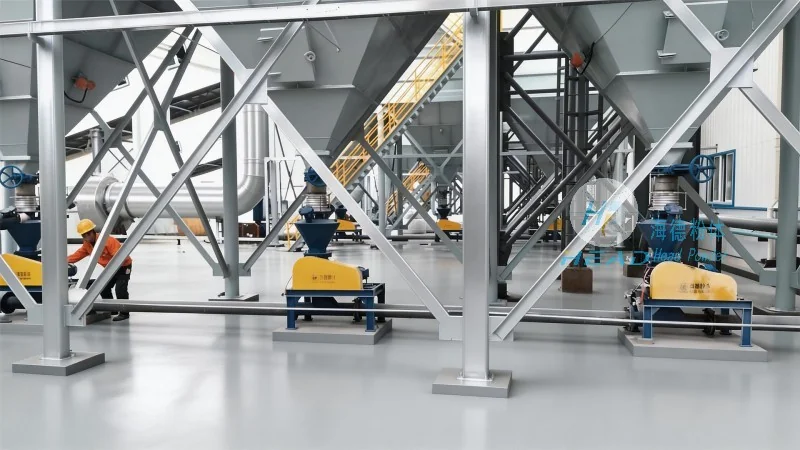
Classification of Magnesium Silicate Pneumatic Conveying Systems
Magnesium silicate pneumatic conveying systems can be broadly categorized based on the pressure and flow characteristics they employ. The primary classifications include low-pressure, medium-pressure, and high-pressure systems, each tailored to specific material handling requirements and operational conditions.
Low-pressure pneumatic conveying systems operate at pressures typically ranging from 0.5 to 2 bar. These systems are suitable for conveying materials with low to moderate flow rates and are commonly used for short to medium-distance transport. They are often employed in applications where the material is relatively dry and free-flowing, such as in the initial stages of material processing. The low-pressure systems typically use suction or venturi-based designs, which are energy-efficient and easy to maintain. However, they may have limitations in handling highly cohesive or fine powders, as the low velocity of the air stream can lead to particle agglomeration and blockages.
Medium-pressure pneumatic conveying systems operate at pressures between 2 and 10 bar. These systems are designed for higher flow rates and longer transport distances compared to low-pressure systems. They are ideal for handling a wider range of materials, including those with higher moisture content or more cohesive properties. The medium-pressure systems often utilize positive displacement blowers or rotary lobe pumps to generate the necessary airflow, ensuring consistent material transport. This classification is particularly useful in applications where the material needs to be conveyed over distances of several hundred meters while maintaining a stable flow rate. The medium-pressure systems offer better control over particle velocity and can handle more challenging material characteristics, making them a popular choice in industrial settings.

High-pressure pneumatic conveying systems operate at pressures exceeding 10 bar. These systems are used for high-capacity transport over long distances, often in bulk material handling applications. They are capable of conveying materials with high flow rates and can handle materials that are difficult to transport due to their fine particle size or tendency to form dust clouds. High-pressure systems typically use positive displacement compressors to generate the required pressure, ensuring efficient material movement. The high-pressure classification is particularly relevant in large-scale industrial operations, such as in the mining and chemical industries, where the volume of material to be transported is substantial. These systems are designed to minimize pressure drop and maintain a consistent flow, even when dealing with abrasive or corrosive materials. The high-pressure pneumatic conveying systems provide robust performance and are often preferred in applications where reliability and durability are paramount.
Application Analysis of Magnesium Silicate Pneumatic Conveying Systems
The application of magnesium silicate pneumatic conveying systems varies across different industries, depending on the specific properties of the material and the operational requirements. In the construction industry, for example, magnesium silicate is used as a raw material in the production of insulation boards and fire-resistant materials. The pneumatic conveying systems are employed to transport the fine powder from storage silos to processing units, ensuring a continuous and controlled supply of material. This application requires systems that can handle the hygroscopic nature of the material, as moisture can affect the quality of the final product. The selection of a low-pressure or medium-pressure system depends on the distance between the storage and processing areas, with low-pressure systems suitable for shorter distances and medium-pressure systems for longer transport.
In the ceramics industry, magnesium silicate is used as a flux or a raw material in the manufacturing of ceramic products. The pneumatic conveying systems are crucial for transporting the powder from grinding mills to mixing and shaping equipment. The systems must be capable of handling the fine particles and maintaining a consistent flow to ensure uniform material composition. The medium-pressure systems are often preferred in this application due to their ability to handle higher flow rates and longer distances, which is essential for large-scale ceramic production. The use of these systems improves the efficiency of the production process by reducing downtime and minimizing material loss.

In the pharmaceutical industry, magnesium silicate is used as an excipient in the formulation of tablets and capsules. The pneumatic conveying systems are employed to transport the powder from bulk storage to the manufacturing lines, ensuring a sterile and controlled environment. The systems must meet stringent hygiene and safety standards, as the material is used in drug production. The high-pressure systems are sometimes used in this application to maintain a sterile environment and prevent contamination. The selection of the appropriate system depends on the required flow rate and the distance between the storage and processing areas, with high-pressure systems suitable for longer distances and higher flow rates.
In the chemical industry, magnesium silicate is used as a filler or a catalyst in various chemical processes. The pneumatic conveying systems are used to transport the material from raw material storage to the reaction vessels. The systems must be capable of handling the abrasive nature of the material and maintaining a consistent flow rate to ensure efficient chemical reactions. The medium-pressure systems are often employed in this application due to their ability to handle abrasive materials and maintain a stable flow. The use of these systems improves the safety and efficiency of the chemical processes by reducing the risk of material spillage and ensuring a continuous supply of material.

About Shandong HeadPowder Engineering Co., Ltd.
Shandong HeadPowder Engineering Co., Ltd., operating under the brand name headpowder, is a leading manufacturer and supplier of advanced pneumatic conveying systems tailored for handling magnesium silicate and other fine powders. With a strong commitment to innovation and quality, the company specializes in designing and manufacturing customized solutions that meet the specific needs of various industries. HeadPowder's systems are engineered to optimize material transport efficiency, minimize energy consumption, and ensure compliance with industry standards and regulations.
The company's expertise lies in the development of both low-pressure and high-pressure pneumatic conveying systems, offering flexible solutions for different operational requirements. Their products are designed with robust components and advanced control systems, ensuring reliable performance and long service life. HeadPowder provides comprehensive technical support and after-sales services, including system installation, maintenance, and troubleshooting, to ensure customer satisfaction and operational continuity.
HeadPowder is headquartered in Shandong, China, and serves clients globally with a focus on delivering high-quality, cost-effective solutions for material handling challenges. The company's dedication to research and development ensures that their products remain at the forefront of technological advancements, providing customers with the best possible solutions for their pneumatic conveying needs.