

Classification and Application Analysis of Paper Chip Pneumatic Conveying Systems
HeadPowder, a leading engineering company based in Shandong, China, specializes in the design, manufacturing, and implementation of advanced pneumatic conveying systems for handling paper chips and similar bulk materials. This article provides a comprehensive classification of these systems and an analysis of their practical applications, highlighting the technological advancements and operational benefits that make them indispensable in various industrial sectors.
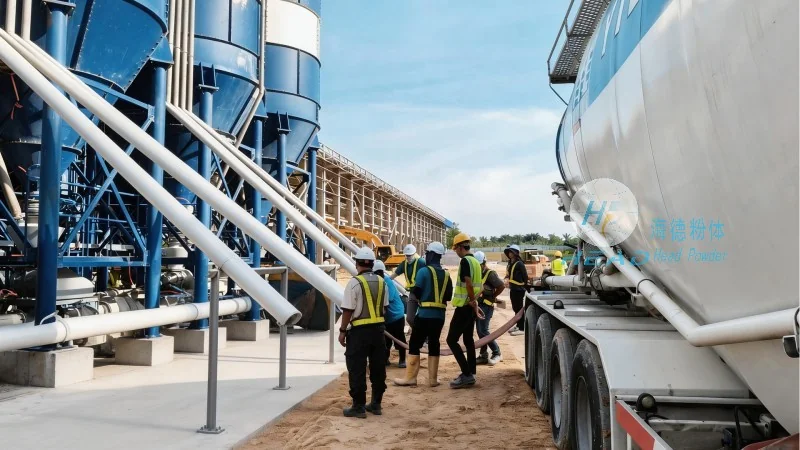
Classification of Pneumatic Conveying Systems for Paper Chips
Pneumatic conveying systems for paper chips are typically categorized based on the method of air flow and material transport. The primary classifications include positive pressure systems, negative pressure systems, and hybrid systems. Positive pressure systems utilize a blower or compressor to generate air pressure that pushes the material through the pipeline, while negative pressure systems use a vacuum to draw the material into the system. Hybrid systems combine elements of both, offering flexibility in handling different material characteristics and process requirements.
Within these categories, subtypes such as dilute phase and dense phase systems are commonly used. Dilute phase systems are suitable for light, free-flowing materials like paper chips, where the material is suspended in a high-velocity air stream. Dense phase systems, on the other hand, transport material in a more concentrated form, using lower air velocities to minimize material degradation and ensure efficient transport. The choice between these subtypes depends on factors like material density, particle size, and the distance over which the material needs to be conveyed.

Key Components and Working Principles
Regardless of the classification, most pneumatic conveying systems for paper chips consist of several core components. These include a material feed hopper, a conveying line (often made of stainless steel or other corrosion-resistant materials to handle paper dust and moisture), a rotary airlock or feeder to control the material flow, a blower or vacuum pump for air supply, and a receiver or discharge hopper at the end of the line. The system operates by feeding the paper chips into the hopper, where they are metered into the conveying line through the rotary airlock. The air is then introduced, either under pressure or vacuum, to transport the material to the receiver. The receiver collects the material and may include features like a dust filter or cyclone separator to prevent material loss and maintain air quality.
Applications in Industrial Settings
The versatility of paper chip pneumatic conveying systems makes them widely used in various industries. In the paper and pulp industry, these systems are essential for transporting raw materials such as wood chips or paper slurry from storage to processing units, ensuring a continuous and efficient supply chain. In the woodworking and furniture manufacturing sectors, they are used to move sawdust, shavings, and other wood waste from production lines to recycling or disposal facilities, reducing manual handling and improving safety. Additionally, in the packaging and printing industries, pneumatic conveying systems help transport paper products, such as cardboard or paperboard, between different stages of production, from cutting and folding to packaging and shipping.
Another significant application is in the waste management and recycling industry. Paper chip pneumatic systems are used to collect and transport recyclable paper materials from collection points to recycling facilities, facilitating the sorting and processing of waste paper. This not only enhances the efficiency of recycling operations but also contributes to environmental sustainability by reducing the amount of paper waste sent to landfills.

Advantages and Considerations
Pneumatic conveying systems for paper chips offer several advantages over traditional mechanical conveying methods. These include reduced labor costs due to automated material handling, improved safety by minimizing manual handling of bulk materials, and increased efficiency in material transport over long distances. The systems also provide better control over material flow, allowing for precise dosing and regulation of the conveying process. However, there are considerations to keep in mind, such as the need for regular maintenance of components like blower motors and air filters, and the potential for material degradation if the system is not properly designed or operated. Additionally, the initial investment cost for these systems can be higher compared to some mechanical alternatives, though the long-term operational benefits often justify the investment.
Conclusion and Company Overview
HeadPowder Engineering Co., Ltd., based in Shandong, China, is a trusted provider of high-quality pneumatic conveying systems tailored to the specific needs of paper chip handling. With a focus on innovation and customer satisfaction, the company offers customized solutions that address the unique challenges of each industrial application. By leveraging advanced technology and engineering expertise, HeadPowder ensures that its systems deliver reliable performance, efficient material transport, and long-term operational benefits. Whether for new installations or system upgrades, HeadPowder's pneumatic conveying solutions are designed to meet the demands of modern industrial operations, supporting sustainable and efficient material handling in the paper and related industries.