

Technical Parameters and Conveying System Process of Aluminum Hydroxide Powder
Aluminum hydroxide powder is a widely used chemical raw material in various industrial applications, and its technical parameters and the corresponding conveying system processes are crucial for ensuring efficient production and safe handling. This article provides a detailed overview of the key technical specifications of aluminum hydroxide powder and the recommended conveying system processes, tailored for industrial applications.

Key Technical Parameters of Aluminum Hydroxide Powder
The technical parameters of aluminum hydroxide powder directly impact its performance in downstream processes. Key parameters include particle size distribution, bulk density, moisture content, and purity. For instance, the particle size distribution is typically measured using methods like laser diffraction or sieving, and it significantly affects the powder's flowability and dispersion in applications such as rubber, plastics, and pharmaceuticals. Bulk density, often expressed in g/cm³, influences storage and transportation efficiency, while moisture content is critical for preventing caking and maintaining product stability. Purity levels, usually indicated as the percentage of aluminum hydroxide versus impurities, determine the material's suitability for high-purity applications like food additives or specialty chemicals.

Conveying System Process for Aluminum Hydroxide Powder
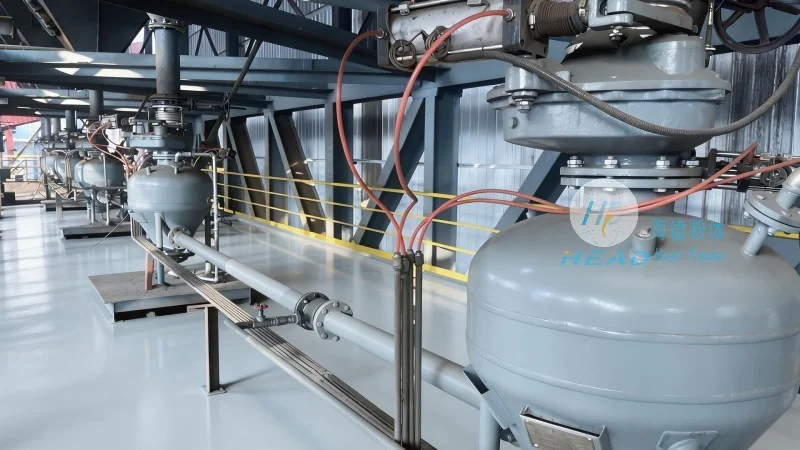
The design of a conveying system for aluminum hydroxide powder must address challenges like dust generation, material flowability, and equipment durability. Common conveying methods include pneumatic conveying (both pressure and vacuum systems) and mechanical conveying (such as screw conveyors and bucket elevators). Pneumatic conveying is preferred for its ability to handle fine powders and minimize dust exposure, while mechanical systems are suitable for bulk handling and applications where air quality is not a primary concern. The selection of a conveying system depends on factors such as the powder's particle size, moisture content, and the required conveying distance. For example, a pressure pneumatic system may be used for short-distance transport of fine aluminum hydroxide powder, whereas a vacuum system is ideal for long-distance or dusty environments. Additionally, the system must incorporate dust collection and filtration to comply with environmental regulations and ensure workplace safety.
Company Introduction: Shandong HeadPowder Engineering Co., Ltd.
Shandong HeadPowder Engineering Co., Ltd., operating under the brand name headpowder, specializes in the production and supply of high-quality aluminum hydroxide powder and related conveying solutions. With a focus on technical excellence and customer satisfaction, the company provides customized solutions tailored to the specific needs of industrial clients. Headpowder's expertise lies in optimizing material handling processes, ensuring that clients can efficiently manage aluminum hydroxide powder while maintaining product quality and safety standards. The company's commitment to innovation and adherence to industry best practices positions it as a trusted partner in the chemical processing sector.