

Positive Pressure and Negative Pressure Conveying of Cement Raw Materials: A Comparative Analysis of
HeadPowder, a leading engineering company based in Shandong, China, specializes in the design and implementation of advanced material handling solutions. In the cement industry, the efficient and reliable transport of raw materials is crucial for maintaining production efficiency and quality. Two primary pneumatic conveying methods are widely used: positive pressure conveying and negative pressure conveying. This article provides a detailed comparison of these two approaches, highlighting their operational principles, advantages, disadvantages, and practical applications.

Understanding Pneumatic Conveying Methods
Pneumatic conveying is a technology that uses air to transport bulk materials through a pipeline system. It offers several advantages over traditional mechanical conveying, such as reduced equipment wear, lower maintenance costs, and the ability to handle a wide range of materials, including powders and granules. The two main types of pneumatic conveying are positive pressure and negative pressure systems, each with distinct characteristics and suitability for different scenarios.
Positive Pressure Conveying
Positive pressure conveying, also known as pressure pneumatic conveying, operates by blowing air into the conveying line at a pressure higher than the ambient air pressure. The material is fed into the system and is carried by the high-pressure air stream. This method is particularly effective for conveying materials over long distances or through complex piping networks. The high pressure ensures that the material is continuously propelled forward, minimizing the risk of blockages and ensuring consistent flow rates.
Key advantages of positive pressure conveying include its ability to handle high material loads, its suitability for long-distance transport, and its effectiveness in conveying abrasive or corrosive materials. The system can operate at pressures ranging from low to high, depending on the distance and material characteristics. However, it also has notable disadvantages. The high-pressure air requirement increases energy consumption, and the system can be more complex to install and maintain. Additionally, positive pressure conveying may require more robust equipment to withstand the higher pressures, which can increase initial capital costs.

Negative Pressure Conveying
Negative pressure conveying, or vacuum pneumatic conveying, works by creating a vacuum in the conveying line, drawing material from the source into the system. The material is then transported to the destination by the suction created by the vacuum. This method is often preferred for short to medium-distance transport and for handling materials that are sensitive to pressure changes or that need to be conveyed from a higher elevation to a lower one.
One of the main advantages of negative pressure conveying is its lower energy consumption compared to positive pressure systems, as it primarily relies on suction rather than high-pressure air. It is also generally less complex and less expensive to install and maintain. The system is well-suited for handling fine powders and materials that are prone to dust generation, as the vacuum helps to contain and control the material flow. However, negative pressure conveying has its limitations. It is less effective for long-distance transport due to the potential for pressure drop and material settling in the line. Additionally, the system may be more susceptible to blockages if the material is highly cohesive or contains large particles.
Comparative Analysis: Positive vs. Negative Pressure Conveying
When selecting between positive and negative pressure conveying for cement raw materials, several factors must be considered. The primary considerations include the distance of material transport, the material characteristics (such as particle size, moisture content, and abrasiveness), and the available energy resources. For long-distance or high-volume transport over several kilometers, positive pressure conveying is often the preferred choice due to its ability to maintain consistent flow rates and handle high material loads. Conversely, for shorter distances or when handling fine, sensitive materials, negative pressure conveying may be more appropriate due to its lower energy consumption and simpler design.
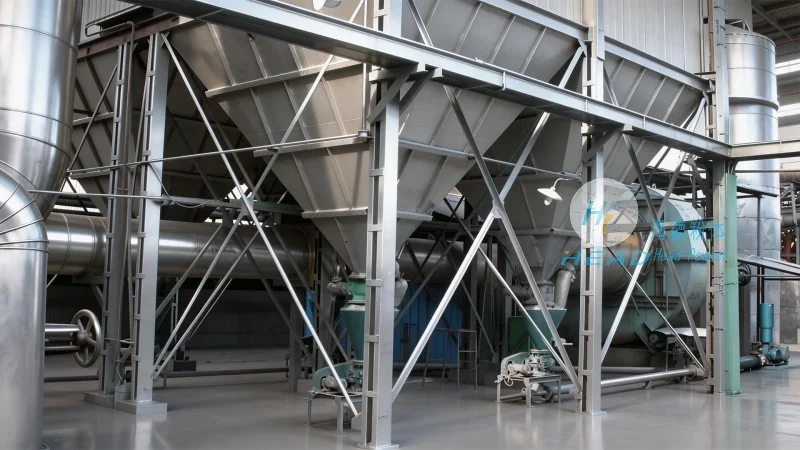
Another critical factor is the impact on material quality. Positive pressure systems can sometimes cause more particle attrition or degradation due to the high-velocity air stream, which may affect the final product quality. Negative pressure systems, by contrast, tend to be gentler on the material, preserving its integrity. However, negative pressure systems may generate more dust and require additional filtration to comply with environmental regulations.
Application Examples in Cement Industry
Positive pressure conveying is commonly used in large-scale cement plants for transporting raw materials such as limestone, clay, and iron ore from storage silos to the grinding mills. The high-pressure air ensures that these materials are conveyed efficiently over long distances without significant loss or degradation. For example, a cement plant in Shandong, China, utilizes a positive pressure system to transport limestone from a quarry located 10 kilometers away, achieving a consistent flow rate of 100 tons per hour.

Negative pressure conveying is often employed in smaller cement facilities or for handling fine raw materials like gypsum or fly ash. It is particularly useful for conveying materials from a higher elevation to a lower one, such as from a silo on a hill to a processing unit at ground level. A negative pressure system in a regional cement plant in Shandong handles gypsum from a local mine, transporting it over a distance of 2 kilometers with minimal material loss and low energy consumption.
Conclusion
Both positive pressure and negative pressure pneumatic conveying methods offer viable solutions for transporting cement raw materials, each with its own set of advantages and limitations. The choice between the two depends on specific operational requirements, material characteristics, and economic considerations. By understanding the operational principles and performance characteristics of each system, cement plant operators can select the most appropriate conveying method to optimize production efficiency, reduce costs, and ensure product quality.
HeadPowder Engineering Co., Ltd., with its headquarters in Shandong, China, provides comprehensive engineering services, including the design, installation, and maintenance of pneumatic conveying systems tailored to the unique needs of cement manufacturers. Our expertise in both positive and negative pressure conveying ensures that we can deliver customized solutions that enhance the overall performance and reliability of material handling processes in the cement industry.