

Analysis of Air-Driven Transport Technology for Wet Ammonium Nitrate: Comparison of Positive and Neg
Wet ammonium nitrate, a critical raw material in the fertilizer industry, requires efficient and reliable transport methods to ensure safe and economical handling. Air-driven transport technology has emerged as a prominent solution for moving this material, particularly in scenarios where traditional methods like trucks or conveyor belts may be less suitable. This article provides an in-depth analysis of air-driven transport technology for wet ammonium nitrate, focusing on the comparison between positive and negative pressure modes. The discussion is anchored by the expertise of Shandong HeadPowder Engineering Co., Ltd., a leading provider in the field, with the company's operational base in Shandong, China.

Company Profile: HeadPowder Engineering
Shandong HeadPowder Engineering Co., Ltd., commonly known as HeadPowder, is a specialized engineering firm dedicated to the design, manufacturing, and implementation of air-driven transport systems. With a strong presence in Shandong, China, the company leverages decades of industry experience to deliver tailored solutions for clients in the chemical and fertilizer sectors. HeadPowder's commitment to innovation and safety ensures that their air-driven transport technologies meet the highest standards, making them a trusted partner for handling wet ammonium nitrate and other bulk materials.
Positive Pressure Mode in Air-Driven Transport
The positive pressure mode, also known as pressure air transport, operates by generating a high-pressure air stream that propels the material through a pipeline. In this system, the air is compressed and forced into the pipeline, creating a pressure differential that moves the wet ammonium nitrate from the source to the destination. This mode is particularly effective when the transport distance is long or when the material needs to be moved against gravity. The positive pressure system typically uses a blower or compressor to maintain the necessary pressure, ensuring a consistent flow rate. For wet ammonium nitrate, which can be prone to caking or agglomeration, the positive pressure mode helps maintain the material's flowability by continuously agitating it with the air stream. HeadPowder's expertise in designing positive pressure systems includes optimizing blower capacity, pipeline diameter, and air velocity to achieve efficient transport with minimal energy consumption. The company's engineers consider factors such as the moisture content of the wet ammonium nitrate, the required throughput, and the distance to be covered when configuring the system. This ensures that the positive pressure mode operates at peak efficiency, reducing operational costs and enhancing safety by minimizing the risk of material blockages.

Negative Pressure Mode in Air-Driven Transport
Conversely, the negative pressure mode, or suction air transport, relies on creating a vacuum or low-pressure environment in the pipeline to draw the material from the source. This system uses a fan or vacuum pump to create a pressure difference, with the material being pulled through the pipeline by the air flow. The negative pressure mode is often preferred for shorter transport distances or when the material needs to be moved from a higher elevation to a lower one. It is also suitable for applications where the material is sensitive to high pressure or where noise and vibration need to be minimized. In the context of wet ammonium nitrate, the negative pressure mode can help maintain the material's integrity by reducing the impact of high air velocities on its structure. HeadPowder's negative pressure systems are designed with careful attention to the vacuum level, pipeline length, and material characteristics. The company's engineers ensure that the suction rate is sufficient to prevent clogging while maintaining the material's flowability. The negative pressure mode is particularly effective when the source and destination are at different elevations, as the vacuum helps overcome the gravitational resistance. However, it may require more energy to maintain the vacuum compared to the positive pressure mode, especially over longer distances. HeadPowder's solutions for negative pressure transport include advanced fan technologies and efficient pipeline designs that balance performance and energy efficiency.
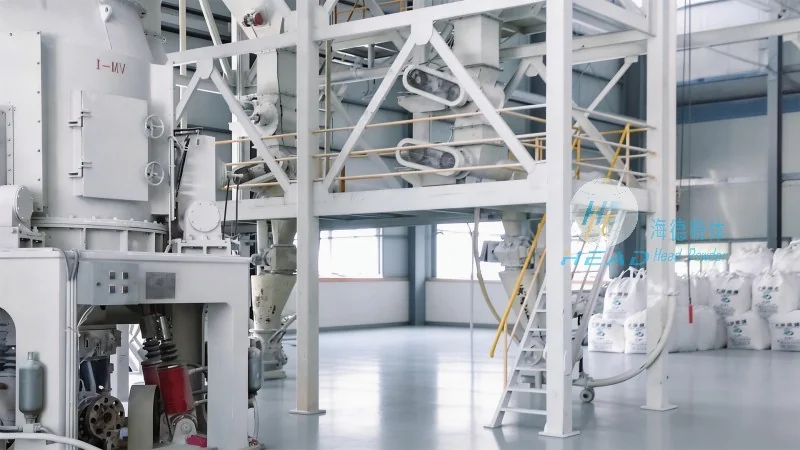
Comparison and Selection Criteria
When choosing between positive and negative pressure modes for air-driven transport of wet ammonium nitrate, several factors must be considered. The primary determinant is the transport distance and the elevation difference between the source and destination. For long distances or when moving material uphill, the positive pressure mode is generally more efficient as it can maintain a consistent pressure and flow rate. Conversely, for shorter distances or downhill transport, the negative pressure mode may be more suitable due to its lower energy requirements and reduced noise levels. The moisture content of the wet ammonium nitrate also plays a crucial role. Higher moisture levels can increase the material's tendency to clog, making the positive pressure mode, with its continuous agitation, more advantageous. However, if the material is very dry or prone to dust, the negative pressure mode might be preferred to avoid dust generation. Operational costs, including energy consumption and maintenance, are another key consideration. Positive pressure systems typically require more energy to run the blower, while negative pressure systems may need more frequent maintenance of the vacuum pump. HeadPowder's engineers provide comprehensive assessments to help clients select the optimal mode based on their specific operational needs. The company's expertise in both positive and negative pressure systems allows for tailored solutions that maximize efficiency, safety, and cost-effectiveness. By considering factors such as distance, elevation, material properties, and operational constraints, HeadPowder ensures that the chosen air-driven transport mode is the most suitable for the wet ammonium nitrate application.
Conclusion and Practical Implications
In conclusion, air-driven transport technology offers a robust and flexible solution for handling wet ammonium nitrate, with both positive and negative pressure modes providing distinct advantages. The positive pressure mode excels in long-distance and uphill transport, maintaining material flowability through continuous agitation, while the negative pressure mode is ideal for shorter distances and downhill movement, offering lower energy consumption and reduced noise. The choice between the two modes depends on a combination of operational factors, including distance, elevation, material characteristics, and cost considerations. Shandong HeadPowder Engineering Co., Ltd. plays a pivotal role in this field, providing expert design, manufacturing, and implementation of air-driven transport systems. With their deep understanding of both positive and negative pressure technologies, HeadPowder helps clients optimize their wet ammonium nitrate transport processes, ensuring safety, efficiency, and cost-effectiveness. As the fertilizer industry continues to evolve, the adoption of advanced air-driven transport solutions will remain critical for the safe and economical handling of wet ammonium nitrate. HeadPowder's commitment to innovation and customer-centric solutions positions them as a leading provider in this domain, helping clients navigate the complexities of bulk material transport with confidence.