

Choosing Positive Pressure or Negative Pressure for PVC Pneumatic Conveying? How to Distinguish Them
When considering the most suitable method for transporting polyvinyl chloride (PVC) materials, the choice between positive pressure and negative pressure pneumatic conveying systems is a critical decision. Both approaches offer distinct advantages and are suited to different operational requirements. Understanding the fundamental differences between these two systems is essential for optimizing material handling efficiency and ensuring the integrity of PVC products. This guide, provided by Shandong HeadPowder Engineering Co., Ltd., a leading provider of pneumatic conveying solutions, aims to help industrial operators make an informed decision by exploring the key aspects of positive and negative pressure systems for PVC handling.

Understanding Positive Pressure Pneumatic Conveying
Positive pressure systems operate by generating air pressure within the conveying line, which forces material from the source to the destination. This method is particularly effective for transporting PVC in bulk, as it can handle a wide range of particle sizes and flow rates. The primary advantage of positive pressure is its ability to convey materials over longer distances and through complex piping configurations without significant pressure loss. Additionally, positive pressure systems are often preferred for applications where the material is sensitive to moisture or contamination, as the sealed system minimizes exposure to external elements.
In terms of operational efficiency, positive pressure systems typically require higher energy input compared to negative pressure systems due to the constant pressure generation. However, they offer better control over material flow and can handle higher volumes of PVC, making them ideal for large-scale industrial applications. The system's design also allows for easier integration with other processing equipment, such as mixers or extruders, enhancing overall production throughput.
Exploring Negative Pressure Pneumatic Conveying
Negative pressure systems, also known as vacuum conveying, work by creating a vacuum in the conveying line, which draws material from the source into the system. This approach is commonly used for transporting PVC from a hopper or silo to a processing unit, especially when the material needs to be moved over shorter distances or through relatively simple piping setups. The key benefit of negative pressure is its lower energy consumption, as it relies on the vacuum created by a fan or blower rather than maintaining constant pressure.

However, negative pressure systems have limitations, particularly when dealing with fine or dusty PVC particles. The vacuum can cause material to become airborne, leading to issues such as dust accumulation or clogging in the system. Additionally, the system's efficiency may decrease over longer distances or with larger particle sizes, as the vacuum pressure drops. For these reasons, negative pressure is often better suited for applications involving smaller volumes or less demanding material characteristics.
Distinguishing Between Positive and Negative Pressure Systems
Several factors can help determine whether a positive or negative pressure system is more appropriate for PVC pneumatic conveying. The first consideration is the distance and complexity of the conveying path. Positive pressure is generally preferred for longer or more complex routes, while negative pressure is suitable for shorter, simpler setups. The material's physical properties also play a role; for example, if the PVC is prone to dusting or has a tendency to clog, negative pressure may not be the best choice due to its lower control over particle flow.
Another critical factor is the operational environment and safety considerations. Positive pressure systems are often chosen in environments where dust control is paramount, as the sealed system prevents particles from escaping into the air. Negative pressure systems, while less energy-intensive, may require additional filtration to manage dust emissions, which can increase operational costs and complexity. The choice also depends on the available infrastructure and space constraints, as positive pressure systems may require more robust piping and pressure control equipment.
Key Considerations for Selecting the Right PVC Pneumatic Conveying System
When deciding between positive and negative pressure pneumatic conveying for PVC, it is essential to evaluate several key factors. The first is the specific application requirements, including the volume of material to be transported, the distance between the source and destination, and the nature of the PVC (e.g., granules, powders, or pellets). The system's efficiency and energy consumption are also critical, as both positive and negative pressure options have distinct trade-offs in terms of power usage and operational costs.
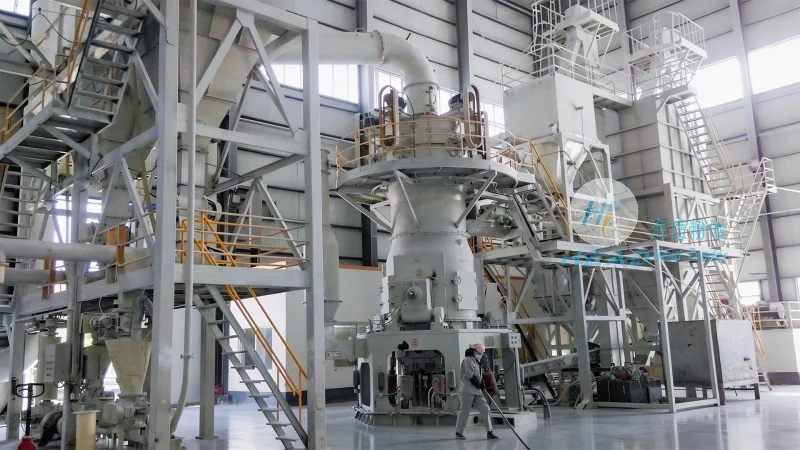
Material handling efficiency and product integrity are paramount in PVC processing. Positive pressure systems excel in maintaining product quality by minimizing exposure to contaminants and moisture, which is vital for applications where the PVC will be used in manufacturing or further processing. Negative pressure systems, while cost-effective for smaller operations, may compromise product quality if not properly managed, as dust and air contamination can affect the final product.
Additionally, the integration with existing equipment and the ease of maintenance should be considered. Positive pressure systems often require more maintenance due to the higher pressure components, but they offer greater flexibility in system design. Negative pressure systems, on the other hand, may be simpler to install and maintain, making them a viable option for smaller-scale operations or where space is limited.
Conclusion: Making an Informed Decision for PVC Pneumatic Conveying
Choosing between positive pressure and negative pressure pneumatic conveying for PVC requires a thorough assessment of operational needs, material characteristics, and environmental factors. Both systems have their unique advantages and limitations, and the optimal choice depends on the specific requirements of the application. By understanding the fundamental differences between these two approaches and evaluating key factors such as distance, material properties, and operational efficiency, industrial operators can select the most suitable system to ensure efficient and reliable PVC handling.