

[Ceramic Particle Conveying: Positive Pressure vs. Negative Pressure - How to Differentiate?]
Ceramic particle conveying is a critical process in various industrial applications, particularly in the manufacturing of ceramics, where the efficient and reliable transport of raw materials or finished products is essential. The choice between positive pressure and negative pressure conveying systems can significantly impact operational efficiency, system performance, and overall cost-effectiveness. Understanding the fundamental differences between these two approaches is crucial for selecting the most suitable solution for ceramic particle handling needs.
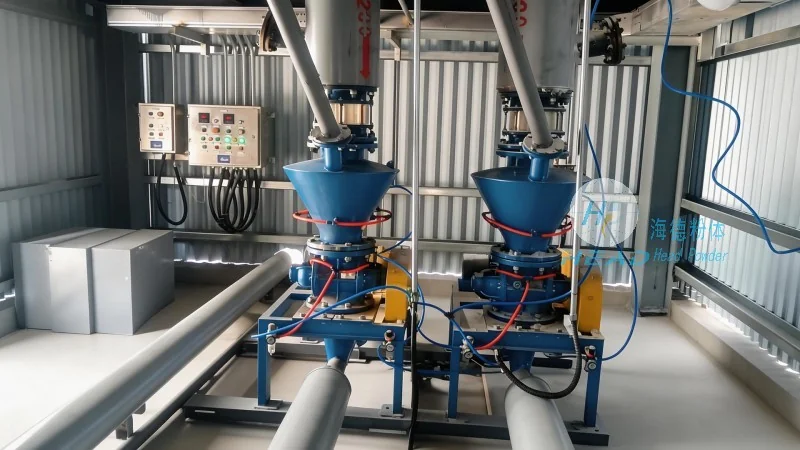
Understanding Ceramic Particle Conveying Systems: Positive vs. Negative Pressure
Conveying systems for ceramic particles rely on either positive pressure or negative pressure to move materials through a pipeline. Positive pressure systems operate by forcing air or a carrier gas through the material, while negative pressure systems draw material into the system using a vacuum. Each method has distinct characteristics that make it more or less suitable for specific applications.
Positive Pressure Conveying Systems: Principles and Applications
Positive pressure conveying, also known as pressure-fed or pneumatic conveying, uses a blower or compressor to generate a positive pressure within the pipeline. This pressure pushes the ceramic particles forward, typically through a series of pipes and valves. The system is commonly used for short to medium-distance conveying, handling dry, non-abrasive materials, and applications where the material needs to be transported under controlled conditions. The key advantage of positive pressure systems is their ability to handle abrasive or corrosive materials without excessive wear on components, as the material is not exposed to high-velocity air for extended periods. However, they may require more energy to maintain the pressure and can be less efficient for long-distance transport due to pressure drop and material segregation.

Negative Pressure Conveying Systems: Principles and Applications
Negative pressure conveying, or vacuum-fed systems, operate by creating a vacuum at the material source or inlet. This vacuum draws the ceramic particles into the pipeline, often using a suction nozzle or hopper. The system is ideal for applications requiring gentle handling of delicate or fine particles, as the material is not subjected to high velocities or impact forces. Negative pressure systems are commonly used for long-distance conveying, as the vacuum can maintain material flow over greater distances with less pressure drop compared to positive pressure systems. However, they may be less effective for handling highly abrasive or sticky materials, as the vacuum can cause material buildup or blockages in the system. Additionally, the vacuum can lead to higher energy consumption and increased maintenance requirements for the vacuum pump.
Key Differences Between Positive and Negative Pressure Conveying
When comparing positive and negative pressure conveying systems for ceramic particles, several factors stand out. Positive pressure systems are generally more suitable for short to medium distances, handling dry, non-abrasive materials, and applications where high material flow rates are required. They offer better control over material temperature and can be more efficient for handling abrasive materials. Negative pressure systems excel in long-distance conveying, gentle handling of delicate particles, and applications where the material source is remote or difficult to access. They are also more effective at preventing dust emissions at the source, as the vacuum draws material into the system rather than releasing it into the environment.

How to Distinguish and Select the Right System for Ceramic Particle Conveying
Selecting the appropriate conveying system for ceramic particles involves evaluating several critical factors. First, consider the material characteristics: the size, shape, moisture content, and abrasiveness of the ceramic particles will determine whether a positive or negative pressure system is more suitable. For example, fine, dry ceramic powders may be better suited to negative pressure systems to avoid particle segregation, while coarse, abrasive particles may require positive pressure systems to prevent blockages. Second, assess the conveying distance and required flow rate. Positive pressure systems are generally preferred for short to medium distances with high flow rates, while negative pressure systems are more effective for long-distance transport with lower flow rates. Third, evaluate the system's energy consumption and maintenance requirements. Positive pressure systems may require more energy to maintain pressure, but have lower maintenance costs for the blower compared to the vacuum pump in negative pressure systems. Finally, consider the overall cost and operational flexibility. Positive pressure systems are often more cost-effective for short-distance applications, while negative pressure systems may offer better long-term cost savings for extended transport needs.
Conclusion: Making an Informed Decision for Ceramic Particle Conveying
Choosing between positive pressure and negative pressure conveying systems for ceramic particles requires a thorough understanding of the material properties, operational requirements, and system constraints. By carefully evaluating the advantages and limitations of each approach, industrial operators can select the most efficient and reliable conveying solution. Whether opting for positive pressure to handle abrasive materials or negative pressure for long-distance transport, the key is to align the system design with the specific needs of the ceramic particle handling process. As a leading provider of engineering solutions for material handling, Shandong HeadPowder Engineering Co., Ltd. specializes in designing and implementing customized conveying systems that meet the unique demands of ceramic manufacturing applications, ensuring optimal performance and cost-effectiveness for clients across China.