

Choosing Between Positive Pressure and Negative Pressure for Colored Sand Conveying: How to Differen
When it comes to transporting colored sand, selecting the right conveying method is crucial for efficiency, cost-effectiveness, and operational safety. Two primary approaches dominate the industry: positive pressure conveying and negative pressure conveying. Understanding the distinctions between these two systems is essential for making an informed decision that aligns with specific operational needs. This article provides a detailed comparison of positive pressure and negative pressure conveying for colored sand, focusing on key factors such as system design, operational performance, and practical applications.

Understanding the Basics: Positive Pressure vs. Negative Pressure Conveying
Positive pressure conveying, also known as pressure-driven or forced-air conveying, operates by blowing air or gas under pressure into the material to be transported. The air stream propels the colored sand through the pipeline, ensuring a continuous flow. This method is typically more robust and suitable for longer distances or when dealing with abrasive or heavy materials. In contrast, negative pressure conveying, or suction conveying, relies on creating a vacuum or negative pressure within the system to draw the colored sand into the pipeline. The material is pulled along by the air flow, which moves in the opposite direction of the material movement.
Key Differences in System Design and Components
The fundamental difference in operation translates into distinct system designs. Positive pressure systems generally require more powerful blowers or compressors to generate the necessary pressure, which can increase energy consumption and equipment costs. These systems often include components like high-pressure blowers, air filters, and pressure regulators to maintain consistent airflow. Negative pressure systems, on the other hand, use vacuum pumps or fans to create the suction effect. They may incorporate cyclone separators or dust collectors to handle the air and material mixture, ensuring proper filtration and material separation.

Operational Performance and Efficiency Considerations
Operational performance varies significantly between the two methods. Positive pressure conveying tends to offer higher material throughput and can handle larger particle sizes more effectively, making it ideal for bulk material transport over extended distances. The continuous pressure ensures a steady flow, reducing the risk of material buildup or blockages. Negative pressure systems, while generally more energy-efficient for shorter distances, may experience lower material capacity and increased air consumption. They are often better suited for applications involving fine powders or where space constraints limit the use of high-pressure equipment.

Practical Applications and Industry Use Cases
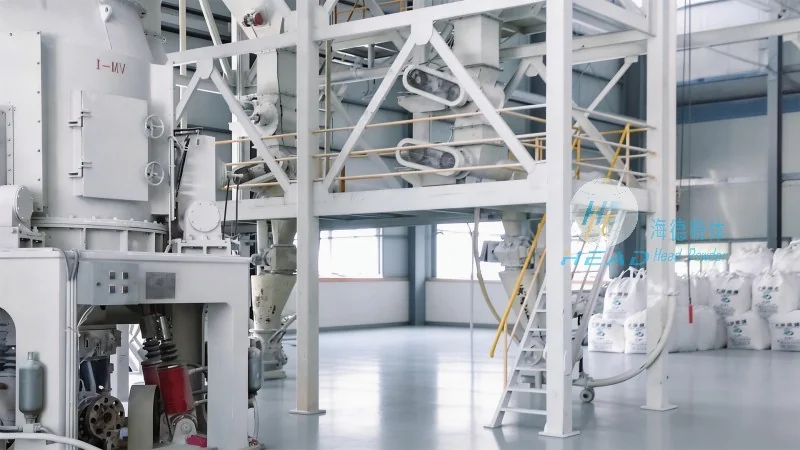
Positive pressure conveying is widely adopted in various industries, including construction and mining, where large volumes of colored sand are transported over long distances. For instance, companies like Shandong HeadPowder Engineering Co., Ltd., based in China, utilize positive pressure systems for bulk material handling in construction sites, ensuring efficient and reliable transport of colored sand. Negative pressure conveying, on the other hand, is preferred in applications requiring fine powder handling, such as in pharmaceutical or food processing industries. These systems are designed to maintain high air quality and prevent dust contamination, which is critical for product safety and regulatory compliance.
Factors to Consider When Choosing a Conveying System
Several key factors should guide the selection process between positive and negative pressure conveying for colored sand. First, the distance and layout of the conveying line are critical. Longer distances typically favor positive pressure due to its ability to maintain pressure over extended runs. Material characteristics, including particle size, density, and abrasiveness, also play a significant role. Heavier or more abrasive materials may require the higher pressure and robust design of positive pressure systems. Energy consumption and operational costs are another important consideration. While negative pressure systems may be more energy-efficient for short distances, the higher equipment costs and maintenance of positive pressure systems can offset these savings over time. Finally, environmental and safety regulations must be considered. Negative pressure systems often provide better dust control, making them suitable for applications where air quality is a concern.
Conclusion: Making the Right Choice for Colored Sand Conveying
Ultimately, the decision between positive pressure and negative pressure conveying for colored sand depends on a careful evaluation of operational requirements, material characteristics, and cost considerations. Positive pressure systems offer superior performance for long-distance and heavy material transport, while negative pressure systems excel in energy efficiency and fine material handling. By understanding the fundamental differences in system design, operational performance, and practical applications, businesses can select the most appropriate conveying method to enhance productivity, reduce costs, and ensure safe and efficient material transport. Whether choosing positive or negative pressure, the goal is to achieve optimal performance tailored to the specific needs of the colored sand conveying operation.