

Preventing Dust Leakage in Polyacrylamide Conveying via Air-Driven Systems
Conveying polyacrylamide (PAM) efficiently while maintaining safety and environmental standards is a critical challenge in industrial applications. PAM, a water-soluble polymer widely used in water treatment, mining, and paper manufacturing, poses unique handling difficulties due to its fine powder form and hygroscopic nature. Traditional methods like manual handling or low-pressure pneumatic systems often lead to dust leakage, which not only compromises workplace safety but also impacts operational efficiency and compliance with environmental regulations. This article explores effective strategies to prevent dust leakage when using air-driven conveying systems for PAM transport, highlighting best practices and industry solutions.
The Role of Air-Driven Conveying Systems
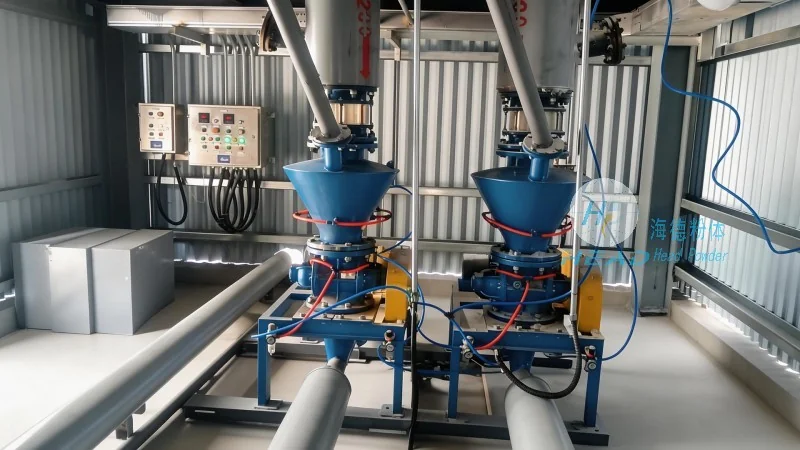
Air-driven conveying systems, also known as pneumatic conveyors, offer a reliable solution for transporting PAM by utilizing compressed air to move material through a sealed pipeline. Unlike traditional bulk handling methods, these systems minimize direct human contact with the material, reducing the risk of dust exposure. The headpowder team at Shandong HeadPowder Engineering Co., Ltd. specializes in designing and implementing advanced pneumatic conveying solutions tailored to the specific needs of PAM handling. Their expertise ensures that systems are optimized for both performance and safety, addressing the unique challenges of PAM's physical properties.
Common Dust Leakage Issues in PAM Handling
Despite the benefits of air-driven systems, dust leakage remains a common issue in PAM conveying. Several factors contribute to this problem, including inadequate sealing of transfer points, improper air pressure management, and the use of low-quality components. Dust leakage can occur at critical junctions such as hoppers, rotary valves, and discharge points, where the material transitions between different stages of the conveying process. Additionally, the hygroscopic nature of PAM means it can absorb moisture from the air, leading to clumping and increased dust generation during transport. These issues not only create health hazards for workers but also result in material loss and increased maintenance costs for the facility.

Key Strategies to Prevent Dust Leakage
To effectively prevent dust leakage in PAM conveying systems, several key strategies are essential. First, ensuring proper sealing at all transfer points is critical. This involves using high-quality rotary valves with tight seals and maintaining consistent air pressure to prevent material backflow. The headpowder engineers at Shandong HeadPowder Engineering Co., Ltd. recommend using double-seal rotary valves and positive pressure systems to maintain a controlled environment within the conveyor. Second, regular maintenance and inspection of components are crucial. This includes checking for wear and tear on seals, filters, and pipelines, and replacing them as needed. The company’s maintenance services ensure that systems operate at peak efficiency, minimizing the risk of dust leakage over time. Third, implementing proper housekeeping and dust control measures is vital. This includes using local exhaust ventilation systems and dust collection equipment to capture any airborne particles. The headpowder team emphasizes the importance of a comprehensive approach to dust control, combining engineering solutions with operational best practices.

Company Profile: Shandong HeadPowder Engineering Co., Ltd.
Shandong HeadPowder Engineering Co., Ltd., operating under the brand name headpowder, is a leading provider of specialized engineering solutions for powder handling and material transport. With headquarters in Shandong, China, the company has extensive experience in designing and manufacturing air-driven conveying systems tailored to the needs of various industries, including water treatment, mining, and paper manufacturing. Headpowder’s team of experts combines technical expertise with practical experience to deliver customized solutions that address the unique challenges of PAM and other fine powders. The company’s commitment to quality, safety, and efficiency has made it a trusted partner for businesses seeking reliable and sustainable material handling solutions.
Conclusion
Preventing dust leakage in PAM conveying systems requires a combination of advanced engineering, proper maintenance, and operational best practices. By implementing the strategies outlined above, businesses can ensure safe and efficient transport of PAM while minimizing environmental impact and operational costs. The headpowder team at Shandong HeadPowder Engineering Co., Ltd. is dedicated to providing innovative solutions that meet these needs, helping industries achieve their goals with confidence and reliability.