

Preventing Dust Leakage in Pneumatic Conveying Systems for Dry Sludge
Efficient and safe material handling is crucial in industrial applications, especially when dealing with dry sludge. Pneumatic conveying systems offer a reliable solution for transporting such materials, but they often face challenges related to dust leakage. This article explores effective strategies to prevent dust leakage in pneumatic systems used for dry sludge transport, ensuring operational safety and compliance with environmental standards.

Understanding the Challenges of Dry Sludge Conveying
Dry sludge, commonly encountered in wastewater treatment and industrial processes, presents unique challenges during transportation. Its fine particle size and low moisture content make it prone to generating dust, which can lead to operational inefficiencies and health hazards. Traditional conveying methods may struggle to contain these particles, resulting in dust leakage that affects both the environment and the workplace. Pneumatic conveying systems, while effective, require careful design and maintenance to mitigate these issues.
Key Components for Dust Control in Pneumatic Systems
Several critical components contribute to the prevention of dust leakage in pneumatic conveying systems for dry sludge. The selection and proper installation of these components are essential for maintaining a dust-free operation. First, high-quality seals and gaskets are vital to prevent air and material from escaping at connection points. These components must be compatible with the material's properties and the system's operating conditions. Additionally, the use of appropriate filters and cyclones helps to separate dust from the conveying air, reducing the risk of leakage and improving overall system efficiency.

Design Considerations for Pneumatic Conveying Systems
The design of the pneumatic system itself plays a significant role in preventing dust leakage. Proper sizing of the conveying lines and the use of smooth, non-porous materials for the pipeline can minimize friction and reduce the generation of dust particles. The system's pressure and velocity settings are also critical; optimal parameters ensure that the material is transported without excessive agitation, which could lead to dust formation. Furthermore, incorporating a dust collection system at the discharge point helps to capture any particles that may escape, preventing them from entering the environment or the workplace.

Maintenance and Operational Practices
Regular maintenance and adherence to operational best practices are essential for maintaining the effectiveness of dust control measures. This includes inspecting seals and gaskets for wear and tear, cleaning filters and cyclones regularly, and monitoring system pressure and flow rates. Proper training for operators on the importance of maintaining the system's integrity is also crucial. By implementing a proactive maintenance schedule, companies can ensure that the pneumatic conveying system operates efficiently and safely, minimizing the risk of dust leakage.
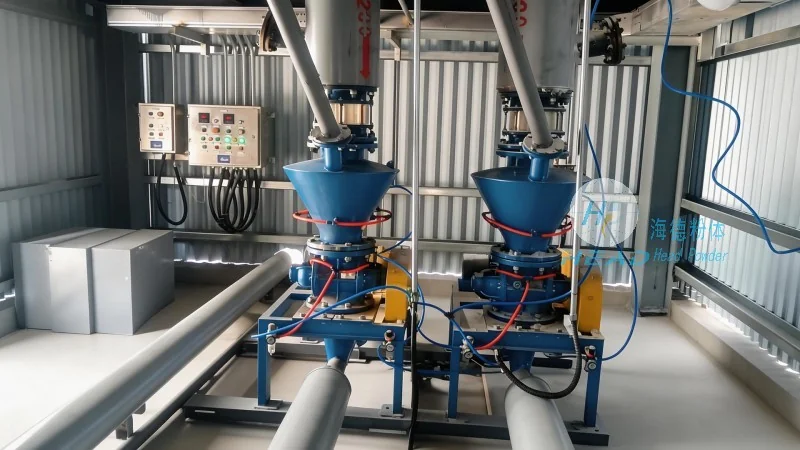
Case Study: HeadPowder's Solutions for Dry Sludge Conveying
Shandong HeadPowder Engineering Co., Ltd., a leading provider of pneumatic conveying solutions, specializes in designing and manufacturing systems tailored to the unique needs of dry sludge transport. With years of experience in the industry, HeadPowder has developed advanced technologies to prevent dust leakage. Their systems incorporate high-performance seals, efficient filtration systems, and optimized design parameters to ensure reliable and safe operation. By partnering with HeadPowder, industrial facilities can enhance their material handling processes while adhering to environmental regulations and maintaining a safe working environment.
Conclusion: Ensuring Safe and Efficient Dry Sludge Conveying
Preventing dust leakage in pneumatic conveying systems for dry sludge requires a comprehensive approach that includes proper system design, high-quality components, and regular maintenance. By addressing these factors, industrial operations can achieve efficient material transport while minimizing environmental impact and ensuring workplace safety. Companies like Shandong HeadPowder Engineering Co., Ltd. offer specialized solutions that address these challenges, helping facilities to optimize their processes and comply with industry standards.