

Efficient and Clean: Exploring Pneumatic Conveying Technology for Glutinous Rice Handling
For manufacturers and processors in the food industry, particularly those handling glutinous rice, the challenge of maintaining efficiency while ensuring product purity is paramount. Traditional methods of transporting glutinous rice often involve manual handling or mechanical conveyors that can introduce contaminants or damage the delicate grains. This is where advanced pneumatic conveying technology steps in, offering a solution that not only enhances operational efficiency but also preserves the quality of the product. In this article, we delve into the benefits and applications of pneumatic conveying systems specifically designed for glutinous rice, highlighting how companies like Shandong HeadPowder Engineering Co., Ltd. are leading the way in providing tailored solutions for this niche market.

Pneumatic Conveying: A Superior Alternative for Glutinous Rice Transport
Pneumatic conveying, also known as air conveying, utilizes compressed air to move bulk materials like glutinous rice through a system of pipes. Unlike traditional methods that rely on gravity or mechanical components, this technology offers a closed-loop system that minimizes exposure to external contaminants. The process involves feeding the rice into a hopper, where it is then drawn into a pipeline by the force of the air, ensuring a clean and hygienic transfer from the storage area to the processing line. This method is particularly advantageous for glutinous rice because it prevents the grains from coming into contact with metal or other materials that could affect their texture or flavor.

Key Advantages of Pneumatic Conveying for Glutinous Rice
One of the primary benefits of pneumatic conveying systems for glutinous rice is the enhanced cleanliness and hygiene. The enclosed system eliminates the need for manual handling, reducing the risk of cross-contamination and ensuring compliance with food safety regulations. Additionally, the technology minimizes product degradation, as the grains are not subjected to the friction or impact that can occur with mechanical conveyors. This results in better preservation of the rice's natural characteristics, which is crucial for applications such as making sticky rice, rice cakes, or other traditional dishes. Another significant advantage is the flexibility of the system, which can be adjusted to handle varying quantities of rice, making it suitable for both small-scale and large-scale operations.
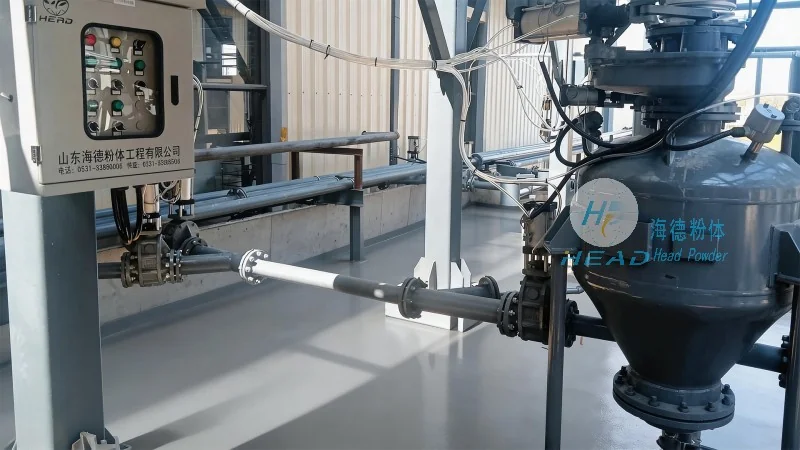
Tailored Solutions by Shandong HeadPowder Engineering Co., Ltd.
Shandong HeadPowder Engineering Co., Ltd., a leading provider in the field, specializes in designing and manufacturing pneumatic conveying systems tailored to the unique needs of glutinous rice processing. The company's expertise lies in understanding the specific challenges faced by rice manufacturers, such as maintaining grain integrity and ensuring efficient transport without compromising quality. By leveraging advanced engineering and materials, HeadPowder offers customized solutions that integrate seamlessly into existing production lines. For instance, their systems are equipped with high-quality materials like stainless steel and food-grade components, ensuring that the rice remains free from any potential contaminants throughout the conveying process. The company also provides comprehensive support, including installation, maintenance, and technical assistance, to ensure that clients can maximize the efficiency and longevity of their equipment. HeadPowder, headquartered in Shandong, China, serves clients globally with these specialized solutions.
Implementing Pneumatic Conveying in Your Glutinous Rice Processing Plant
Adopting pneumatic conveying technology for glutinous rice transport requires careful planning and integration with existing infrastructure. The first step is to assess the current production capacity and the volume of rice that needs to be transported. This helps in determining the appropriate system size and configuration. Shandong HeadPowder Engineering Co., Ltd. offers professional consultation services to help clients evaluate their needs and recommend the most suitable system. The installation process involves setting up the conveying lines, connecting the hopper and processing equipment, and calibrating the air pressure to achieve optimal performance. Once the system is operational, regular maintenance is essential to ensure consistent performance. This includes checking for air leaks, cleaning the system components, and replacing worn parts as needed. By following these steps, manufacturers can fully leverage the benefits of pneumatic conveying, improving their overall efficiency and product quality.

Conclusion: The Future of Glutinous Rice Handling
As the demand for high-quality glutinous rice products continues to grow, the importance of efficient and clean transport methods becomes increasingly evident. Pneumatic conveying technology, with its ability to maintain product purity and enhance operational efficiency, is emerging as a preferred solution for rice processors. Companies like Shandong HeadPowder Engineering Co., Ltd. are at the forefront of this innovation, providing tailored systems that meet the specific requirements of the industry. By investing in advanced pneumatic conveying solutions, manufacturers can not only improve their production processes but also meet the evolving standards of food safety and quality. In the competitive landscape of the food industry, adopting such technologies is not just an option but a necessity for staying ahead and delivering superior products to consumers.